
When Pain Becomes a Cycle
When pain keeps returning, even ordinary parts of life can become harder. Sleep may be interrupted, movement may feel uncertain, and work or favorite activities may fall away. If this is familiar, your frustration is understandable. Chronic pain is generally pain that lasts or recurs for more than three months, though each person’s experience is different (Cleveland Clinic’s overview of chronic pain).
Pain is personal, and it can feel isolating when others cannot see what you are experiencing. A scan or examination may not reveal a clear cause, but that does not make the pain less real. A careful assessment should consider how symptoms affect daily life, not just what appears on imaging (Mass General Brigham’s guide to chronic pain).
Physical changes, worry, disrupted sleep, and reduced activity can influence one another, sometimes reinforcing the experience of pain. At Lifespring Pain Management Center in Kaysville, care is tailored to the person and may combine non-surgical treatments with attention to function and individual needs. The goal is to help you work toward a more active life, without promising that pain will disappear.
Defining Chronic Pain and Its Causes
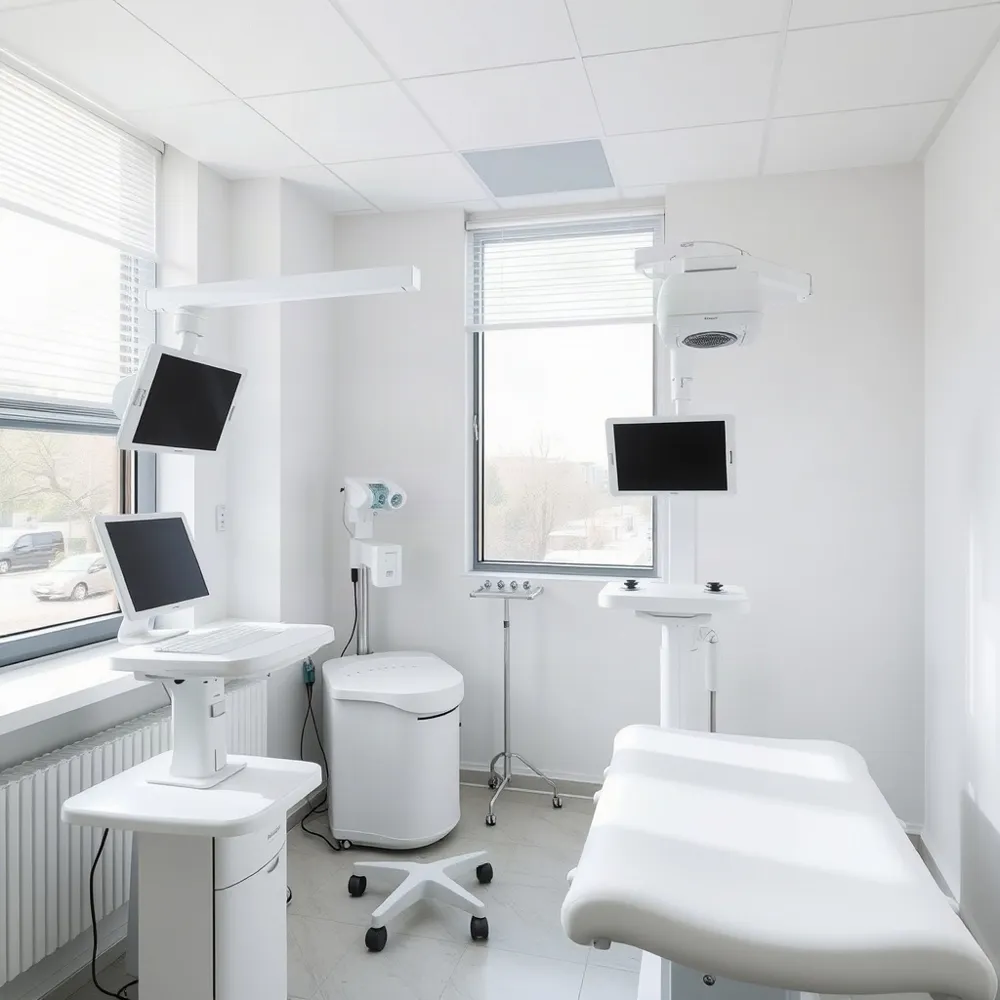 Chronic pain generally lasts beyond the usual healing period or keeps returning for more than three months. It may be steady or intermittent, and it can remain even after an injury has healed. Cleveland Clinic’s overview of chronic pain explains that pain may arise from several sources, and sometimes no direct physical cause can be identified.
Possible contributors include arthritis and other joint conditions, spinal problems such as some herniated discs or spinal stenosis, muscle strain, inflammation, and nerve irritation or damage. Chronic migraine and other persistent conditions can also cause ongoing pain. More than one factor may be involved, so the source is not always obvious.
Imaging findings need to be considered in context: a disc bulge or herniation does not necessarily cause pain or show how intense it should feel. A careful history and assessment can help clinicians explore possible causes, how symptoms affect daily life, and what care may be appropriate. At Lifespring Pain Management Center in Kaysville, Utah, accurate diagnosis is part of developing personalized, non-surgical care.
How Pain Changes Daily Life
Persistent pain can make everyday movement, work, self-care, and time with family or friends more difficult. Tasks that once felt routine may take extra effort, while pain may keep you from hobbies or other activities that give your life meaning.
Pain can also disrupt sleep and contribute to fatigue, stress, low mood, or difficulty concentrating. Poor sleep, less activity, and emotional strain may then make pain harder to manage. Chronic pain has sensory, emotional, cognitive, and behavioral dimensions, so its effects can reach beyond the painful area. That does not mean the pain is imagined or caused only by emotions. Research on chronic pain and brain function describes how these dimensions interact.
A respectful assessment makes room for the person’s experience, including what pain changes in daily life, even when tests do not show a clear cause. Mass General Brigham’s guidance on chronic pain emphasizes listening and acknowledging a patient’s struggles. At Lifespring Pain Management Center in Kaysville, careful assessment and a compassionate approach help clinicians consider how symptoms affect each person’s function and well-being.
The Nervous System and Persistent Pain
Pain signals travel from the body along nerves and through the spinal cord to the brain. The brain processes those signals alongside information about emotion, memory, and the surrounding situation, producing the experience of pain.
When pain persists, the nervous system may become more sensitive, so signals can feel stronger or continue after an injury has healed. This change in pain processing, sometimes called central sensitization, can help explain ongoing pain even when there is no obvious new injury. Research describes how persistent pain can involve lasting changes in the way the central nervous system responds to signals (a scientific review of chronic pain and brain changes).
Pain linked to tissue damage is often called nociceptive pain. Neuropathic pain involves dysfunction or damage in the nervous system itself. These mechanisms can overlap, and symptoms alone cannot establish which one is involved.
Because pain is shaped by brain processing and emotion, it can affect people differently. That does not make the pain imagined or less real. Lifespring Pain Management Center’s careful assessment and tailored, non-surgical treatment options reflect that individual differences matter. A clinician can consider your symptoms, history, and daily function when discussing possible causes and care.
How a Pain Cycle Can Take Hold
When movement seems likely to worsen your pain, it is understandable to avoid it. Yet less activity can reduce your strength and conditioning, disturb your sleep, and make ordinary tasks harder. Those changes may increase worry and make your pain feel more limiting, creating a cycle that can be difficult to break.
This pattern is not a personal failure. Persistent pain can involve physical changes, a more sensitive nervous system, emotional strain, and learned responses to pain. These factors may reinforce one another, even when the original injury has healed. Mass General Brigham explains how fear, reduced activity, and deconditioning can sustain a pain cycle.
Gradual, appropriate activity can help rebuild your strength and confidence. Temporary discomfort during movement does not automatically mean further damage, but the right pace and type of activity depend on your condition and abilities. At Lifespring Pain Management Center in Kaysville, care may include individualized treatment options such as injections or other non-surgical treatments alongside guidance suited to your needs.
A care plan may address several parts of the pattern, including pain education, posture and strengthening work, exercise, and sleep support. Mass General Brigham suggests 150–180 minutes of moderate-intensity exercise per week, but that general target is not appropriate for everyone without adjustment. Your clinician can help determine a safe starting point and how to progress.
A Multimodal Approach to Care
 Multimodal care brings together appropriate treatments instead of expecting one intervention to address every part of persistent pain. Depending on your diagnosis and goals, a plan may target symptoms and underlying conditions while also supporting movement, daily function, and emotional well-being. Research reviews describe this person-centered approach as a way to account for pain’s different physical and psychological dimensions (JAMA Network Open commentary).
Options may include medication when appropriate, physical or occupational therapy, guided exercise, psychological support, and lifestyle strategies such as improving sleep or managing stress. Some people may also discuss procedures or devices as part of broader care. At Lifespring Pain Management Center, clinicians offer non-surgical options including physical therapy guidance, injections, radiofrequency ablation, and spinal cord stimulation, selected according to a patient’s condition.
Treatment choices should reflect your health history, preferences, and the possible benefits, risks, and side effects of each option. Responses vary, and combining medicines can add risks, so medication decisions need careful discussion with a clinician. A review of multimodal treatment also stresses weighing potential benefit against side effects and tailoring combinations to the individual (review of multimodal chronic pain treatment).
A plan may take weeks or months to assess, and adjustments are a normal part of care. Progress can mean walking more comfortably, returning to valued activities, or sleeping better, even if pain does not disappear completely. Lifespring’s personalized approach considers function alongside symptoms, with the aim of improving quality of life while avoiding unnecessary reliance on medication or invasive surgery.
Non-Surgical Options to Discuss
 Non-surgical treatments may help manage some chronic pain conditions, but no option works for everyone. The right choice depends on the suspected pain source, your health, and what you hope to do more comfortably. At Lifespring Pain Management Center, care may include injections, radiofrequency ablation, spinal cord stimulation, and other options selected after an individual assessment.
An epidural steroid injection places medication near irritated spinal nerves, while a nerve block delivers medication around specific nerves to interrupt pain signals. Radiofrequency ablation uses heat to quiet selected nerves that carry pain signals. Spinal cord stimulation uses an implanted device to change how pain signals travel to the brain. Each approach has different uses, risks, and expected outcomes, so ask whether it fits your diagnosis and circumstances.
Physical therapy and guided movement can support strength, mobility, and daily function, and may complement a procedure or other treatment. Lifespring’s approach can also include platelet-rich plasma therapy for consideration in certain joint or tendon problems, and Botox for some people with chronic migraine. Evidence and suitability vary by condition, so discuss potential benefits, risks, and alternatives with a clinician rather than assuming a treatment is appropriate.
A useful conversation includes asking what a treatment is meant to address, what side effects or other risks may occur, and what alternatives are available. You can also agree on how to judge progress, such as changes in comfort, sleep, walking, or another activity that matters to you. Individualized chronic pain treatment may require adjustments over time, and a procedure is usually considered as part of a broader care plan.
Choosing and Adjusting a Care Plan
Choosing care starts with a clear picture of your pain: where it occurs, what it feels like, when it changes, and how it affects sleep, movement, work, and activities that matter to you. Your medical history and previous treatments also help guide the discussion. A clinician may recommend an examination or tests when they could clarify possible causes. Even when no single cause is found, your symptoms and their effect on daily life deserve attention.
At Lifespring Pain Management Center in Kaysville, Utah, board-certified physicians assess chronic pain conditions and offer non-surgical options such as injections, radiofrequency ablation, and spinal cord stimulation. Which, if any, may fit depends on your condition and individual circumstances.
Work with your clinician to compare suitable options, including movement or lifestyle support, medication, injections, and other procedures. Ask about possible benefits, risks, side effects, and how each approach fits your preferences and goals. A personalized chronic pain plan may combine treatments, and open discussion about what is or is not helping can shape the next steps.
Follow-up matters because a plan may need adjustment as symptoms and needs change. Seek medical advice if pain interferes with daily life, worsens or returns, disrupts sleep, or treatment causes troubling side effects. The aim is not to promise a cure, but to find workable ways to ease symptoms and support quality of life, even if pain does not fully go away.
Supporting Emotional Well-Being
Persistent pain can affect mood, sleep, relationships, and daily routines. Frustration, worry, low mood, or feeling isolated are understandable responses, not personal failures. You do not have to manage the emotional strain alone, and discussing it with a health care professional can help you find support that fits your needs.
Psychotherapy, including cognitive behavioral therapy (CBT), may help you work through pain-related thoughts and build coping skills. Mindfulness and brief, slow-breathing practices can offer a manageable way to settle tension. A UC Davis Health guide to coping with chronic pain also describes practicing coping skills regularly, rather than waiting until distress peaks.
Try pacing activities with breaks, keeping in touch with people you trust, and making space for enjoyable activities suited to your abilities. Small steps count. These practices can support well-being, but they do not replace clinical care. At Lifespring Pain Management Center, the heart-centered approach and careful assessment can help make room for your concerns as your care plan is discussed.
Tell your clinician if emotional distress is affecting daily life, sleep, or your ability to cope. If you feel at risk of harming yourself or are in immediate danger, call 911. In the United States, call or text 988 for crisis support.
Progress Can Begin With One Step
Change may take patience, and a care plan may need adjustments along the way. Progress does not have to mean pain has disappeared. Better sleep, more confidence with movement, or returning to an activity that matters to you can also be meaningful signs of improvement.
If persistent pain is affecting your daily life, talk with a healthcare professional about what you are experiencing and what you hope to do. A plan should reflect your health, needs, and goals, and may combine approaches rather than depend on one treatment. Chronic pain care often involves working with a provider to review options and adjust treatment over time.
At Lifespring Pain Management Center in Kaysville, Utah, board-certified physicians assess chronic pain and offer tailored non-surgical options, including injections and radiofrequency ablation. Seeking help is a constructive step. Care can address physical symptoms while recognizing how pain affects sleep, mood, movement, and the activities that give your life meaning.