Living with Pain in Ogden, Layton, and Salt Lake City
Chronic pain can make even simple daily tasks feel draining for adults across Northern Utah. Whether you live in Ogden, Layton, or Salt Lake City, the struggle of persistent back, neck, or joint pain is real and often isolating.
The good news is that a wide range of non-surgical pain management options are available locally. At clinics such as the University of Utah's Pain Management Center, care focuses on treating the whole person, not just the symptom.
Help is accessible without invasive surgery or heavy reliance on medication. This article explores the effective, evidence-based treatments available to help you regain mobility, comfort, and a better quality of life.
Recognizing When Pain Needs Professional Help
 Pain is a natural signal from your body, but there is a clear difference between temporary soreness and pain that takes over your life. Acute pain is short-term, often caused by an injury or surgery, and typically fades as the body heals. Chronic pain is persistent, lasting three months or longer, and may continue even after the original injury has healed. When pain moves from a temporary inconvenience to a constant companion, it may be time to seek professional help.
Unrelenting pain can affect every part of your life. It can disrupt your sleep, make simple daily tasks feel impossible, and take a heavy emotional toll, leading to stress, anxiety, and feelings of isolation. For many in Northern Utah, this threshold is reached when the nervous system becomes sensitized, amplifying pain signals even without new injury. At this point, the condition qualifies for management whether it stems from an injury, arthritis, migraines, or a condition like fibromyalgia. No one should struggle through pain every day.
The good news is you don't need to wait until pain reaches a breaking point to get help. Most pain clinics allow you to schedule a consultation directly without a referral from your primary care physician. A board-certified physician will conduct a thorough evaluation, listen to your story, and work with you to develop a personalized care plan.
What to Expect at Your First Visit
 The goal of your first appointment is simple: understand you and your pain so a personalized plan can be created. You will not be rushed through a checklist or handed a standard list of medications. Instead, the conversation starts with active listening.
A thorough assessment begins with a review of your medical history and a discussion of your symptoms, daily limitations, and what treatments you have already tried. The provider works to identify the root cause of your pain — not just where it hurts, but why. This diagnostic step is the foundation of effective, non‑surgical care.
No hospital referral or emergency room visit is needed to begin care at Lifespring Pain Management Center, a dedicated non‑surgical clinic. You will be treated with compassion and respect.
Once the evaluation is complete, your provider introduces a personalized treatment plan. This plan may combine advanced non-surgical options, such as targeted nerve treatments or injections that promote healing, all customized to address your specific condition. The focus is on restoring mobility and quality of life without unnecessary surgery or long‑term medication reliance.
Open Communication Builds Trust
Honest dialogue between you and your doctor is critical for lasting relief. Avoid framing your pain only as a need for medication, and do not assume previous failures mean nothing will work. Instead, share your full history and remain open to the full range of evidence‑based, non‑surgical options that a board‑certified pain specialist can offer. Lifespring’s providers take time to explain your scans, answer your questions, and build a partnership that puts your comfort and recovery first.
Modern Non-Surgical Treatments for Lasting Relief
Chronic pain can feel like a trap, but recent advances in interventional pain management offer real, lasting options that avoid the operating room. Clinics across Northern Utah, including Lifespring Pain Management Center and Interventional Spine & Pain Management, provide a range of FDA-approved, evidence-based procedures designed to target the source of pain.
Treatments like spinal cord stimulation use mild electrical pulses to interrupt pain signals traveling along the spine. Radiofrequency ablation and targeted nerve block injections can calm irritated nerves in the back, neck, or limbs. For joint pain and tissue repair, platelet-rich plasma (PRP) therapy and stem cell injections harness your body's own healing factors to reduce inflammation and regenerate damaged areas — commonly applied to knees, hips, shoulders, and the back.
For those suffering from chronic migraines or occipital neuralgia, Botox injections offer a proven, non-surgical way to relax muscles that compress nerves, providing significant relief. These targeted methods reduce the need for daily pain medication and help restore mobility, function, and quality of life. Lifespring's patient-centered approach builds a customized plan from these advanced tools, offering hope where surgery or medication alone has failed.
Understanding Your Options for Medication and Holistic Care
When you are living with chronic pain, it is natural to wonder about the role of medication. Pain management doctors can and do prescribe pain medications, but the modern approach is far more selective and carefully monitored than in the past.
Opioids remain a tool, but they are typically reserved for short-term acute pain, cancer pain, or specific situations where other treatments have not worked. For most patients, the goal at clinics like Lifespring Pain Management Center is to minimize or avoid long-term reliance on opioids. Non-opioid options such as nonsteroidal anti-inflammatory drugs (NSAIDs) like ibuprofen or meloxicam, and muscle relaxants, are often tried first. The safest and most effective plan always starts with a thorough evaluation by a physician who can accurately diagnose the root cause of your pain.
A Multimodal Approach to Reduce Opioid Reliance
There is no single "best" medication for chronic pain because the right choice depends entirely on the specific cause, type, and severity of your pain. This is why a multimodal, personalized plan is so important. By combining interventional procedures like nerve blocks and spinal injections with non-opioid medications, the focus shifts from masking symptoms to addressing the root cause. A pain management doctor will always conduct a complete evaluation to create a tailored strategy that prioritizes your safety and long-term well-being.
Integrating Holistic Therapies for Whole-Body Relief
Holistic treatments can offer meaningful relief without relying solely on medication. Many patients benefit from massage therapy, acupuncture, yoga, and osteopathic or spinal manipulation. Lifestyle changes such as eating an anti-inflammatory diet rich in vegetables and fruits, gentle exercise like swimming or tai chi, and prioritizing quality sleep and stress reduction also help. These approaches work by reducing inflammation, improving mobility, and supporting your body's natural healing.
At Lifespring Pain Management Center, these holistic strategies are integrated with advanced non-surgical treatments to create a personalized plan that restores your comfort and quality of life. The goal is to treat the whole person, not just the pain.
Understanding Your Insurance and Medicare Coverage
Medicare does cover pain management services. For instance, Medicare Part B covers many options, including acupuncture for chronic low back pain, chiropractic services, and physical therapy. Treatments like peripheral nerve stimulation and radiofrequency ablation may also be covered. After you meet your Part B deductible, you typically pay 20% of the Medicare-approved amount. It is always best to talk with your doctor and Medicare provider to understand exactly what is covered for your specific situation.
Finding the Right Clinic for You in Northern Utah
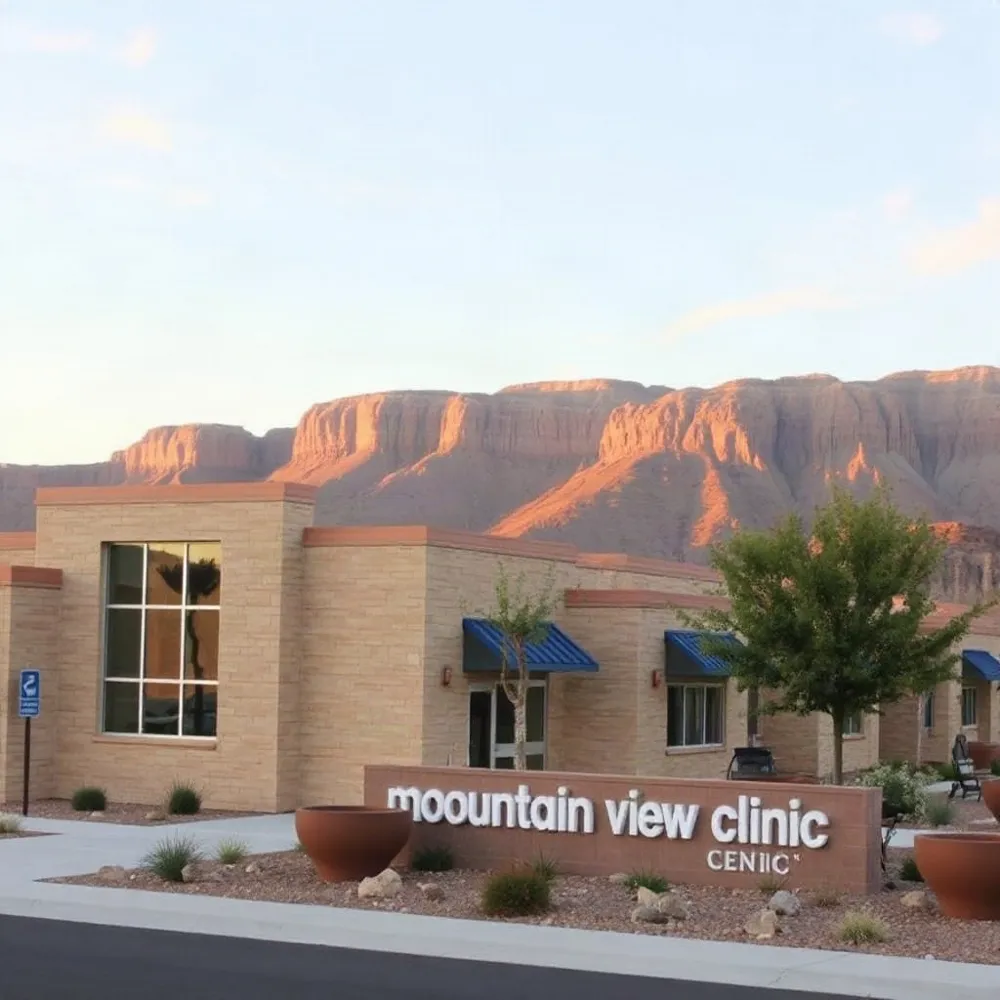 Northern Utah is home to a broad network of pain management clinics, each with its own focus and style. Whether your search brings you to Ogden, Layton, Farmington, or Salt Lake City, you have options that range from large academic centers to locally focused private practices.
The Range of Choices Across the Wasatch Front
For adults living with chronic pain, the variety of clinics can feel overwhelming at first. University of Utah Health's Pain Management Center brings an academic, multidisciplinary approach to Salt Lake City, treating both acute and long-term pain. Private clinics like Interventional Spine & Pain Management (with locations in Ogden, Bountiful, and elsewhere) and Peak Health and Wellness (serving Layton, North Ogden, and Providence) offer non-surgical, interventional treatments designed to reduce reliance on surgery and medication. Tanner Clinic in Layton and Ogden Clinic (with sites in Kaysville and Farmington) provide combined medical and interventional pain management. Omega Pain Clinic in Salt Lake City rounds out the field with a focus on cutting-edge, interventional options.
Lifespring Pain Management Center in Kaysville provides board-certified, non-surgical care for adults from Ogden, Layton, Farmington, Roy, and Salt Lake City, with personalized treatments such as spinal cord stimulation, epidural injections, and radiofrequency ablation delivered in a compassionate, patient-focused setting.
What Patient Ratings and Insurance Really Mean
Satisfaction scores can give you a quick read on the quality of care. Dr. Kathryn M. Nelson at Layton Clinic's Chronic Pain Management holds a 4.9-star rating from 182 ratings, while Dr. Mathew L. Romankowski at Salt Lake Clinic's Physical Medicine and Rehabilitation department earned a 4.9-star rating from 349 ratings. These high scores reflect attentive, skilled care that patients trust. Most clinics, including Lifespring, Interventional Spine & Pain Management, and Peak Health and Wellness, accept all major insurance plans and offer self-pay options, making specialized pain care accessible to a wide range of patients.
If you live in Kaysville, Ogden, Layton, or the surrounding areas, you are well-positioned to find a clinic that fits your specific condition, insurance, and personal comfort level. The best next step is to verify your coverage with the clinic's billing team and schedule a consultation to discuss your symptoms in person.
Take the First Step Toward a Pain-Free Life
Non-surgical relief is available across Ogden, Layton, and Salt Lake City, and you do not have to wait until your pain becomes unbearable to seek help.
Your path toward restored mobility, hope, and dignity begins with a single step: schedule a consultation, call a clinic, or visit a website.