
When Tendon Pain Lingers
Persistent tendon pain can make ordinary movement feel like a daily challenge. Reaching overhead, walking, or gripping a cup may hurt, and setbacks can be frustrating when rest has not brought lasting relief.
Platelet-rich plasma (PRP) is a nonsurgical injection made from a concentrated portion of your own blood. It may be considered for selected tendon problems, but research findings vary by condition and treatment approach. PRP is not a guaranteed way to heal faster or relieve pain. A review of PRP for tendinopathy describes both promising results and studies that found no clear advantage over comparison treatment.
Before considering PRP, it helps to identify what is causing the pain and how severe the tendon problem is. At Lifespring Pain Management Center, board-certified physicians focus on accurate diagnosis and personalized, nonsurgical care. An appointment can give you space to discuss potential benefits, limitations, rehabilitation, and costs, and whether PRP fits your situation. The UCLA Health overview of PRP also notes that results can vary and evidence remains incomplete.
How PRP Is Prepared and Used
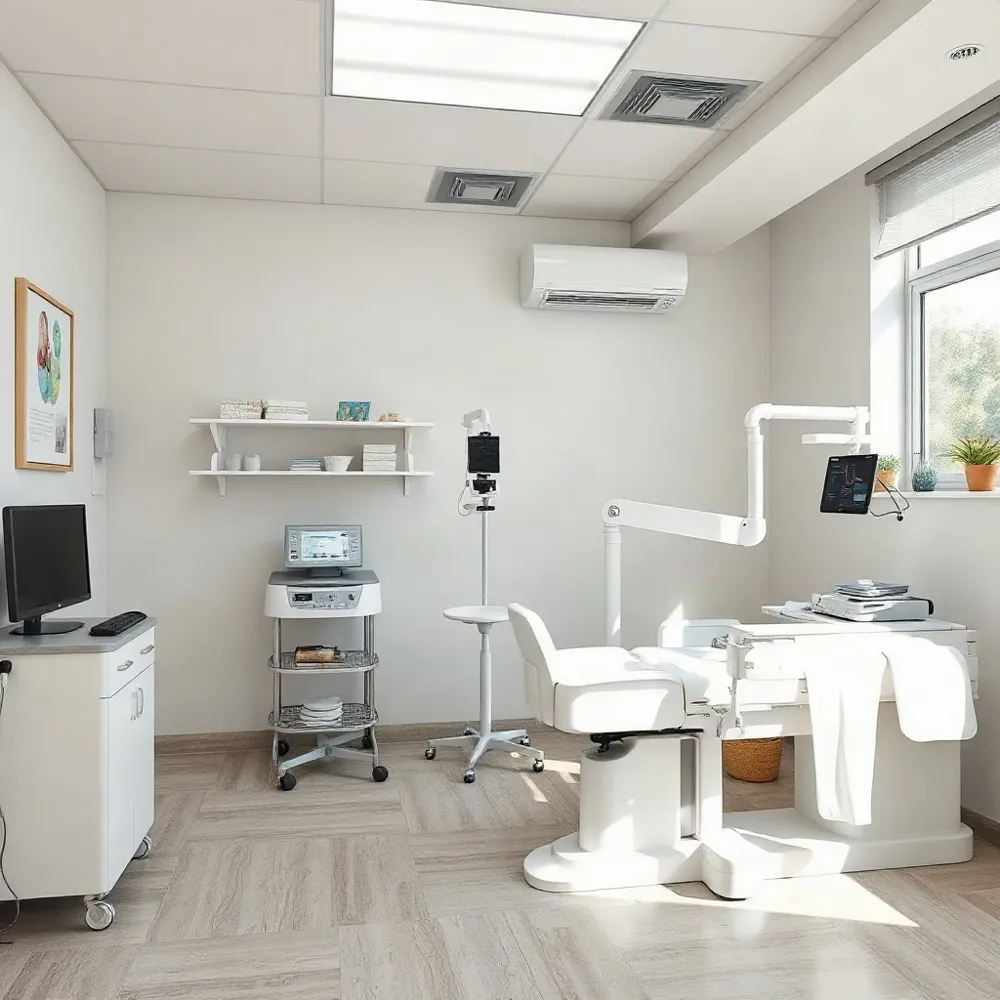 Platelet-rich plasma (PRP) therapy starts with a small sample of your own blood. A clinician processes it, commonly in a centrifuge, to separate and concentrate platelets in the plasma. The resulting preparation is then injected into or near the affected tendon. UCLA Health’s overview of PRP describes this process and its use for some chronic tendon injuries.
Platelets help blood clot and contain proteins and growth factors involved in tissue repair. The aim of placing concentrated platelets at an injured tendon is to support the body’s repair response. Researchers are still studying how PRP works in different tissues, and the proposed biological effects do not guarantee a clinical benefit. A review of PRP research also describes mixed findings and differences in preparation methods that make results difficult to compare (2025 review).
A clinician may use imaging to help guide the injection to the intended area. PRP may be discussed for persistent problems such as tennis elbow or Achilles tendon pain, particularly when rest, exercise, or other conservative care has not helped enough. Lifespring Pain Management Center evaluates chronic pain and offers PRP as one part of its personalized, nonsurgical treatment options.
PRP is not an immediate pain-relief treatment or an assured cure. Whether it is suitable depends on the cause and severity of the tendon problem, your health, and your treatment history. At Lifespring Pain Management Center, an accurate assessment can help clarify the diagnosis and whether PRP belongs in an individualized care plan.
What the Evidence Can and Cannot Tell You
 If you are dealing with a persistent tendon problem, such as tennis elbow, Achilles tendon problems, rotator cuff tendon problems, or patellar tendon problems, PRP may be an option to consider. Some studies report less pain or better function for specific conditions, but findings from one type of tendon problem cannot be assumed to apply to another. A review of PRP for tendon injuries describes promising results in some studies, alongside a study on Achilles tendon problems that compared PRP to a placebo and found no significant advantage over saline when both groups also exercised (review of PRP for tendinopathy).
The evidence is difficult to compare because studies use different ways of preparing PRP, different injection methods, and different rehabilitation plans. Researchers have not established one best formula or protocol, and overall findings remain mixed. A recent review also notes that how PRP works in the body depends on its composition and the tissue being treated (review of PRP mechanisms and clinical evidence.
If you are in Utah and considering PRP, the practical question is whether the evidence fits your specific diagnosis and goals. At Lifespring Pain Management Center, board-certified physicians assess pain conditions and tailor non-surgical care, which may include PRP alongside other treatment options. An evaluation can help clarify whether your tendon problem is suitable for an injection or calls for a different approach.
PRP is intended to support your body’s natural repair response, not provide immediate relief. If it helps, changes may emerge over weeks or months, and improvement is not guaranteed. You may experience temporary soreness or a brief increase in pain after an injection. Lifespring Pain Management Center’s personalized approach can help you discuss likely benefits, possible discomfort, and how rehabilitation may fit into your care before making a decision.
Tears and Shoulder Tendon Pain
If you are an adult in Utah dealing with shoulder tendon pain, you may be wondering if PRP can help heal a tendon tear. It may support the body’s repair response and improve pain or function for some tendon problems, but it does not reliably heal every tear. Research on tendon injuries remains mixed, so PRP is best considered as one possible part of care rather than a stand-alone fix. A review of PRP for tendon injuries describes potential benefits alongside important limits in the available evidence.
The first step is finding out what is causing the pain. Symptoms, a physical examination, and imaging when appropriate can help identify the affected tendon and assess the tear’s size, severity, and duration. At Lifespring Pain Management Center in Utah, accurate diagnosis guides personalized, non-surgical pain care, including decisions about whether an injection is suitable.
A partial tear or tendon problem may be discussed differently from a severe or full-thickness tear, which can require another treatment approach. PRP is not a guaranteed substitute for surgery, and an injection cannot be assumed to repair completely torn tissue. A UCLA Health overview also notes that PRP research is ongoing and results can vary by injury, preparation, and patient.
What should you know about PRP injections for shoulder tendon pain? The injection uses platelets concentrated from your own blood and may be considered alongside activity changes, physical therapy, and other indicated care. Discuss likely benefits, limitations, potential risks, and costs with a clinician before deciding. Temporary soreness or a short-lived increase in pain can occur. Lifespring’s board-certified physicians in Utah offer individualized, non-surgical treatment planning, so the options can be weighed in light of your diagnosis and goals.
Recovery After a PRP Injection
After a platelet-rich plasma (PRP) injection, the treated area may feel sore or swollen, and pain can briefly increase. These effects often settle over a few days, but recovery differs from person to person and by tendon. UCLA Health’s overview of PRP notes that results can vary with the area treated, the injury, preparation methods, and a patient’s overall health.
PRP is intended to support the body’s repair response, not provide immediate relief. Some people notice changes over several weeks, while improvement may take longer. Lifespring Pain Management Center takes a personalized approach to pain care, with treatment decisions guided by an accurate diagnosis and the patient’s circumstances.
Your clinician may advise limiting strenuous activity at first, then returning gradually to movement or physical therapy. Follow their instructions about activity, symptom management, and medication. Some medicines that affect inflammation may not be appropriate around treatment, but do not stop or change a prescribed medicine without first asking your care team.
Contact your clinician if pain becomes severe or worsens, or if you notice increasing redness, warmth, fever, or drainage. These symptoms should be discussed with your care team rather than assumed to be part of normal recovery. At Lifespring Pain Management Center, board-certified physicians provide care focused on accurate diagnosis and individualized, nonsurgical treatment.
Rehabilitation Supports the Care Plan
 A PRP injection is not a stand-alone fix. For tendon pain, rehabilitation can help guide a gradual return to movement while supporting the broader care plan. Research reviews describe physical therapy as a common part of care, while noting that the best timing and exercise approach are not firmly established for every tendon problem (review of PRP for tendinopathy.
Your clinician may first recommend relative rest and less strain on the treated tendon. Temporary support, such as a brace or crutches, or limits on strenuous activity may also be appropriate, depending on the injection site and your symptoms. These steps are not the same for everyone.
As discomfort allows, a therapist may begin with gentle mobility or range-of-motion exercises, then progress to strengthening and functional movements. The pace should reflect the tendon treated and how you respond, rather than follow a fixed schedule for returning to exercise or sport. Follow your care team’s instructions before increasing activity.
At Lifespring Pain Management Center in Kaysville, Utah, PRP is one option within a personalized, non-surgical approach to pain care. A clinician can assess your condition and help coordinate treatment with rehabilitation, so activity guidance fits your needs.
Costs and Insurance Questions
How much does PRP therapy for tendon pain typically cost, and does insurance cover it? A typical estimate is about $1,000–$2,000 per treatment area, but prices vary by clinic, location, and what the procedure includes. This estimate is not a guaranteed price, so ask the clinic for a written breakdown before scheduling.
More than one treatment may sometimes be considered, but there is no standard injection schedule for every tendon problem. The number of visits, areas treated, and services included can all affect the total. Many insurance plans do not cover PRP, though coverage varies; some workers’ compensation or auto insurance policies may cover it in certain cases. Check directly with your insurer and ask the clinic for a full estimate.
Cost is only one part of the decision. At Lifespring Pain Management Center, clinicians consider the diagnosis and individual circumstances when discussing non-surgical options such as PRP. Ask how the evidence applies to your tendon problem, what alternatives are available, and whether the plan fits your goals and budget. PRP coverage and treatment costs can vary, so confirm both before committing.
Make the Decision With Guidance
PRP may be a non-surgical option for some tendon problems, but it is not a guaranteed way to speed healing. Persistent pain deserves an accurate diagnosis, since treatment depends on what is injured and how severe the problem is.
A qualified clinician can help you weigh the available evidence, possible risks, cost, and how rehabilitation may fit into care. At Lifespring Pain Management Center in Kaysville, board-certified physicians focus on accurate diagnosis and personalized, non-surgical pain treatment.
Ask questions and share your health history and goals before deciding. The right choice should reflect your individual diagnosis, overall health, daily needs, and preferences.