A Nonsurgical Option to Explore
Living with ongoing knee, joint, or tendon pain can make everyday choices feel harder. If you are looking for relief without surgery, platelet-rich plasma (PRP) may be one option to discuss with a clinician. It is prepared from your own blood, which is processed to concentrate platelets, then injected into the affected area. The platelets contain growth factors that may support tissue repair, though exactly how PRP works is not fully understood (Johns Hopkins Medicine’s overview of PRP).
PRP is not a guaranteed solution, and research on its use for joint pain is still developing. Whether it makes sense depends on what is causing your pain, your health history, previous treatments, and what you hope to achieve. At Lifespring Pain Management Center, clinicians focus on accurate diagnosis and personalized, non-surgical care, so a conversation can consider PRP alongside other options that fit your needs.
How PRP Is Prepared and Injected
 Platelet-rich plasma (PRP) therapy uses a concentrated portion of your own blood. Platelets help blood clot and release growth factors that may support tissue repair, though the exact way PRP works is not fully understood. Johns Hopkins Medicine explains how PRP is prepared and used.
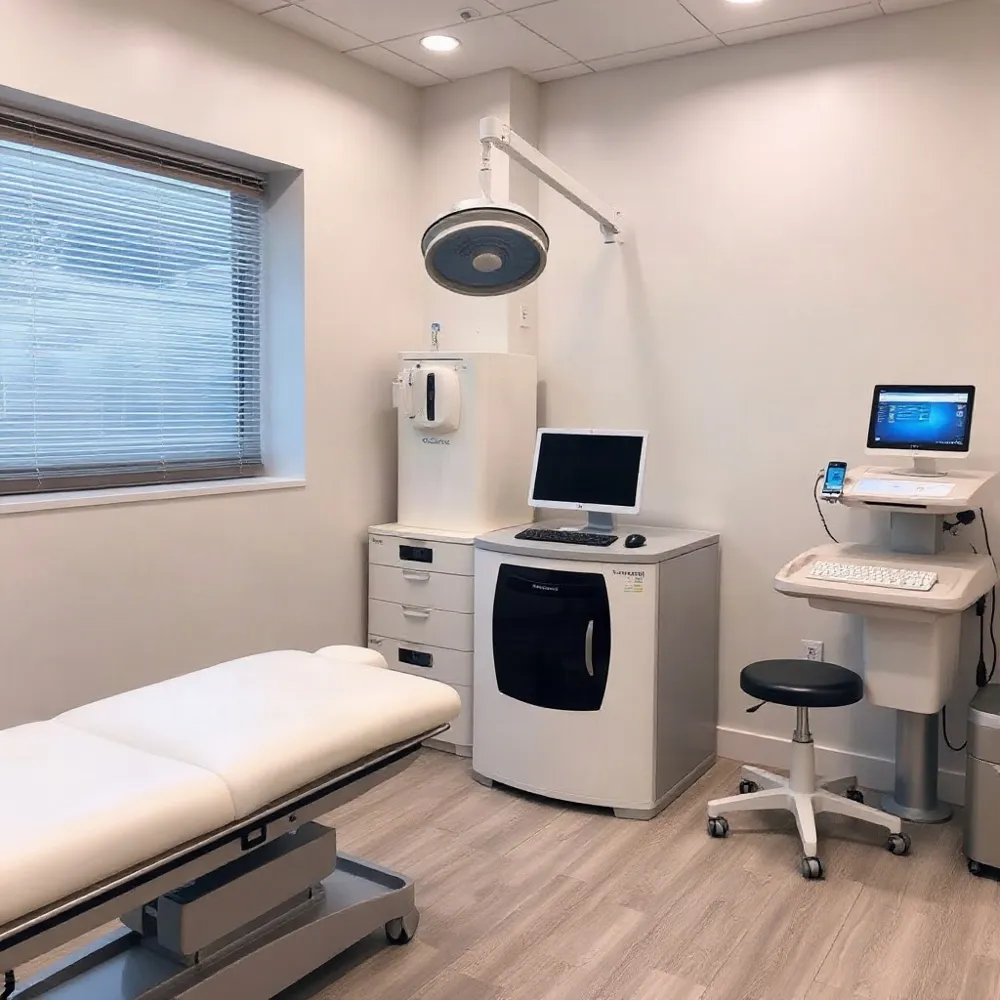
During treatment, a clinician draws a blood sample and spins it in a centrifuge. This separates the blood components and concentrates platelets in the plasma. The prepared PRP is then injected into the area being treated, such as a knee joint or tendon. Ultrasound may help the clinician guide the needle to the intended site.
The injection location and overall plan depend on your diagnosis and clinical assessment. PRP may be given on its own or as part of a broader care plan. At Lifespring Pain Management Center, PRP is one of several non-surgical options considered within personalized care, alongside treatments such as injections and rehabilitation.
Ask your clinician whether PRP is appropriate for your condition and whether any medicines need to be adjusted before treatment. Some medicines may affect the plan, but do not stop or change a prescription on your own. Your care team can review your health history and provide guidance suited to you.
What Research Says About Knee Arthritis
 Can PRP injections treat knee osteoarthritis or reverse arthritis? Research suggests platelet-rich plasma (PRP) may ease pain and improve function for some people with knee osteoarthritis, but study results vary. A review of clinical trials found both encouraging results and studies with limited or inconclusive benefits, so improvement is not assured for an individual. [The review of PRP for knee osteoarthritis](https://pmc.ncbi.nlm.nih.gov/articles/PMC10729545/) also cautions that the findings apply to this condition, not every type of joint pain.
The evidence does not show that PRP reverses arthritis, rebuilds lost cartilage, or stops long-term joint changes. Although researchers are studying whether it affects disease progression, findings remain mixed. At Lifespring Pain Management Center, an accurate diagnosis helps physicians discuss whether PRP fits a person’s knee symptoms and broader care needs, without treating it as a cure.
How many PRP injections might I need, and how effective is treatment? There is no established schedule that suits everyone. Studies use different preparation methods, platelet concentrations, and injection plans, which makes results difficult to compare and leaves the best approach uncertain. The review of clinical trials describes possible improvements in pain and function, but those results do not predict exactly how one person will respond.
If PRP helps, noticeable improvement may take several weeks, and benefits are not necessarily permanent. A clinician can weigh your diagnosis, symptoms, health, and goals when discussing whether to try it and whether other care should continue alongside it. Lifespring Pain Management Center offers personalized, nonsurgical pain care, so PRP can be considered within a plan rather than as a substitute for every other treatment.
Who Should Discuss PRP With a Clinician
Adults around age 50 may be considered for PRP. Age alone does not determine whether treatment is appropriate; a clinician looks at the condition, affected tissue, overall health, previous care, and what you hope to achieve. PRP results vary, and evidence differs by condition, so a medical assessment can help clarify likely benefits and alternatives.
Some health factors call for careful review before an injection. Blood or platelet disorders, anemia, bleeding problems, an active infection, certain skin conditions, some cancers, pregnancy, and blood-thinning medicines may affect whether PRP is suitable. These concerns do not automatically rule out treatment. The decision depends on your individual medical history and the planned injection site. Johns Hopkins Medicine’s guidance on PRP recommends discussing potential benefits and risks with a health care provider.
Before deciding, tell your clinician about your diagnosis, health conditions, and all medicines you take. Do not stop or change a prescribed medicine on your own. At Lifespring Pain Management Center, board-certified physicians focus on accurate diagnosis and personalized, nonsurgical care, which can help place PRP in the context of your needs and treatment goals.
Recovery, Side Effects, and Follow-Up
 Temporary soreness, swelling, bruising, or stiffness near the injection site can occur after PRP. Discomfort may briefly increase before it settles, so a short-lived flare does not necessarily mean the treatment has failed. Johns Hopkins Medicine’s PRP guidance describes soreness and bruising among possible effects.
Because PRP is made from your own blood, allergic reactions are much less likely than with some injected medicines. Still, the injection carries risks, including bleeding or infection, and rarely, tissue or nerve injury. Your personal risk can depend on the injection site, health history, and medicines you take, so discuss these factors with your clinician before treatment.
Recovery and return to activity vary with the condition treated and your individual response. Your clinician can advise when to resume exercise, whether to modify activity, and when to schedule follow-up. A knee brace is not necessary for everyone; use one only if your care team recommends it for your knee and daily activities. At Lifespring Pain Management Center, accurate diagnosis and a personalized, nonsurgical treatment plan help guide these decisions.
Contact your clinician about worsening pain, spreading redness, fever, or any other concerning symptoms. Follow the care team's instructions for activity and follow-up, and ask for guidance if symptoms are not settling as expected.
Costs and Other Knee Pain Options
How much do PRP injections for joints or knee pain cost? PRP can be relatively expensive, and the price may depend on the provider, treatment area, and number of sessions recommended. Ask the clinic for a written estimate that explains whether consultation, preparation, and follow-up care are included. Check with your insurer before scheduling, and ask the clinic and insurer whether HSA or FSA funds can be used.
The equipment used to prepare PRP and give the injections has FDA clearance, but PRP is investigational and is not FDA-approved for most uses, so insurance may not cover it. Johns Hopkins explains PRP’s approval status and potential coverage limits. Because prices and coverage vary, confirm current costs directly rather than relying on a general estimate.
What treatments might be considered instead of PRP for knee pain? Options depend on the cause of pain, your health, and how symptoms affect daily activities. A clinician may discuss physical therapy, low-impact exercise, activity changes, weight management when appropriate, medication, or injections such as corticosteroid or hyaluronic acid. Each option has potential benefits, limits, and costs.
At Lifespring Pain Management Center, clinicians focus on accurate diagnosis and personalized, nonsurgical treatment plans. That evaluation can help you compare PRP with other approaches based on your condition and goals, rather than assuming one treatment is right for everyone. Discuss likely benefits, risks, and out-of-pocket costs with your care team before deciding.
Make the Decision With Your Care Team
PRP may be one nonsurgical option for knee pain, but it is not a promised cure, and its benefits, risks, and costs vary. A careful assessment can help clarify whether it fits your diagnosis, health, and goals.
At Lifespring Pain Management Center, accurate diagnosis guides personalized care, which may include PRP or other nonsurgical treatments. Ask your clinician what improvement is realistic, what alternatives are available, and how each choice may affect daily activities. Take time to weigh the answers before deciding.