A Thoughtful Start to Back Pain Care
Living with back pain can affect far more than your comfort. It may interrupt sleep, work, and activities you value, and it can be frustrating when symptoms ease for a while and then return. Pain lasting three months or longer is generally considered chronic, though it may fluctuate over time, as Johns Hopkins Medicine explains.
There is no single cause of back pain. Spinal arthritis, narrowing around the nerves, disk changes, and muscle-related pain can all contribute. Sometimes an evaluation does not reveal one clear source. That is why matching care to your symptoms, medical history, examination, and goals matters more than assuming a scan alone explains the pain.
At Lifespring Pain Management Center in Kaysville, Utah, board-certified physicians focus on accurate diagnosis and personalized, nonsurgical care. An assessment can help determine whether options such as physical therapy, medication, or an injection may fit your situation, while accounting for your priorities and health.
Conservative treatment can aim to ease pain, improve movement, and support quality of life. It cannot promise complete relief or guarantee that surgery will never be needed. A review of low-back-pain care likewise emphasizes individual assessment and realistic goals, including improved function rather than expecting pain to disappear entirely (NIH review).
Nonsurgical Back Pain Care
- Physical therapy can help some people build strength, improve flexibility, and make daily movement easier; exercises should be tailored to symptoms and abilities.
- Gentle, gradual movement may support mobility and everyday function, but stop or modify activities that cause sharp or worsening pain.
- Pacing daily activities and adjusting tasks that repeatedly aggravate symptoms may help reduce strain; avoiding all movement can make returning to activity harder.
- Stress and mood can be affected by persistent pain. Relaxation practices or cognitive behavioral therapy may complement medical and physical care.
- Medication choices depend on the likely cause of pain and a person’s health; review potential benefits, side effects, and interactions with a clinician.
- Opioids are not recommended as a first-line treatment for chronic back pain; discuss risks, goals, and alternatives with a clinician if they are part of your care.
- Targeted injections may be considered for certain pain sources. Relief varies and may be temporary; injections do not correct the underlying condition.
- Radiofrequency ablation uses heat to interrupt signals from selected nerves and may be considered for some persistent pain sources after evaluation.
- Complementary approaches, such as massage, yoga, or acupuncture, may be considered alongside other care, but suitability and benefits vary.
- Seek prompt care for new or worsening leg weakness, loss of bladder or bowel control, numbness around the groin, fever, or difficulty standing or walking.
1. Build Support Through Physical Therapy
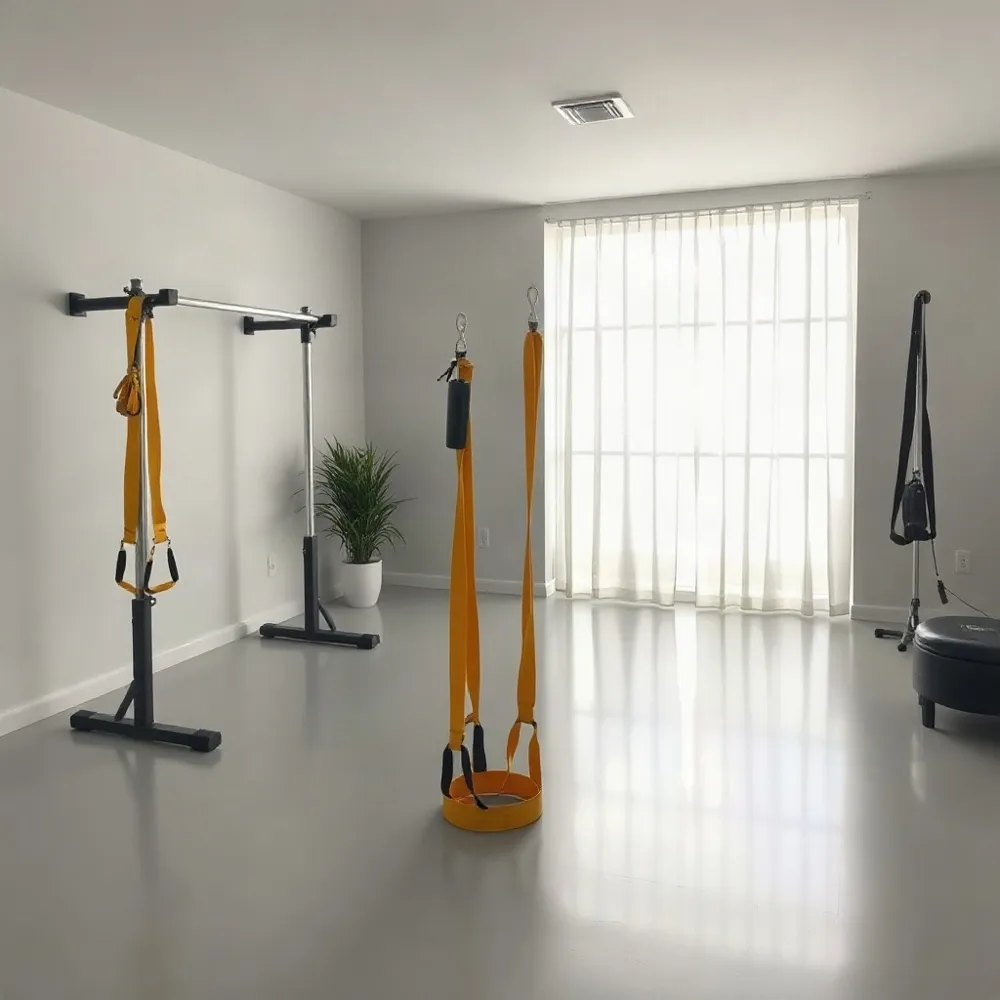 When back pain makes movement feel uncertain, working with a physical therapist can provide a supported way to rebuild strength and confidence. Exercise-based physical therapy is a common early approach for chronic back pain, with a plan shaped around your symptoms and goals rather than a standard set of exercises.
A program may include core strengthening, stretching and flexibility work, posture practice, balance exercises, and gradual tests of what activities you can comfortably manage. A therapist can adjust movements to your diagnosis and abilities, and explain how to progress without pushing through a flare. Johns Hopkins Medicine describes tailored physical therapy and home exercise as a foundation of chronic back-pain care (its guidance on nonsurgical treatment).
Therapy is generally meant to help you build a sustainable routine you can continue independently, not to keep you in appointments indefinitely. The therapist can teach safe technique, identify movements that aggravate symptoms, and coordinate goals and precautions with your clinician. A home plan that fits daily life is easier to maintain than one that feels overwhelming.
Lifespring Pain Management Center in Kaysville pairs accurate diagnosis with personalized, nonsurgical care, which can help guide decisions about whether physical therapy or another treatment fits your situation. If pain continues to limit daily activities despite self-directed exercise, or you are unsure how to move safely, a professional assessment can help clarify the next step.
2. Make Gentle Movement Part of the Routine
A manageable home exercise routine can help maintain strength, mobility, and everyday function over time. The goal is not to push through pain or follow a demanding schedule, but to find movements you can repeat safely and steadily.
Depending on your needs, a routine may include gentle stretching, range-of-motion work, core strengthening, balance exercises, and comfortable aerobic activity. Examples such as knee-to-chest stretches, bridges, and cat stretches appear in Mayo Clinic’s back exercise guide, but they are examples, not a prescription for everyone.
Start at a level that feels manageable and build gradually as movements become easier. If pain is ongoing, began after an injury, or worsens during exercise, ask a clinician or physical therapist which activities are appropriate. A movement that helps one condition may aggravate another, so exercise alone cannot be expected to resolve every cause of back pain.
At Lifespring Pain Management Center in Kaysville, board-certified physicians focus on accurate diagnosis and individualized, nonsurgical care. That assessment can help clarify which options fit your condition and whether movement should be adapted as part of a broader plan.
3. Adjust Daily Habits to Reduce Strain
Small changes to daily routines may help reduce strain and make activity more manageable. Try pacing chores, taking breaks during demanding tasks, and asking for help or splitting heavy loads into smaller trips. Notice which activities repeatedly aggravate your symptoms and adjust them when possible.
Avoiding all movement can make it harder to return to everyday activities. Instead, favor comfortable, enjoyable movement and build back gradually, guided by how your body responds. At Lifespring Pain Management Center, care is tailored to each person’s condition and goals, so activity advice can fit your needs rather than follow a one-size-fits-all plan.
Smoking may heighten pain and slow healing. If you smoke, choosing one realistic change at a time can feel more achievable than trying to overhaul several habits at once. Johns Hopkins Medicine’s guidance on chronic back pain also recommends pacing strenuous activity, limiting triggers where possible, and making manageable lifestyle changes.
Maintaining a weight that supports your overall health may reduce pressure on the spine. Weight and diet changes can be sensitive, and there is no single plan that suits everyone. Discuss your concerns with a clinician who can consider your health, symptoms, and preferences without judgment.
4. Address the Stress That Pain Can Bring
Persistent back pain can affect more than the body. Frustration, irritability, low mood, or worry may arise as pain disrupts sleep and daily routines. These feelings do not mean the pain is imagined; they are part of how a person may respond to living with pain.
Mindfulness, meditation, and relaxation practices may help you manage the emotional strain and respond to pain with greater steadiness. A rehabilitation psychologist can suggest options suited to your needs, such as meditation, yoga, tai chi, or other coping strategies, as part of a broader care plan. Johns Hopkins Medicine describes these approaches as possible supports for people with chronic back pain.
If fear of movement, expecting the worst, or low mood is making it harder to stay active or follow a treatment plan, cognitive behavioral therapy (CBT) may be useful. A review of conservative low-back-pain care notes that CBT can help reduce catastrophic thinking and build confidence in managing pain (NIH review). Psychological support does not replace medical evaluation; it can complement physical care.
At Lifespring Pain Management Center in Kaysville, Utah, clinicians take a personalized approach to chronic pain care, considering its physical and emotional effects alongside diagnosis, function, and treatment goals. You can discuss emotional support with your care team and decide together which options fit.
5. Use Medication Carefully and Collaboratively
Medication may help reduce back pain enough to make daily activities and rehabilitation more manageable, but the right choice depends on the likely cause of pain and your overall health. Options can include topical or oral anti-inflammatory medicines, muscle relaxants, medicines for nerve pain, or certain antidepressants. Johns Hopkins Medicine’s guidance on chronic back pain emphasizes tailoring treatment to the person rather than relying on one medicine for everyone.
Before starting or changing a medicine, tell your clinician about health conditions, allergies, and all prescription and over-the-counter medicines you take. Some treatments may not be suitable with certain health risks or can interact with other drugs. A clinician can review potential benefits and side effects, then help find the lowest dose that provides meaningful relief.
Keep checking whether the medicine is helping you function and whether unwanted effects are developing. Continuing is most reasonable while the benefits outweigh the drawbacks. At Lifespring Pain Management Center in Kaysville, clinicians can consider medication as part of an individualized, multimodal plan that may also include non-surgical treatments such as injections or radiofrequency ablation.
Opioids are not recommended as a first-line approach for chronic back pain. Prolonged use can lead to tolerance, physical dependence, and habit formation, and may require escalating doses. If opioids are part of your care, discuss risks, goals, and other options with your clinician. A plan should be reviewed over time, especially if pain remains difficult to manage or medication causes troublesome effects.
6. Consider Targeted Injections When Appropriate
 If you have back pain that seems to come from a particular nerve, joint, or muscle, your clinician may discuss a targeted procedure as part of your broader care plan. At Lifespring Pain Management Center, board-certified physicians use an accurate diagnosis to guide options such as epidural and nerve block injections, rather than treating every pain pattern the same way.
An epidural steroid injection places anti-inflammatory medicine near irritated spinal nerves. It may be considered for radiating pain linked to a herniated disk or spinal stenosis, especially when other nonsurgical care has not helped enough. Cleveland Clinic’s overview of epidural steroid injections explains that the procedure may ease nerve inflammation, but does not correct the underlying condition.
Results vary, and relief is often temporary. For some people, a reduction in pain can make it easier to take part in physical therapy or gentle activity. Johns Hopkins Medicine describes injections as a way to support movement and rehabilitation, not as a stand-alone long-term solution. Its guidance on nonsurgical chronic back-pain care also notes that trigger-point injections and nerve blocks may be considered when the suspected pain source is understood.
Every procedure has potential risks, including infection, bleeding, medication reactions, or temporary symptom changes. Before deciding, ask your treating clinician to review likely benefits, alternatives, and personal health factors such as medication use or diabetes. Injections may not suit every diagnosis or medical history.
Radiofrequency ablation is different from an injection: it uses heat to interrupt pain signals from selected nerves and may be considered for certain persistent pain sources after evaluation. Lifespring offers radiofrequency ablation as one option within its non-surgical pain care. Whether an injection or another procedure fits depends on your diagnosis, treatment goals, and response to earlier care.
7. Explore Complementary Options With Guidance
- Explore Complementary Options With Guidance
Some people with persistent back pain explore complementary approaches alongside exercise, medication, or other care. Options may include acupuncture, massage, biofeedback, laser therapy, and electrical nerve stimulation. These approaches do not work the same way for everyone, and evidence varies by treatment and condition.
Massage and yoga may be considered as part of care for chronic low back pain, but neither is a guaranteed fix or a replacement for an appropriate evaluation. A review of conservative care describes both as possible additions, while noting that benefits and the best approach can differ between individuals. Research on conservative low back pain management discusses these options alongside other treatments.
Before starting a new approach, discuss it with a spine or pain specialist. Your symptoms, likely pain source, medical history, and other health conditions can affect whether an option is suitable. At Lifespring Pain Management Center in Kaysville, board-certified physicians focus on accurate diagnosis and personalized, nonsurgical care, which can help patients weigh complementary choices alongside established treatments.
Complementary care is best viewed as one possible part of a broader plan, not a reason to delay evaluation when pain persists, worsens, or comes with new symptoms. A clinician can help set realistic goals and adjust the plan based on how you respond. Johns Hopkins Medicine also recommends discussing appropriate options with a spine specialist. Its guidance on chronic back pain includes complementary approaches among several nonsurgical choices.
Common Nonsurgical Treatment Choices
People considering spinal fusion or another operation often want to know what can be tried first. Nonsurgical care may include physical therapy, tailored home exercise, activity adjustments, and medication chosen with a clinician. The goal is often to reduce symptoms and support daily function, not to promise that every structural problem can be corrected without surgery.
What are common non-surgical treatments for chronic back pain?
The right mix depends on what may be causing the pain, how symptoms affect movement, your health history, and your goals. A clinician may discuss targeted injections when an assessment points to an irritated nerve or another specific pain source. Other options can include procedures that use heat to calm specific nerves (radiofrequency ablation) or, for some people with persistent nerve-related pain, devices that send mild pulses to the spinal cord (spinal cord stimulation). Each has distinct uses and suitability should be assessed individually.
At Lifespring Pain Management Center in Kaysville, care may include board-certified physicians, thorough evaluation, and nonsurgical options such as targeted injections to block pain signals, procedures that use heat to calm specific nerves (radiofrequency ablation), and devices that send mild pulses to the spinal cord (spinal cord stimulation). These treatments are not interchangeable, and a clinician can explain which options fit your condition and treatment goals.
What are non-surgical alternatives to back surgery, including spinal fusion?
Alternatives may include guided rehabilitation, appropriate medication, activity changes, and selected procedures. These approaches can help manage pain and support function, but they do not necessarily repair instability or another structural problem. Johns Hopkins Medicine describes conservative care as a starting point for many people, with surgery considered when appropriate treatments have not helped and evaluation supports it. Its overview of chronic back pain treatment also stresses that surgery does not guarantee pain relief.
A specialist can review symptoms, examination findings, imaging, medical history, and personal priorities before discussing next steps. If symptoms persist or worsen, ask whether further evaluation or a surgical opinion is appropriate. A plan should be revisited as your response and goals change.
Exercise and Physical Therapy Questions
Can physical therapy help with chronic lower back pain?
Physical therapy can help some people build strength, improve flexibility, and make daily movement easier. A physical therapist can adapt exercises to your symptoms, abilities, and goals, then adjust the plan as you progress. Improvement may take time and varies from person to person. Johns Hopkins Medicine describes tailored physical therapy and home exercise as common parts of chronic back-pain care (guidance on chronic back pain.
If an exercise makes pain sharper or worse, stop and ask how to modify it. Persistent pain deserves an assessment to help clarify its likely source and suitable next steps. At Lifespring Pain Management Center in Kaysville, board-certified physicians focus on accurate diagnosis and personalized, nonsurgical pain care; treatment options depend on each person’s condition.
What kinds of exercise may help with chronic back pain, and which should I avoid?
Gentle movement, walking or other comfortable aerobic activity, stretching, and exercises that strengthen the core and back may help some people. Start at a manageable level and increase activity gradually rather than trying to follow one routine that may not suit your symptoms. Mayo Clinic advises consulting a physical therapist or another health professional about safe exercises when addressing ongoing back pain (back exercise guidance).
Avoid pushing through sharp or worsening pain, and pause or change activities that repeatedly trigger a flare. Check with a clinician or physical therapist before starting or changing an exercise plan, especially if symptoms are new or changing. Lifespring’s individualized approach can help patients discuss nonsurgical options suited to their diagnosis and goals.
At Home and Specific Spine Conditions
For a lower-back flare, gentle movement you can tolerate is usually preferable to staying in bed for long periods. A wrapped cold pack or a protected heat source may offer comfort; limit each application to about 15 to 20 minutes and keep it off bare skin. A pillow under your knees when lying on your back, or between your knees when lying on your side, may also ease pressure.
Exercises that help one person can aggravate another, depending on the cause of pain. Ask a clinician or physical therapist which movements are appropriate, and stop an activity that brings on worsening pain or new symptoms. The National Institutes of Health review of conservative low-back-pain care supports individualized assessment and staying active when serious warning signs are absent.
An L4-L5 finding on imaging does not by itself determine whether surgery is needed. Many people can first consider nonsurgical care, such as guided physical therapy, suitable medication, and activity adjustments. Depending on the diagnosis, a clinician may also discuss an epidural injection or radiofrequency ablation.
A specialist can review your symptoms, examination, and imaging together to help identify the likely pain source and match treatment to your needs. Seek prompt in-person care for new or worsening leg weakness, loss of bladder or bowel control, numbness around the groin, fever, or trouble standing or walking. Contact a clinician if pain persists, worsens, or limits daily activities. Johns Hopkins Medicine also identifies new bowel or bladder problems, groin numbness, and limb weakness as warning signs requiring urgent evaluation.
Epidural Injection Expectations and Safety
 An epidural steroid injection places anti-inflammatory medicine near irritated spinal nerves. A clinician may consider it for radiating back or leg pain linked to a herniated disk or spinal stenosis, especially when other nonsurgical care has not helped enough. At Lifespring Pain Management Center, physicians assess the likely pain source and consider injections as part of a personalized plan, rather than as a stand-alone cure.
What are the potential benefits and risks of epidural steroid injections for back pain?
For some people, reduced nerve irritation makes daily movement or physical therapy more manageable. Relief varies: it may last weeks or months, be brief, or not occur. The Cleveland Clinic’s overview of lumbar epidural steroid injections notes that benefit and duration differ by person and the cause of pain.
Temporary soreness, a short-lived pain flare, headache, flushing, or increased blood sugar can occur. Less common complications include bleeding, infection, medication reaction, or nerve injury. Tell your clinician about your health conditions and medicines, including blood thinners, so you can discuss individual risks and alternatives.
How long can relief from an epidural injection last, and how often can injections be repeated?
There is no repeat schedule that suits everyone. Your clinician should weigh how much relief you had, how long it lasted, your health history, and the risks of further steroid exposure. At Lifespring Pain Management Center, treatment decisions are tailored to the person and may include other options, such as nerve blocks or targeted heat therapy (radiofrequency ablation), when appropriate.
What should I do if an epidural steroid injection does not relieve my back pain?
Contact the treating clinician to review your symptoms, diagnosis, and time since the procedure. Relief can take several days to begin, and a lack of improvement may prompt further assessment or a different approach. Repeating the injection is not automatically the next step.
Seek urgent medical attention for new or worsening weakness, fever, severe headache, or changes in bladder or bowel control after an injection. These symptoms need prompt assessment.
Choose Care That Fits Your Needs
There is no single nonsurgical treatment that suits every cause of back pain. Depending on your diagnosis and goals, care may combine guided movement, physical therapy, daily habit changes, medication, or a selected procedure. A clinician can help weigh these options and adjust the plan as your symptoms and abilities change. Johns Hopkins Medicine’s guidance on chronic back pain emphasizes tailoring treatment to the person.
If pain persists, worsens, or limits activities that matter to you, tell your clinician what has helped, what has not, and what you hope to regain. At Lifespring Pain Management Center in Kaysville, board-certified physicians use accurate diagnosis and personalized, multimodal care to address chronic pain and support mobility.
Conservative care cannot guarantee that surgery will always be avoidable, and some conditions need prompt assessment. Seek urgent in-person care for new or worsening weakness, changes in bowel or bladder control, or numbness in the groin. These symptoms should not wait for a routine appointment.
A careful evaluation can help you understand your options and choose a plan centered on function and quality of life. You deserve clear guidance, realistic expectations, and care that takes your concerns seriously.