Finding Relief Beyond Opioids
Persistent back pain can make everyday movement, work, and sleep harder, while also affecting mood and confidence. When one approach has not helped, it is understandable to feel discouraged. Chronic back pain generally means pain lasting three months or longer, though symptoms may ease for a time and then return, as Johns Hopkins Medicine explains.
There is no single treatment that works for everyone, and improvement may take time. Non-surgical options can include guided movement, behavioral support, medication, or targeted procedures, chosen according to the likely cause and a person’s health and preferences. The CDC’s guidance on pain management favors appropriate nonopioid therapies for subacute and chronic pain, while emphasizing that care should balance expected benefits and risks.
At Lifespring Pain Management Center in Kaysville, Utah, care is personalized and multimodal, with accurate diagnosis guiding options such as injections, radiofrequency ablation, or spinal cord stimulation when appropriate. A useful plan sets goals around function and quality of life, then adjusts based on how you respond.
Start With the Source of Pain
 Chronic back pain can arise from age-related spinal arthritis, narrowing around spinal nerves (spinal stenosis), a herniated or bulging disk, or pain in muscles and connective tissue. Sometimes, even after an assessment, there is no single clear source. Knowing the likely contributors can still help guide a treatment plan. Johns Hopkins Medicine describes these common causes and the role of diagnosis in choosing care.
A clinician may ask about your health history and symptoms, examine your back and movement, and recommend imaging or other tests when they could clarify the picture. Scan findings need to be considered alongside your symptoms and daily function, since an image alone does not explain how much pain you feel or what activities are difficult.
Share what makes the pain better or worse, how it affects work, sleep, and movement, which treatments you have tried, and any other health conditions. Discuss what you hope to do more comfortably. Current evidence cannot reliably predict which treatment will work best for each person, so clinicians may adjust the plan according to your diagnosis, preferences, and response. If the diagnosis or options remain unclear, asking a back-pain specialist for a second opinion may help.
Non-surgical care can include guided physical therapy and home exercise, practical changes to daily routines, and non-opioid medicines selected with a clinician. Depending on the suspected pain source and your goals, a specialist may also discuss targeted options such as epidural injections, nerve blocks, or radiofrequency ablation (a procedure that uses heat to interrupt pain signals). Spinal cord stimulation may be considered for some people when other approaches have not provided enough relief. These treatments are not suitable for everyone or guaranteed to work; CDC guidance emphasizes choosing care based on expected benefits and risks.
At Lifespring Pain Management Center in Kaysville, Utah, care is guided by accurate diagnosis and may include physical rehabilitation alongside procedures such as nerve blocks or radiofrequency ablation (a procedure that uses heat to interrupt pain signals), with goals centered on movement and quality of life.
Build Movement Into the Plan
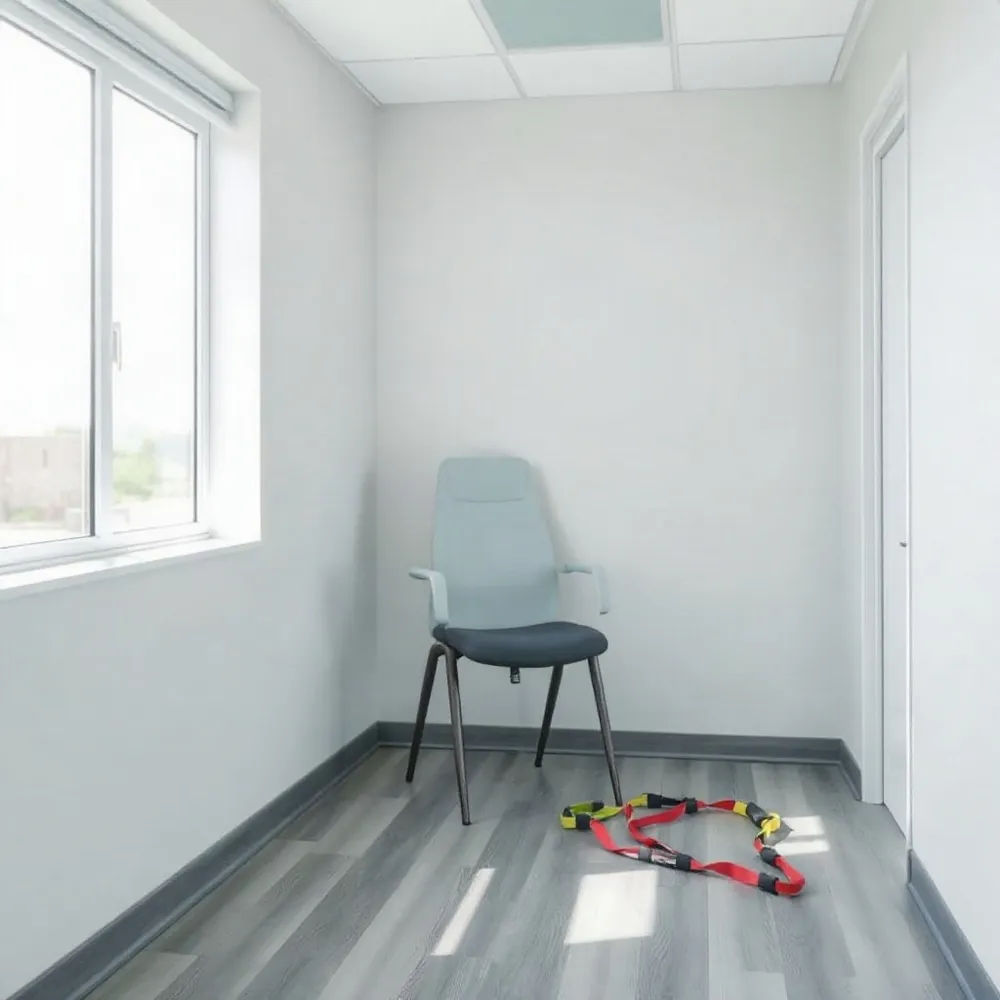 Yes, exercise or physical therapy can help relieve lower back pain for many adults. Movement may ease pain and improve day-to-day function, though progress varies and can take time. Physical therapy offers guidance as you build strength, flexibility, and confidence, rather than expecting you to push through pain.
Exercise-based physical therapy is often an early part of chronic back-pain care. A clinician or physical therapist can adapt activity to your symptoms, health, and comfort. At Lifespring Pain Management Center, clinicians consider the likely source of pain when shaping individualized, nonsurgical care, which may include physical therapy alongside other options.
A plan may include core strengthening, stretching and flexibility work, posture practice, and aerobic activity at a comfortable pace. The aim is gradual progress within tolerable limits. Research supports exercise for chronic low back pain, but no single general exercise type consistently works best for everyone, so the approach may need to change as your needs and response become clearer (evidence review).
A suitable home routine can help maintain strength and stability between appointments. Start gently, and ask a professional which movements fit your condition. Gentle movement may help preserve mobility, but stop an exercise that clearly worsens pain. New leg pain, numbness, or tingling should prompt medical advice, not a harder stretch. The CDC’s guidance on exercise and chronic pain also lists exercise as a nonopioid approach that can support function.
If fear of movement or a flare-up makes it hard to begin, supervised guidance can help you find a manageable starting point. Set practical goals, such as walking more comfortably or completing a daily task, and build gradually. Seek medical assessment for severe or persistent pain, or new weakness or numbness, before continuing an exercise routine.
Support Daily Habits and Coping
Small adjustments to daily routines can make chronic pain easier to manage. Pace chores, take breaks during strenuous tasks, ask for help with heavy items, and notice which activities tend to bring on a flare. These steps may help you stay involved in everyday life without pushing through worsening symptoms.
Pain can also affect sleep, mood, and stress levels. Relaxation strategies and psychological support can help people cope with that strain; seeking help does not mean the pain is imaginary. The Johns Hopkins Medicine guide to chronic back pain describes approaches such as mindfulness, meditation, yoga, and tai chi. Cognitive behavioral therapy and acceptance and commitment therapy are other options, though people respond differently and no approach suits everyone.
Lifespring Pain Management Center considers both physical symptoms and the emotional effects of persistent pain when planning care. A clinician can help you decide whether coping strategies or psychological support fit alongside other treatments.
Weight management and dietary changes may be worth discussing, since weight can affect pressure on the spine and food choices may matter for some people. Ask a clinician for advice suited to your health rather than relying on a specific diet to relieve pain. Smoking may heighten pain and delay healing, so realistic, gradual changes can be more manageable than trying to change everything at once.
Consider Non-Opioid Medicines Carefully
Non-opioid medicines can be part of back-pain care, but the right choice depends on what symptoms you have, your health history, and any medicines you already take. Options may include topical or oral anti-inflammatory medicines, acetaminophen, certain antidepressants, and medicines used for nerve pain.
These medicines are not risk-free. Anti-inflammatory drugs may be unsuitable for some people with heart, kidney, or digestive conditions, while acetaminophen requires care for people with liver problems. Older adults and pregnant people may also need additional precautions. The CDC’s guidance on nonopioid pain therapies recommends choosing medicines with a clinician, based on each person’s risks and circumstances.
Before starting or changing a medicine, ask your clinician what benefit to expect, what side effects to watch for, and whether it could interact with another treatment. Use it only as directed. Johns Hopkins Medicine also advises working with a doctor to find the lowest effective dose and continuing a medicine only while it remains helpful and well tolerated (medication guidance for chronic back pain).
Evidence differs across medication types, and a medicine that helps one person may not suit another. At Lifespring Pain Management Center in Kaysville, clinicians build care around accurate diagnosis and personalized, multimodal treatment. Medication may be one part of that plan, alongside other non-surgical options, with the aim of supporting daily function while limiting unnecessary medication use.
Understand Targeted Injection Options
Injections may be considered when an examination suggests a specific nerve, joint, or muscle is contributing to back pain. At Lifespring Pain Management Center in Kaysville, clinicians offer individualized options, including epidural and nerve block injections, as part of non-surgical care.
An epidural steroid injection places anti-inflammatory medicine near spinal nerves. A clinician may consider it when an irritated nerve causes pain that travels from the back into the buttocks or legs, including in some cases involving a herniated disk or spinal stenosis. The aim is to ease nerve irritation, not repair the underlying condition. Epidural steroid injections are one option among several, and results vary.
A selective nerve root block targets a particular nerve. It may reduce symptoms and sometimes help clinicians assess whether that nerve is the likely source of pain. Facet joint or sacroiliac joint injections may be considered when those joints appear to contribute to symptoms. Trigger-point injections target tight or painful muscle areas. The appropriate approach depends on the suspected source, rather than simply the location where pain is felt.
To choose among these options, clinicians consider the pattern of symptoms, examination findings, health history, treatment goals, and imaging when appropriate. Some injections are used partly to help clarify a diagnosis. Johns Hopkins Medicine notes that targeted injections are generally considered when the pain source is known and are not stand-alone long-term treatment. Its guidance on injections for chronic back pain describes them as one part of a wider plan.
Relief may be temporary, and an injection does not guarantee improvement. When symptoms ease, the added comfort may help you take part in gentle activity or rehabilitation. Ask your clinician about expected benefits, possible risks, and how an injection would fit with other care.
Weigh Epidural Benefits and Risks
An epidural steroid injection may reduce inflammation around irritated spinal nerves, but relief is not guaranteed. At Lifespring Pain Management Center, board-certified physicians tailor non-surgical care to the diagnosis and the person’s health, rather than treating an injection as a stand-alone fix.
How long can an epidural steroid injection relieve back pain?
The numbing medicine sometimes included in an injection may provide short-term relief sooner, while the steroid can take several days to work. If the injection helps, relief may last from several days to months or longer. Some people get little or no benefit, and results depend on the cause of pain and individual response. The Cleveland Clinic’s overview of lumbar epidural steroid injections describes this range and notes that outcomes vary.
An injection is generally intended to ease symptoms enough to support daily activities or rehabilitation, not to cure the underlying condition. Your clinician can review whether it helped and discuss other options if symptoms return.
What are the possible risks and side effects of an epidural steroid injection?
Temporary soreness at the injection site, a brief increase in pain, headache, facial flushing, trouble sleeping, or a rise in blood sugar can occur. Less common but important risks include bleeding, infection, an allergic reaction, a spinal-fluid leak that can cause a persistent headache, or nerve injury. The Hospital for Special Surgery’s epidural injection guidance explains potential side effects and why risks should be considered for each patient.
Repeated steroid injections may affect nearby bones or muscles, and steroid exposure can also affect the body’s natural hormone production. There is no one schedule that fits everyone. Ask your treating clinician how your medical history, medicines, and the injection site affect the risks and appropriate frequency.
What should I expect after an epidural steroid injection, and when should I contact my clinician?
Brief tenderness or a temporary change in symptoms may follow the procedure. Numbing medicine can briefly make a leg feel heavy or numb, while the steroid may take several days to work, if it helps. Follow your clinician’s directions about activity, bathing, and when to restart medicines, especially blood thinners. Lifespring’s individualized approach includes matching treatment to the diagnosis and discussing how progress will be assessed.
Contact your clinician promptly for fever, a severe or worsening headache, new weakness or numbness, increasing pain, or loss of bladder or bowel control. Seek emergency help for trouble breathing or fainting. Before the procedure, ask what benefit is realistic for your condition, which risks matter most given your health, and when and how the result will be reviewed.
Keep Opioids in Perspective
Opioids may have a role in some pain plans, but they are not a first-line treatment for chronic back pain. The CDC’s guidance on nonopioid pain therapies prefers nonopioid options for subacute and chronic pain, and advises considering opioids only when expected benefits for pain and function outweigh the risks.
Evidence for long-term opioid benefit in back pain is limited. Prolonged use can lead to tolerance, physical dependence, and other harms. If you have concerns about an opioid you have been prescribed, talk with the prescribing clinician about your goals, possible alternatives, and a safe plan. Do not stop or change a prescribed dose abruptly without medical guidance.
What are alternatives to opioids for managing chronic back pain?
Options may include physical therapy, gentle exercise, and other movement-based care, along with non-opioid medicines when appropriate. Sleep support, stress-management approaches, and pacing daily activities may also help. Depending on the diagnosis, a clinician may discuss procedures such as nerve blocks, radiofrequency ablation, or spinal cord stimulation. Each option has benefits and risks, and none is right for everyone.
At Lifespring Pain Management Center in Kaysville, care is tailored around diagnosis, health history, and goals such as improving mobility. Its non-surgical options include injections, radiofrequency ablation, and spinal cord stimulation, alongside a focus on reducing reliance on medication. A qualified clinician can help weigh these choices and adjust the plan according to how you respond.
Reassess When Relief Is Limited
 If an epidural steroid injection does not help, or relief lasts only briefly, that is a reason to review the diagnosis and care plan, not to assume surgery is the next step. An injection may not address every source of back pain, and results vary from person to person.
At follow-up, your clinician can revisit your symptoms, examination findings, relevant imaging, and treatments you have already tried. This review can help determine whether the suspected pain source remains likely, whether it has changed, or whether a different approach deserves consideration. The Johns Hopkins guidance on chronic back pain also recommends seeking a specialist’s opinion when the diagnosis or options remain unclear.
Depending on what the reassessment shows, next steps may include further rehabilitation, another suitable nonsurgical treatment, or a consultation with a specialist, including a surgeon when clinically appropriate. At Lifespring Pain Management Center in Kaysville, clinicians use accurate diagnosis to guide individualized, nonsurgical options such as physical rehabilitation, nerve blocks, and radiofrequency ablation. No procedure is right for every person, and treatment should reflect your condition and preferences.
Routine follow-up is different from an urgent warning sign. New or worsening bowel or bladder problems, numbness in the groin, limb weakness, or trouble walking or keeping your balance call for prompt in-person evaluation. Do not wait for a scheduled appointment if these symptoms appear.
When discussing progress, consider more than pain intensity. Are you moving more comfortably, sleeping better, or returning to activities that matter to you? These goals help you and your clinician judge whether a plan is useful and what may need to change. Surgery is generally considered after conservative options have not helped and a correctable cause has been identified, as Johns Hopkins Medicine explains. Care can be adjusted over time, and limited relief does not mean you have run out of options.
A Plan Built Around Your Goals
Back pain care often takes a combination of approaches, adjusted over time as symptoms and daily needs change. No single treatment works for everyone, and improvement may mean moving more comfortably or returning to valued activities, not eliminating pain entirely. The CDC’s guidance on nonopioid pain therapies emphasizes choosing care by weighing likely benefits against risks.
A conversation with a qualified clinician can help clarify what may be causing your pain and which options fit your health history. Ask about expected benefits, possible side effects, costs, insurance coverage, and access to services. Agreeing on practical goals, such as walking farther or managing household tasks, can help you assess whether a plan is useful.
At Lifespring Pain Management Center in Kaysville, care may combine approaches such as injections, radiofrequency ablation, or spinal cord stimulation, guided by an individual assessment and a focus on non-surgical relief. Seeking support is a practical step, not a promise of a quick fix. With thoughtful guidance, you can explore options suited to your circumstances and work toward greater comfort and participation in daily life.