
When Migraine Becomes a Frequent Burden
Frequent migraine can make ordinary routines feel uncertain. Pain and related symptoms may disrupt work, family time, relationships, and the plans that help you feel like yourself. If headaches are taking up more of your life, seeking relief is understandable, and you deserve care that takes your experience seriously.
For some adults with chronic migraine, Botox, also called onabotulinumtoxinA, is a clinician-administered, non-surgical preventive option. It may be considered when a person has 15 or more headache days per month, though a healthcare provider must assess the headache pattern and overall health. Cleveland Clinic’s overview of Botox for migraine explains how it is used to help prevent chronic migraine.
Botox is not a rescue treatment for an attack that is already underway. Its purpose is to help reduce future migraine burden, and results may take time to develop. At Lifespring Pain Management Center in Kaysville, Utah, Botox is one of several non-surgical options considered within personalized pain care. Discuss your symptoms, medical history, possible benefits, and risks with a healthcare provider to decide whether it may suit your needs.
Who May Be Considered for Botox
 For adults in Utah seeking non-surgical pain relief for chronic migraine, Botox may be a preventive option to consider. Botox is an FDA-approved treatment for those who have 15 or more headache days per month, with each headache lasting at least four hours. It is not approved for people with 14 or fewer headache days per month. The American Migraine Foundation’s guidance on Botox for migraine explains this threshold, but only a clinician can assess whether your headache pattern fits and whether treatment is appropriate for you.
A thorough assessment should take your headache history, health conditions, current medicines, and treatment goals into account. Your healthcare provider can help guide this process. Keeping a headache diary can help you describe how often headaches occur and how they affect your daily life.
Can Botox help prevent chronic migraine? It may be an option for eligible adults, but it is not a rescue medicine for an attack that is already underway. Treatment involves injections in areas around the head and neck, and any benefit can develop over repeated treatment cycles rather than appearing immediately.
How might Botox help? It may calm overactive nerves by reducing the release of chemicals involved in pain signaling. Researchers are still studying exactly how this process affects migraine. Johns Hopkins Medicine’s overview of botulinum toxin injections describes the proposed effect on pain-signal transmission. Your clinician can explain what is known, discuss possible risks, and help you weigh Botox alongside other preventive approaches.
How Results Develop Over Time
 Botox is intended to prevent chronic migraine, not stop an attack already in progress. For some people, treatment means fewer headache days; headaches may also become less severe or shorter. It does not necessarily eliminate migraine, and the amount of relief varies.
In the PREEMPT clinical trials, which supported Botox’s use for chronic migraine, participants receiving treatment had an average reduction of about 8 to 9 headache days per month at week 24. Participants receiving placebo also improved, and these group averages cannot predict an individual’s response. The trial findings offer context, not a promise of a particular result.
Some people notice a difference after an early treatment, while others need repeated cycles before benefits become clearer. Injections are commonly spaced about 12 weeks apart, and a clinician may recommend more than one cycle before assessing whether the approach is helping. At Lifespring Pain Management Center, board-certified physicians can consider progress alongside a patient’s broader pain history and treatment needs.
A simple headache diary can make follow-up conversations more useful. Record headache days, how severe or long-lasting they are, and medication use, along with any changes you notice in daily activities. Sharing these notes with your clinician can help you review progress and discuss whether the plan should continue or change.
What Happens During an Appointment
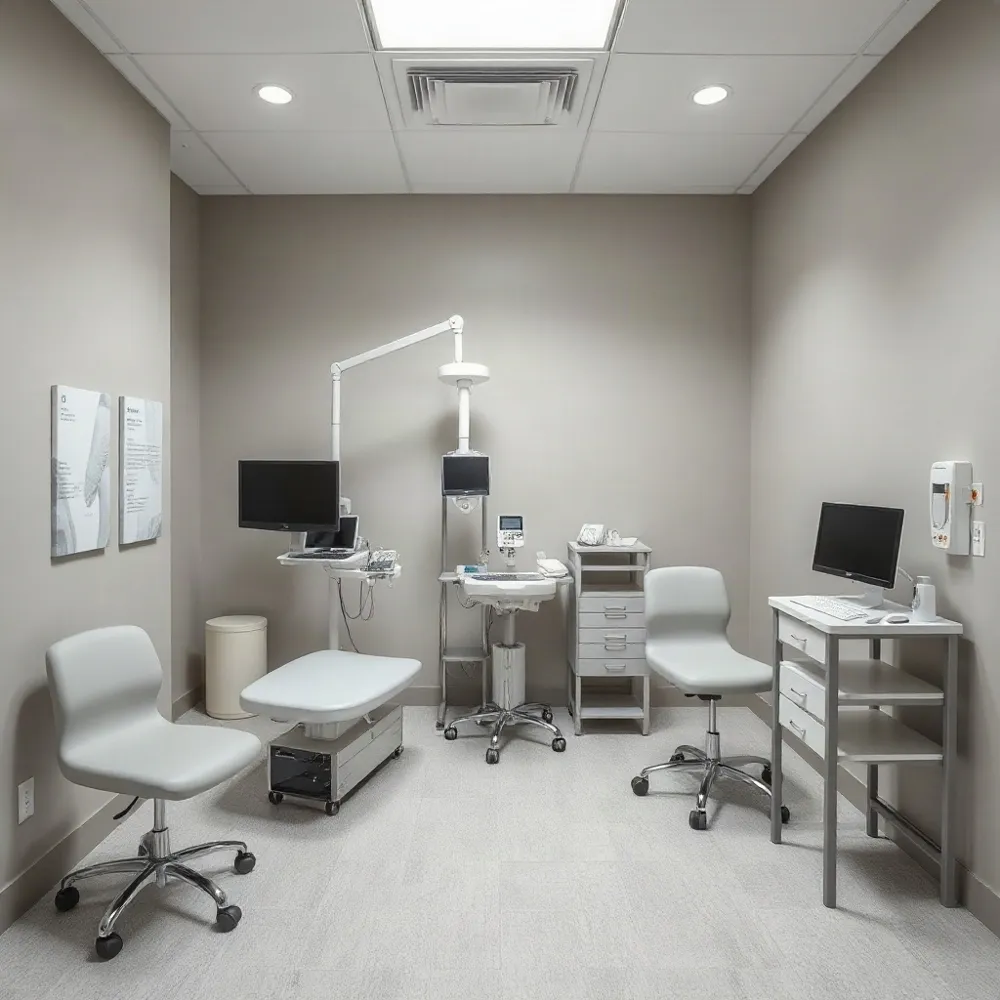 At Lifespring Pain Management Center, a clinician can discuss your concerns and tailor care to your health history and migraine pattern. If Botox is appropriate, treatment involves small injections into muscles around the head and neck, rather than surgery.
A commonly used approach places 31 injections across seven areas, including the forehead, temples, back of the head, and neck and shoulder muscles. The exact plan may vary, since your clinician determines which areas and sites fit your needs. Cleveland Clinic’s overview of migraine Botox describes this injection pattern.
A very small needle is used, and anesthesia is generally not needed. The session commonly takes about 15 to 20 minutes, although appointment times can vary. People often describe the injections as quick pinches or stings. Sensitivity differs, especially when the head or neck is already tender, and some people may have a temporary headache afterward.
If you feel apprehensive, tell your clinician before the procedure and ask what comfort measures may help. Ice may ease soreness for some people; your clinician can advise whether it is appropriate for you. Lifespring’s board-certified physicians provide individualized pain care, so you can raise questions about the injection plan and what to expect before deciding whether to proceed.
Possible Side Effects and Warning Signs
Botox for chronic migraine is intended to help prevent headaches, but like any medical treatment, it can cause side effects. Commonly reported effects include neck pain or stiffness, headache, flu-like symptoms, and pain or bruising around injection sites. These effects are usually mild and temporary, though your experience may differ. Cleveland Clinic’s overview of Botox for migraines describes these common effects and when to contact a provider.
Can Botox for migraine change your appearance?
Some injections are placed in forehead and facial muscles, so temporary changes in movement or expression are possible. You might notice a less mobile forehead, an uneven or raised brow, or, less commonly, a drooping brow or eyelid. These effects are not inevitable and generally improve as the treatment wears off. If you have concerns about facial changes or a previous reaction, discuss them with your clinician before treatment.
Mild soreness or stiffness is different from a warning sign. Seek prompt medical attention for trouble breathing or swallowing, widespread muscle weakness, serious allergic symptoms, or vision changes. Contact your provider about severe or persistent symptoms, including a bad headache, significant injection-site pain, or drooping eyelids. Johns Hopkins Medicine’s guidance on botulinum toxin injections explains that rare effects beyond the injection area can require urgent care.
Before treatment, tell your clinician about medical conditions, all medicines and supplements, and any prior reactions to Botox or similar injections. At Lifespring Pain Management Center, board-certified physicians can review your health history and tailor care to your needs. Sharing this information helps your care team discuss individual risks and what symptoms should prompt a call.
Aftercare and Follow-Up
Most people can leave the office and return to their usual routine soon after Botox treatment for chronic migraine. Injection sites may feel tender, and mild temporary effects can occur. Ask your clinician what to expect and when to contact the care team, and follow their instructions if they differ from general guidance.
The Cleveland Clinic’s aftercare guidance advises not lying down for four hours. For the first 24 hours, avoid exercise or activities that make you sweat, and do not wash, rub, or massage the treated areas. Avoid hair dye or chemical hair treatments within 24 hours before or after treatment.
Relief may not be noticeable right away, so keep a headache diary to record headache days and changes in symptoms. At Lifespring Pain Management Center, follow-up can help the care team review your response and adjust your plan to your migraine pattern and health needs.
Botox effects commonly last about 10 to 12 weeks, and repeat treatment is often scheduled around every 12 weeks when appropriate. Your clinician may change the timing or stop treatment based on how well it is helping. At Lifespring Pain Management Center, treatment decisions are part of individualized, non-surgical pain care, rather than a fixed schedule for everyone.
Understanding Coverage and Out-of-Pocket Costs
There is no single price for Botox treatment for chronic migraine. Your out-of-pocket expense depends on your insurance benefits, deductible, copay or coinsurance, and the separate charges for the medication and injection procedure.
Some insurance plans cover treatment for eligible patients, but coverage is not automatic. Your insurer may require prior authorization and records showing your headache history or previous preventive treatments. Requirements vary, so check them before scheduling.
Ask both your insurer and the clinic for an estimate, including the medication and procedure charges. Lifespring Pain Management Center provides non-surgical care tailored to each patient, and confirming authorization and expected costs in advance can help you make an informed decision.
Manufacturer assistance may be available to some people with eligible commercial insurance. The BOTOX® Complete program has restrictions, may not cover office-visit copays, and generally excludes government-funded insurance. Confirm current eligibility and terms directly with the program before relying on assistance.
Other Paths to Migraine Prevention
Botox is one preventive option for chronic migraine, not the only path. If it is not suitable for you or does not provide enough relief, other approaches may be worth discussing. Lifespring Pain Management Center builds care around an accurate diagnosis and a patient’s health history, rather than relying on a single treatment.
Preventive medicines may include certain blood-pressure, antidepressant, or antiseizure drugs, along with newer treatments that target calcitonin gene-related peptide (CGRP), a molecule involved in migraine signaling. A review of long-term migraine management discusses Botox and CGRP-targeting medicines as distinct preventive options, with the choice depending on individual circumstances. The review also notes that treatment may involve more than one approach.
Some people may consider nerve-stimulation devices or supportive therapies such as relaxation training, mindfulness, and other behavioral approaches. These options can be considered alongside medical care, not as a sign that migraine is simply caused by stress.
The right plan depends on your headache pattern, medical history, previous treatments, and preferences. A clinician can review benefits and risks, adjust a plan, or combine approaches when appropriate. If Botox is not helping enough, you can discuss alternatives rather than continuing a treatment that does not meet your needs. Lifespring’s multimodal care includes options such as nerve blocks and other non-surgical treatments, selected according to a patient’s condition.
A Plan Built Around Your Needs
Botox may help prevent chronic migraine for some adults, but it does not work the same way for everyone, and it is not an immediate treatment for an attack. A qualified healthcare provider can help determine whether it fits your headache pattern and overall health.
Before making a decision, discuss your headache history, treatment goals, medications, possible risks, and other preventive options. At Lifespring Pain Management Center, care is tailored to a person’s health history and migraine pattern, with non-surgical treatments considered as part of an individualized plan.
A headache diary can help you describe how often symptoms occur and how they affect daily life. Bring your questions, including what improvement might look like and when treatment should be reassessed. The American Migraine Foundation’s guidance on Botox also stresses discussing treatment decisions with a clinician.