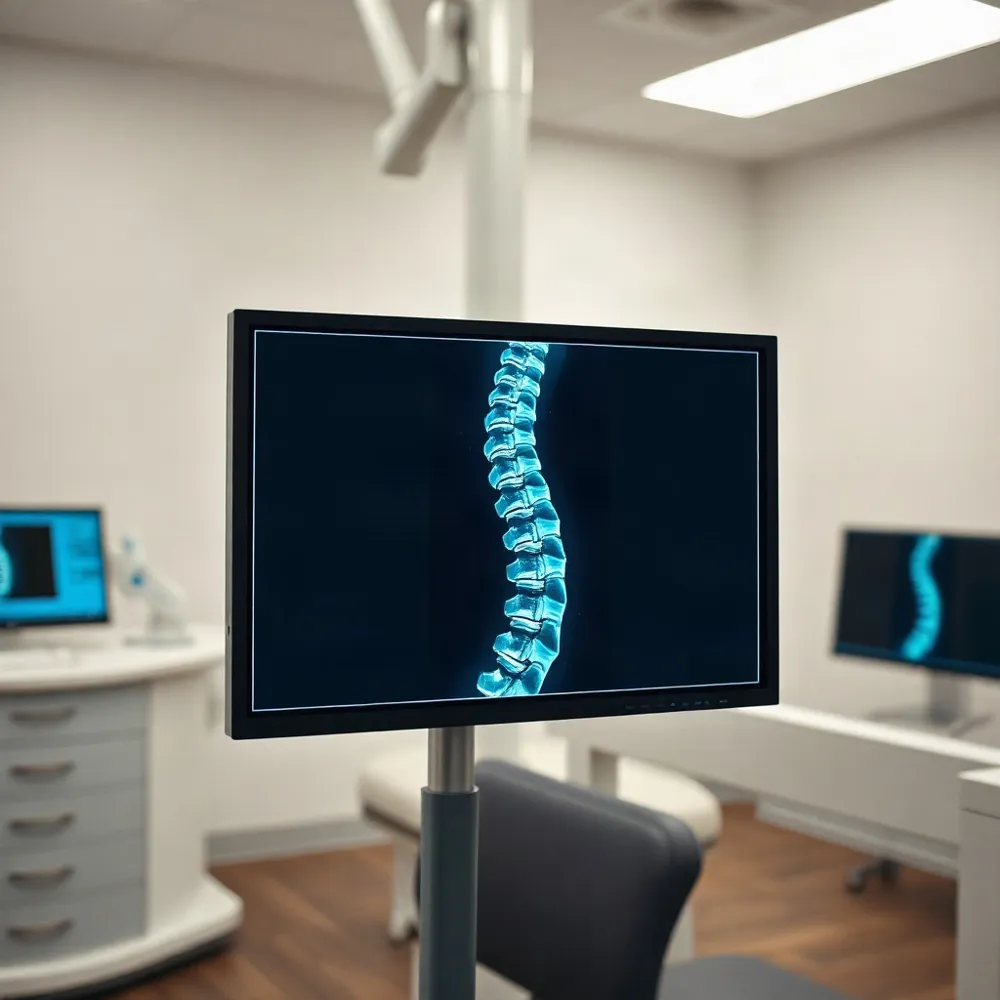
Healing Your Body After a Car Accident
Adrenaline surges during a collision, masking pain, so many injury symptoms surface days later rather than at the scene. Recognizing these delayed signs is the first step toward prompt, non‑surgical care.
Common late‑appearing symptoms include a persistent headache, neck stiffness, shoulder or arm tingling, and increased fatigue.
Why Symptoms Often Appear Later
 After a collision, your body floods with adrenaline and endorphins, which can mask pain for hours or even days. This natural numbing effect means you might feel fine at the scene, only to experience stiffness or soreness once the shock fades. That is why it is wise to seek a professional evaluation soon after any accident, even if you feel okay.
Delayed symptoms are common in conditions like whiplash, which the Cleveland Clinic notes may not appear until 24 to 48 hours after the injury. Inflammation and micro-tears in muscles and ligaments develop gradually, turning a minor fender-bender into a source of chronic neck or back pain. Understanding this progression can help you take proactive steps toward recovery before minor issues become long-term problems.
At Lifespring Pain Management Center in Kaysville, Utah, we help patients recognize and address these late-appearing symptoms before they take hold. Our board-certified physicians perform thorough evaluations to identify injuries that might otherwise go unnoticed, then create a personalized, non-surgical treatment plan tailored to your specific condition and goals.
The First Step: Seek Timely Medical Evaluation
 Patients often ask when they will feel like themselves again after a collision, and the honest answer is: it depends. No two injuries follow the same course. A mild neck strain might ease within days, while a disc injury or nerve irritation can take weeks or months to settle. Rather than getting attached to a single calendar date, it helps to understand the typical phases of healing so you can measure progress realistically and stay motivated through the process.
The first few days after a car accident are usually the most intense. Your body is releasing stress hormones, swelling accumulates, and muscle spasms work overtime to protect an injured area. This is why many people feel significant pain at the outset, even if imaging looks normal. The good news is that this acute phase is also when a well-timed treatment plan can make the biggest difference. Early intervention with non-surgical methods, such as those practiced at Lifespring Pain Management Center, keeps inflammation in check and prevents the protective muscle splinting from turning into a long-term habit.
The Acute Phase: Days One to Fourteen
During the first two weeks, the priority is reducing pain and inflammation while gently restoring normal movement. Many patients notice a clear improvement in symptoms by the end of this window if they stay consistent with their care. A common mistake is stopping treatment too soon, thinking that because the sharpest pain has faded, the injury has healed. In reality, the tissue is still fragile and needs controlled loading to remodel properly. Physical therapy exercises, hands-on care, and activity modification all fall into this category, and they are most effective when started early, which is why Lifespring emphasizes prompt evaluation even when the pain feels mild.
The Subacute Phase: Weeks Two to Six
As the initial inflammation settles, the body moves into the repair phase. Collagen fibers begin to form, but they are disorganized and weaker than normal until they are properly stressed. This is a delicate balance: you want to challenge the tissue enough to promote strong healing, but not so much that you re-injure it. Patients often wonder why their symptoms occasionally flare during this period after they felt better. That fluctuation is perfectly normal and actually a sign of healing, not a setback. A skilled clinician can help you adjust your activity levels and progress your exercises safely, ensuring that you rebuild strength and mobility without pushing into pain.
The Chronic Phase: Beyond Six Weeks
If pain lingers past the six-week mark, it typically becomes what medical providers call chronic, meaning the nervous system has become sensitized and the protective muscle patterns have become more entrenched. At this stage, treatment shifts from tissue healing to retraining how your brain and body perceive movement. Interventions like spinal cord stimulation, radiofrequency ablation, or targeted physical therapy play a larger role because they address the underlying sensitization. Life after this phase is less about waiting for a single magical fix and more about building a sustainable plan that includes strengthening, flexibility work, and lifestyle adjustments. At Lifespring Pain Management Center, this is where the multimodal approach really comes into its own, combining evidence-based techniques to break the cycle of chronic pain rather than simply masking it.
To give you a clearer roadmap, here is how most uncomplicated injuries progress when treated properly:
- Days 1 to 3: Rest, ice, and controlled movement to calm the acute inflammatory response.
- Days 4 to 14: Gradual introduction of gentle range of motion and basic strengthening exercises.
- Weeks 2 to 6: Progressive loading to rebuild tissue strength and restore full joint mobility.
- Weeks 6 to 12: Advanced strengthening and return to normal activities, with ongoing guidance to avoid re-injury.
- Beyond 3 months: Focus on long-term conditioning, ergonomic habits, and flare-up prevention.
Healing is rarely a perfectly straight line, and that is okay. What matters most is having a clear, individualized plan from the start, because delayed treatment can turn a simple strain into a chronic condition that is much harder to resolve. If you are past the point where you expected to be pain-free, or if you never quite recovered after your accident, that is exactly the kind of situation where a comprehensive evaluation at Lifespring Pain Management Center can provide the clarity and direction you need. Understanding where you are in the healing process is the first step, and moving forward with the right support makes all the difference.
What to Do for Back and Neck Pain
 The best course of action after a car accident begins with an accurate diagnosis. A physician who understands the mechanics of collision injuries can identify what is injured, how severe the damage is, and which treatments are most likely to help. Lifespring Pain Management Center in Kaysville, Utah, combines advanced diagnostic tools with a thorough physical exam to build a personalized, non-surgical plan that targets your specific pain generators.
Early treatment matters because some injuries, such as whiplash, may not cause pain right away. Inflammation and muscle spasms can take days to peak. Waiting for symptoms to resolve on their own often leads to chronic pain. A structured treatment plan that begins soon after the accident can reduce the risk of long-term disability and help you return to your normal routine faster.
Common Non-Surgical Treatment Options
Many car accident injuries respond well to conservative care. Physical therapy, chiropractic adjustments, therapeutic massage, and targeted exercises are used to restore mobility and strength. For example, gentle stretching for the neck can ease whiplash discomfort, and graded activity helps retrain muscles after a collision. Lifespring Pain Management Center offers a range of non-invasive therapies, including spinal cord stimulation, epidural and nerve block injections, and platelet-rich plasma therapy, to address both acute and chronic pain.
Physical therapy. Guided exercises and manual techniques that improve range of motion, strengthen weak muscles, and reduce stiffness without surgery.
Chiropractic care. Spinal adjustments that realign the spine, which can relieve nerve compression and reduce referred pain.
Massage therapy. Soft-tissue work that eases muscle spasms, improves circulation, and lowers stress after trauma.
Interventional injections. Epidural or nerve block injections deliver medication directly to the painful area, calming inflammation and allowing therapy to progress.
Self-care and exercises. Safe movements and posture tips you can do at home to complement clinic-based treatments and maintain progress.
Unlike rushed, one-size-fits-all approaches, Lifespring Pain Management Center builds a program around your specific injury pattern, pain level, and goals. The team’s board-certified physicians work with you to reduce reliance on medication and avoid invasive surgery whenever possible. This patient-first approach is why so many residents of Kaysville, Ogden, Layton, Farmington, Roy, and Salt Lake City choose Lifespring for their recovery.
What to Expect During Your Evaluation
Your first visit at Lifespring Pain Management Center includes a detailed history of the accident, a review of any imaging you have, and a movement-based examination. The provider will assess your range of motion, nerve function, and muscle strength to pinpoint the source of pain. From there, you receive a clear explanation of your condition and a step-by-step treatment plan that you can start right away.
We help you understand every part of your recovery, from what to expect during each session to how long it may take to feel significant relief. The goal is not just to mask symptoms, but to restore function so you can get back to the activities you love without fear of pain.
| Approach | Typical Use | Key Benefit |
|---|---|---|
| Physical therapy | Muscle weakness, stiffness | Restores strength and mobility |
| Chiropractic care | Spinal misalignment | Relieves nerve compression |
| Massage therapy | Muscle spasms, stress | Promotes relaxation and blood flow |
| Nerve blocks | Acute pain flares | Provides short-term pain relief |
| PRP therapy | Tissue damage | Supports natural healing |
Non-surgical treatments for car accident injuries are effective for many people. The right choice depends on what is causing your pain and how your body responds to therapy. For example, a whiplash diagnosis may benefit from early movement and exercises, while persistent nerve pain might respond to epidural injections. Your provider will guide you toward the least invasive option that offers the most relief.
Recovery from a car accident takes time and consistency. With the right support, most people see significant improvement within weeks. Lifespring Pain Management Center is here to help you navigate your recovery with compassion and expertise. Contact us today to schedule your evaluation and start your journey toward lasting relief.
How Non-Surgical Treatments Help You Heal
 After a car accident, the body's natural adrenaline response and the shock of the impact can mask pain signals, allowing you to feel fine for hours or even days. Once the adrenaline fades and muscles begin to tighten and swell, latent injuries like whiplash, soft tissue damage, or concussions start to surface. For this reason, many people delay care, only to find that their pain worsens over time and becomes more complex to treat.
The Adrenaline Effect and Pain Masking
Immediately after a crash, your body releases stress hormones that dull pain perception, helping you power through the moment. However, this same system can hide real tissue damage. Once the adrenaline wears off, typically a few hours later, inflammation and muscle spasms surge, bringing the pain into sharp focus. That's why a seemingly minor fender bender can turn into significant neck or back discomfort within 24 to 48 hours.
Common Delayed Injuries You Might Miss
Some of the most frequent post-accident injuries are slow to announce themselves. Whiplash, a soft tissue injury to the neck, is a prime example; its stiffness and pain often peak days later. Other delayed conditions include herniated discs, which can produce radiating numbness or weakness. Even if you feel fine, seeing a specialist early can catch these problems before they become chronic.
- Neck stiffness or reduced range of motion, sometimes worse the next day
- Headaches starting at the base of the skull, a hallmark of whiplash
- Numbness or tingling in the arms or hands, suggesting nerve involvement
- Persistent fatigue, concentration issues, or sensitivity to light, which may indicate a mild concussion
Why Waiting Makes Things Worse
Delaying evaluation can turn a simple sprain into a chronic condition. Untreated scar tissue forms as damaged tissue heals incorrectly, and the brain can become hypersensitized to pain signals. According to the Mayo Clinic, early diagnosis and treatment of whiplash is linked to better recovery outcomes. At Lifespring Pain Management Center in Kaysville, Utah, a board-certified team uses a multimodal approach, from spinal cord stimulation to nerve blocks, to address both physical and emotional pain, helping you avoid invasive surgery and reduce reliance on medication.
Even if your symptoms are mild, a professional evaluation provides peace of mind. The team at Lifespring offers non-surgical, personalized treatment plans that include platelet-rich plasma therapy, radiofrequency ablation, and physical therapy, ensuring your recovery matches the specific mechanics of your injury. Don't wait for the pain to become your new normal; prompt care is the most effective way to restore mobility and hope after an accident.
| Injury | Typical Onset | Common Symptoms |
|---|---|---|
| Whiplash | 12-48 hours | Neck pain, stiffness, headache |
| Soft tissue damage | Within 1-2 days | Tenderness, swelling, bruising |
| Herniated disc | Days to weeks | Radiating pain, numbness, weakness |
Exercises and At-Home Care for Healing
 As your pain eases, gentle movement becomes an important part of recovery. Exercise after a car accident helps restore blood flow, reduce stiffness, and rebuild strength in the muscles that took the impact. Starting slowly and paying attention to your body's signals is the key, because pushing too hard too soon can set your recovery back.
A licensed physical therapist can design a program tailored to your specific injury, but there are also simple, safe exercises you can begin on your own. These focus on the neck, back, and shoulders, the areas most often affected by whiplash and other auto accident injuries. For a guided approach, 5 Safe Whiplash Exercises to Relieve Neck Pain at Home offers a helpful starting point.
Neck Stretches
Gentle neck stretches help relieve the muscle spasms and tightness common after a collision. Sit up straight, slowly tilt your head toward one shoulder until you feel a mild stretch, and hold for 15 to 30 seconds. Repeat on the other side. Always move within a pain-free range, and stop if the stretch causes sharp or shooting pain.
Shoulder Rolls and Chin Tucks
Shoulder rolls loosen the upper back and shoulder muscles that often tighten up after an accident. Roll your shoulders up, back, and down in a slow, circular motion. Chin tucks strengthen the deep neck flexors and improve posture. Simply pull your chin straight back, as if making a double chin, hold for a few seconds, and relax. These movements help counteract the forward-head posture that develops during healing.
What to Avoid and When to Get Help
Avoid any movement that involves heavy lifting, twisting, or sudden impact until your doctor or therapist clears you. Also steer clear of high-impact activities like running or jumping, which can jar the spine. If an exercise increases your pain, or if you feel dizzy, nauseated, or develop numbness or tingling, stop immediately and contact a professional.
At Lifespain Pain Management Center, we emphasize a personalized, non-surgical approach to healing. Our team can assess your specific limitations and guide you through the right exercises and treatments to restore your strength and mobility safely. For additional support, Non-Surgical Treatments for Severe Neck Pain from Whiplash and Physical Therapy for Motor Vehicle Accident Recovery offer more strategies that align with our care philosophy.
When to Seek Professional Care for Lingering Pain
 Once the immediate pain begins to settle, your focus should shift from simply managing the moment to building a strategy for full, lasting recovery. The days and weeks after a car accident are critical for preventing short-term injuries from turning into chronic conditions. A structured plan that includes medical follow-ups, appropriate movement, and attention to both physical and emotional health can make the difference between a quick comeback and a long, frustrating road.
At Lifespring Pain Management Center, this long-term view starts with accurate diagnosis. The clinic's board-certified physicians take the time to identify every contributing factor to your pain, creating a personalized plan that goes beyond masking symptoms. This approach is designed to restore mobility, hope, and dignity, helping you return to the life you enjoyed before the accident.
Why Symptoms Often Appear Late
Adrenaline and the body's natural pain-dulling endorphins can mask injuries in the immediate aftermath of a crash. It is common for soreness, stiffness, and even radiating pain to set in days later. This delayed appearance makes it easy to underestimate the severity of an injury, which is one reason why some patients do not seek care until the pain becomes persistent.
Understanding this is the first step. If you were in a motor vehicle accident and have any concern, even if you feel fine, a comprehensive evaluation within the first week is a wise investment in your health. Early intervention is far less complicated than treating a condition that has had time to become chronic.
Building a Recovery Timeline That Works
The first few days are about protecting the injured area with rest and gentle care, but prolonged inactivity works against you. As you move through the second and third weeks, the goal is to introduce safe, guided movement. Physical therapy often begins here, and programs designed for auto accident recovery focus on restoring range of motion and strengthening the muscles that support your spine and neck. The American Association of Neurological Surgeons notes that while most whiplash injuries heal within a few weeks, some patients continue to experience pain for several months or longer, making a monitored plan essential.
Here is a typical framework for a non-surgical recovery plan, which you can expect to customize with your care team at Lifespring Pain Management Center:
- The initial 48 to 72 hours: Focus on managing acute swelling and pain with ice, gentle rest, and over-the-counter anti-inflammatories as directed by a professional.
- Weeks one to two: Begin light, supervised range-of-motion exercises to prevent stiffness. A physical therapist can teach you safe movements that do not aggravate the injury.
- Weeks three to four: Introduce more specific strengthening exercises for the neck, back, and core. This is a critical period to correct movement patterns that could lead to future pain.
- Week five and beyond: Focus on functional exercises that mimic your daily activities, sports, or work tasks, ensuring your body can handle the physical demands you place on it.
While some cases require a referral to a specialist or imaging such as an MRI, most soft tissue and nerve-related injuries from a car accident respond well to conservative care. If you are experiencing severe or persistent pain, or symptoms like numbness, tingling, or weakness, these are signs you should not wait out.
Treating the Root Cause, Not Just the Symptom
Non-surgical treatments form the backbone of a long-term recovery plan. For example, physical therapy is a cornerstone for restoring function after a car accident, and this approach also holds true for other injuries. A structured program guided by a specialist can address muscle imbalances and weakness that cause pain to linger.
Physical Therapy. A doctor-designed exercise and manual therapy program to restore strength, flexibility, and range of motion, which is essential for preventing re-injury.
Chiropractic Adjustments. Gentle, targeted adjustments to the spine can help correct misalignments caused by the impact, reducing nerve irritation and improving joint function.
Soft Tissue Massage. Working on the muscles and fascia around the injured area helps break up scar tissue, improve blood flow, and relieve muscle spasm.
Lifespring's Approach. Lifespring Pain Management Center personalizes these modalities into a single, cohesive plan, combining expertise with a heart-centered, compassionate approach. This means your plan is built around your specific injury, not a generic protocol.
For many, a simple over-the-counter pain reliever like ibuprofen helps with pain and inflammation in the initial stages. However, relying solely on medication can leave a mechanical problem unaddressed. A plan that combines manual therapy with active exercise is more effective at resolving the underlying dysfunction.
Your Body's Full Recovery Tools
Beyond the clinic, your daily habits significantly influence your healing. Sleep, hydration, and nutrition play a foundational role in decreasing inflammation. Practicing good posture while sitting, especially if you work at a desk, reduces stress on a recovering neck and back. Your care team should coach you on how to modify your activities to support, not sabotage, your recovery.
| Phase | Timeline | Focus | Lifespring's Role |
|---|---|---|---|
| Initial | 0 to 72 hours | Manage pain, reduce swelling | Professional guidance on ice/rest, gentle stretches to avoid stiffness |
| Sub-acute | 1 to 3 weeks | Restore range of motion | Supervised physical therapy to reduce muscle spasm and pain |
| Recovery | 3 to 6 weeks | Strengthening | Targeted exercises for neck, back, and core to prevent recurrence |
| Long-term | 6+ weeks | Functional training | Personalized program to return to work and daily activities safely |
If your recovery stalls, or if you feel you have hit a plateau, do not ignore it. Persistent pain is a sign your body is not healing optimally. At Lifespring Pain Management Center, the process is designed to adapt to your progress, adjusting your plan to keep moving you toward a pain-free life. Recovery is a process, and it is one you do not have to undertake your own. Lifespring Pain Management Center can help you every step of the way, ensuring you are not just treating the accident, but healing from it.
Staying Consistent with Your Recovery Plan
 After a car accident, it is common to walk away feeling fine, only to develop pain hours or days later. The body's natural adrenaline response can mask injuries, and their onset is often delayed. Understanding why this happens can help you avoid the dangers of ignoring early warning signs.
The Role of Adrenaline and the Body's Natural Painkillers
In the immediate aftermath of a crash, your body releases adrenaline and endorphins, which can temporarily blunt pain. Whiplash and other soft tissue injuries may not cause noticeable discomfort until these natural painkillers wear off. This is why you might not feel the full extent of your injuries until you have rested and the shock has subsided.
As the initial surge fades, inflammation and swelling set in, often leading to stiffness and pain over the following days. According to the Mayo Clinic, whiplash symptoms can take up to 24 hours or more to appear, making it especially important to seek evaluation quickly, even if you feel fine right after the accident.
Varied Symptom Timing in Different Injuries
Not all injuries follow the same timeline. Some, like fractures or internal injuries, may cause symptoms immediately, while soft tissue damage such as whiplash or spinal strain may take longer to manifest. Understanding the typical delay can help you recognize when pain is more than just soreness.
- Immediate symptoms: sharp pain at the site of impact, difficulty moving a limb, or visible bruising.
- Delayed symptoms (within hours): headache, neck stiffness, dizziness, or shoulder pain.
- Symptoms appearing days later: numbness, tingling in the arms or legs, or radiating back pain.
If you notice any of these signs but are unsure whether they warrant attention, it is wise to err on the side of caution. The earlier you seek medical care, the sooner you can address potential problems with non-surgical treatments that can prevent chronic conditions from developing.
The Risk of Untreated Injuries
Delaying treatment can lead to chronic pain that lasts for months or longer. According to physical therapy experts, initiating care soon after an accident not only helps manage pain but also promotes faster and more complete recovery. At Lifespring Pain Management Center, we work with patients in Kaysville and surrounding areas to develop personalized recovery plans that address both immediate and delayed symptoms.
Our approach includes advanced, non-surgical methods such as spinal cord stimulation and targeted injections that are designed to reduce pain and improve mobility without the need for invasive surgery. By understanding why your symptoms did not appear right away, you can take proactive steps to protect your health and quality of life.
Your Path to a Pain-Free Life
After a car accident, some injuries announce themselves right away, while others stay quiet for days. Whiplash, a soft tissue injury from the rapid back-and-forth motion of the neck, is one of the most common hidden issues. Symptoms like neck pain, stiffness, headaches, and dizziness can take 24 to 48 hours to surface. The Mayo Clinic notes that whiplash often results from rear-end collisions and may not be immediately obvious. Ignoring these early warning signs can delay treatment and prolong discomfort.
Other subtle problems, such as concussions, herniated discs, or nerve damage, may also develop gradually. A thorough evaluation soon after the accident helps identify these issues before they worsen. At Lifespring Pain Management Center, board-certified physicians conduct a detailed assessment to pinpoint the origin of your pain, ensuring that no hidden injury goes unnoticed.
If symptoms do appear, seeking medical care promptly is critical. Early intervention with physical therapy for motor vehicle accident recovery can prevent chronic pain and speed up healing. The University of Utah Health explains that untreated whiplash can lead to long-term stiffness and reduced mobility.
The Dangers of Delayed Symptoms
Delayed symptoms are dangerous because they can mask the true extent of your injuries. Numbness, tingling in the arms, blurred vision, or tinnitus may emerge days later, and without proper diagnosis, they can worsen. The Cleveland Clinic warns that whiplash can cause chronic pain if left untreated. Recognizing these signs early allows for a targeted treatment plan, such as the non-surgical options Lifespring Pain Management Center offers, including epidural injections or radiofrequency ablation, to address the root cause rather than just the symptoms.
Ignoring persistent pain often pushes patients toward painkillers or invasive procedures. Lifespring Pain Management Center provides a different path. Instead of masking pain, their personalized, multimodal approach restores function and mobility. Unlike practices that rely solely on medication, Lifespring emphasizes accurate diagnosis and non-surgical, FDA-approved therapies, reducing your reliance on drugs and avoiding the need for surgery.
| Symptom | Common Presentation | Why It Matters |
|---|---|---|
| Neck pain and stiffness | Ongoing ache, reduced range of motion | Early whiplash indicator; treatable with physical therapy |
| Headaches | Starting at the base of the skull | May signal vertebrae misalignment or muscle strain |
| Dizziness | Feeling lightheaded or unsteady | Often tied to neck injury; may indicate inner ear or nerve involvement |
| Numbness or tingling | In arms or hands | Suggests nerve irritation or herniated disc; requires prompt evaluation |
| Blurred vision | Difficulty focusing | Rare but can follow head trauma; needs immediate medical attention |
Tracking your symptoms and seeking prompt care at Lifespring Pain Management Center ensures a smoother recovery. With clinics in Kaysville and serving the greater Salt Lake area, they offer a supportive environment where your healing is the priority. If you suspect a hidden injury after your accident, don't wait for symptoms to worsen. Reach out to a specialist who understands the importance of early, non-surgical intervention.