Why Accurate Diagnosis Matters After a Car Accident
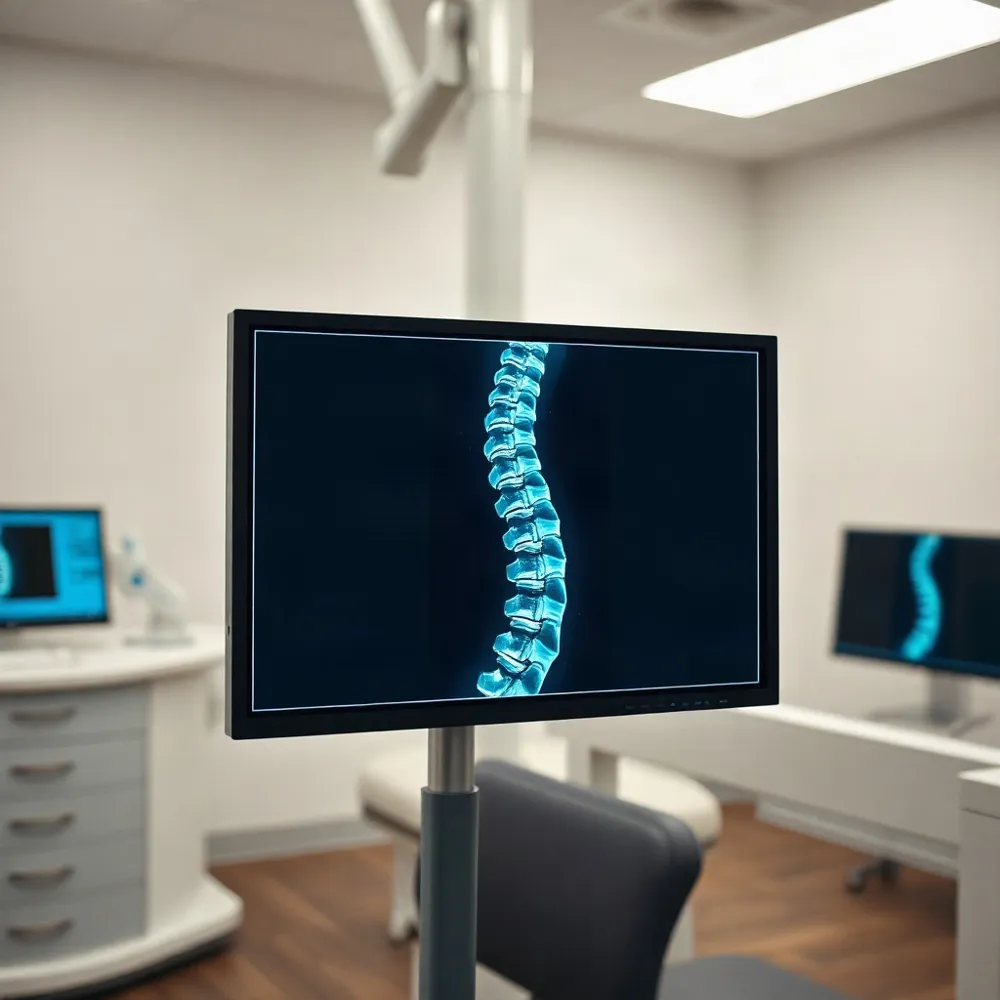
After a car accident, the body’s adrenaline can mask pain, leaving many injuries—such as whiplash, ligament damage, or spinal instability—hidden and undetected. Relying solely on how you feel in the immediate aftermath can delay a precise diagnosis, turning a manageable issue into a chronic condition. An accurate diagnosis is the cornerstone of effective non-surgical treatment; without it, you risk receiving care that addresses symptoms rather than the root cause, potentially leading to lasting functional decline. Early and thorough imaging, including advanced options like Digital Motion X-ray, can reveal subtle injuries static scans miss. This proactive approach not only guides a personalized recovery plan but also safeguards your long-term mobility and well-being. Your path to healing begins with understanding exactly what’s wrong.
Normal Soreness vs. Warning Signs

Limitations of Static Imaging
When you’re hurting after an accident, standard imaging like X-rays, CT scans, and MRIs often feel reassuring—but they have a critical blind spot. X-rays, for instance, are excellent at revealing fractures or dislocations, yet they simply can’t show damage to muscles, ligaments, or tendons. CT scans step up with detailed cross-sectional views, making them useful for spotting internal bleeding or complex fractures, but they still offer only a snapshot in time. They cannot show how your spine moves or where instability might lurk during motion. MRIs, while superb for visualizing soft tissues like discs and nerves, also share this static limitation. They can’t capture what happens when you tilt your head or twist your back—moments when injury-related pain often flares. For many accident victims, this means a “normal” scan can still leave you in pain, because the root cause only appears during movement. Understanding these gaps is the first step toward finding the true source of your discomfort.
What Is Digital Motion X-ray?
Injuries DMX Can Reveal
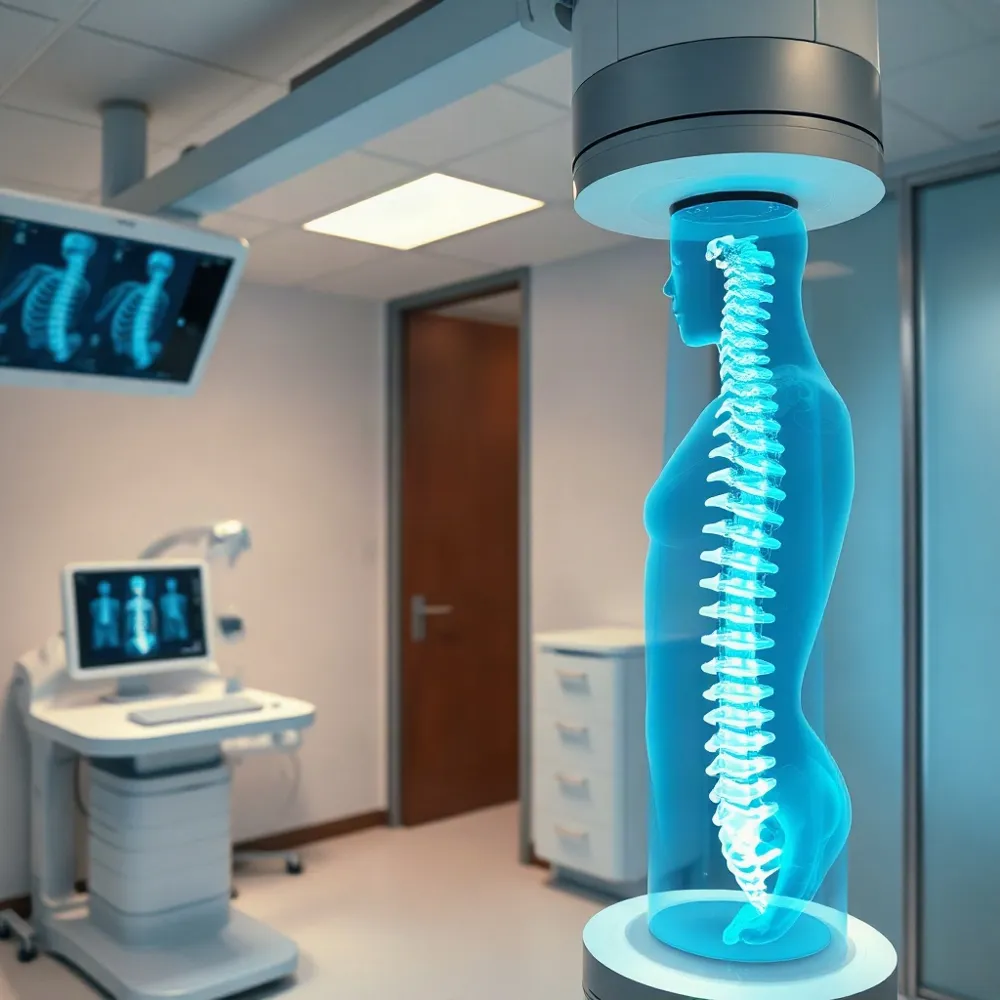
Digital Motion X-ray excels at uncovering injuries that static scans miss. It can reveal subtle ligament damage—like sprains or tears in the neck’s supportive tissues—that might otherwise go unnoticed. It also exposes spinal instability, where vertebrae shift abnormally during movement, and cervical hypermobility, an excessive range of motion often linked to whiplash. Even disc herniations and misalignments masked in resting positions become visible under motion. These findings are essential for creating an accurate, targeted treatment plan.
Real-World Success With DMX

The Role of MRI in Diagnosis
Why CT Scans Are Still Useful
While CT scans can’t show how your spine moves, they remain essential when trauma is severe. These scans create detailed cross-sectional images of bones and soft tissue, making them highly effective at spotting complex fractures, internal bleeding, or organ damage—injuries that might be life-threatening. If you’re dealing with intense pain or other red flags after a crash, a CT scan can quickly rule out emergencies and provide the clarity needed to move forward safely. Think of it as a vital first step: it helps rule out the worst, while other imaging tools like DMX or MRI can then focus on the subtle injuries that may otherwise go unnoticed.
The Risk of Misdiagnosis

When to Seek Medical Attention

The Path to Non-Surgical Relief
Once your injury is accurately identified, a personalized, non-surgical treatment plan can be developed. At Lifespring Pain Management Center, we use advanced diagnostics like DMX to pinpoint the exact source of your pain, guiding effective therapies such as physical rehabilitation, chiropractic care, and targeted injections—all without resorting to surgery. This approach addresses the root cause, not just symptoms, helping you recover safely and avoid unnecessary procedures.
Putting Your Recovery First
Comprehensive imaging is key to uncovering the hidden injuries that often follow a car accident. Persistent pain should never be ignored—it's your body's signal that something needs attention. At Lifespring Pain Management Center, we are dedicated to providing accurate diagnosis and personalized, non-surgical treatment that addresses the root cause of your discomfort. By prioritizing your recovery and seeking appropriate care, you can move forward with confidence, knowing that every step we take together is designed to help you heal and restore your quality of life.