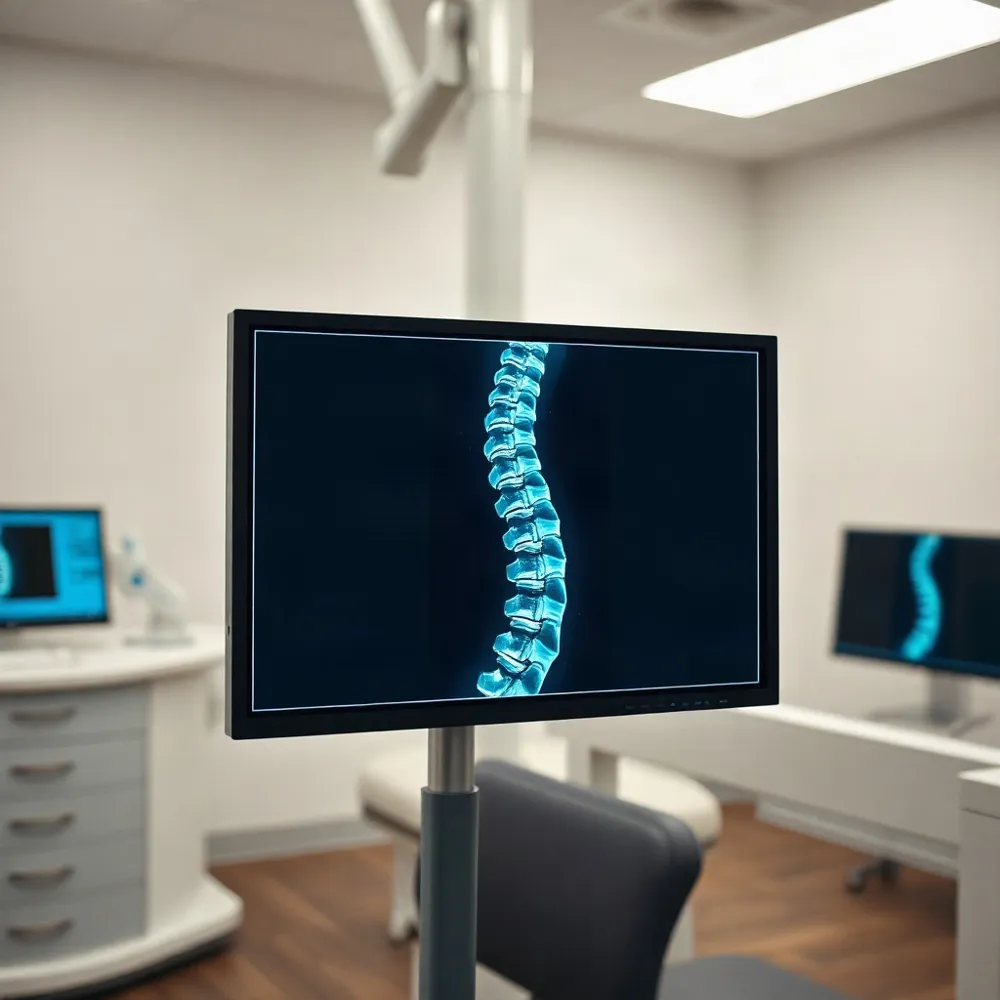
Why Board Certification Matters in Your Search for Pain Relief
Chronic pain affects nearly one in four American adults, according to the Centers for Disease Control and Prevention. Finding the right specialist is critical to reclaiming your quality of life.
Board certification is a benchmark for a physician's specialized qualifications and commitment to standard-of-care excellence. A board-certified pain specialist has undergone advanced fellowship training and demonstrated expertise in evaluating, diagnosing, and treating complex pain conditions.
Lifespring Pain Management Center in Kaysville, Utah, offers this level of expertise with board-certified physicians who provide compassionate, non‑surgical pain relief. Choosing a board-certified provider means choosing a physician with rigorous training and a dedication to evidence‑based care.
What Is Non-Surgical Pain Management and When Should You Consider It?
 Non-surgical pain management is a branch of medicine that treats chronic pain using advanced, minimally invasive techniques instead of surgery. Rather than relying on a single approach, it uses a multimodal strategy—combining procedures, therapies, and lifestyle changes—to address the root cause of pain. Common treatments include spinal cord stimulation, epidural and nerve block injections, platelet-rich plasma (PRP) therapy, radiofrequency ablation (RFA), and Botox for chronic migraines.
These procedures are designed to reduce inflammation, block pain signals, and promote natural healing. The goal is not simply to mask symptoms but to restore function and improve quality of life. At Lifespring Pain Management Center, board-certified physicians use FDA-approved therapies to create a personalized treatment plan that helps you regain mobility without the risks and lengthy recovery of surgery.
So when is it time to consider this approach? If you have been dealing with chronic pain for weeks or months—whether it is back pain, neck pain, migraines, joint pain, neuropathy, sciatica, or fibromyalgia—and standard treatments have not brought relief, non-surgical pain management may be the right next step. It is also a strong option if you want to avoid surgery or reduce your reliance on pain medications.
Many patients worry that choosing non-surgical care means settling for less effective relief. In reality, a properly designed multimodal plan can be highly effective. Lifespring’s approach combines precise, targeted procedures with supportive therapies, giving you an active role in your recovery. Whether your pain stems from a herniated disc, arthritis, or nerve damage, the focus is on treating the whole person, not just the symptom.
How to Choose the Right Pain Management Doctor
 Finding the right doctor for chronic pain can feel overwhelming. The most direct first step is to start with a referral from your primary care physician, who knows your medical history and can recommend a specialist whose expertise matches your condition.
Look for a board‑certified physician specializing in interventional pain management. Board certification from a body such as the American Board of Pain Medicine or the American Board of Physician Specialties signals that the doctor has completed advanced fellowship training and remains current with evolving standards of care.
When you narrow your search, review the clinic’s website and patient reviews to confirm they offer the range of non‑surgical, FDA‑approved therapies you may need. At Lifespring Pain Management Center, for example, treatments include spinal cord stimulation, epidural and nerve block injections, platelet‑rich plasma (PRP) therapy, radiofrequency ablation, and Botox for chronic migraines — all part of a personalized, multimodal approach that treats the whole person, not just the symptoms.
Financial and practical factors are equally important. Verify the practice accepts your insurance to avoid unexpected costs. Also consider clinic location, appointment availability, and scheduling flexibility — especially if you travel from communities such as Ogden, Layton, or Farmington. Lifespring’s Kaysville office sits just off I‑15, making it easily accessible for patients throughout Northern Utah.
Ultimately, the right doctor is one who combines advanced technical skill with a compassionate, heart‑centered approach. When you find a physician who listens, takes time to diagnose the root cause, and invites you to be an active member of your own care team, you’ve found a true partner in your journey toward lasting relief.
Qualifications and Board Certifications in Pain Medicine
 When searching for a pain management specialist, you want someone who has met rigorous standards of training and knowledge. Board certification is the clearest sign that a physician has achieved that level of expertise. Recognized bodies such as the American Board of Pain Medicine and the American Board of Physician Specialties provide certifications that require physicians to complete advanced training and pass comprehensive exams. This process ensures they have mastered the diagnosis and treatment of complex pain conditions.
The Path to Becoming a Pain Specialist
Becoming a pain medicine specialist involves a significant commitment of time and effort. After earning a medical degree, physicians complete a residency in a core specialty such as anesthesiology, physical medicine and rehabilitation, or neurology. They then pursue an additional one-year fellowship focused specifically on pain medicine, where they gain hands-on experience with advanced interventional techniques. This training path typically spans 10 to 12 years after college.
What Board Certification Means for Your Care
Board certification demonstrates that a physician has met specialized standards and is committed to staying current in the field. For example, the American Board of Pain Medicine now offers a 'Continuing Certification in Pain Medicine' model, which requires ongoing learning through quarterly modules to keep physicians up to date with the latest treatments. Choosing a board-certified specialist gives you added confidence that your care plan is backed by current, evidence-based practice.
At Lifespring Pain Management Center, Dr. Kris Obah is double board-certified in Interventional Pain Medicine and Internal Medicine. He completed his fellowship at the University of Utah, where he received the Best Patient Satisfaction Award. His training includes advanced techniques in interventional pain medicine.
Board Certification. A credential from ABPM or ABPS that requires passing a comprehensive exam and demonstrates mastery in pain medicine.
Fellowship Training. An additional year (or more) of specialized, hands-on training in pain management after a primary residency.
Continuing Certification. Ongoing education requirements, such as ABPM’s quarterly learning modules, ensure physicians stay current.
What to Expect from Interventional Spine and Pain Management
If you have been living with persistent pain that limits your daily activities, you may be wondering if interventional spine and pain management is right for you. This is a specialized field of medicine that uses minimally invasive techniques to diagnose and treat chronic pain. Rather than simply masking symptoms with medication, these image-guided procedures — such as nerve blocks, epidural steroid injections, and radiofrequency ablation — target the root cause of pain to provide longer-lasting relief and help restore function.
Interventional pain management treats a wide range of conditions. At Lifespring Pain Management Center in Kaysville, Utah, the board-certified team addresses persistent back and neck pain, nerve-related pain like sciatica, headaches and migraines, joint pain, diabetic neuropathy, and even facial pain syndromes such as trigeminal neuralgia. Each treatment plan is personalized, combining medical precision with a compassionate, patient-centered approach.
Preparing for Your First Appointment
Your first visit is an opportunity for the doctor to understand your full story. The initial consultation at Lifespring typically lasts 45 to 60 minutes and includes a deep dive into your medical history, a comprehensive physical assessment, and a discussion about how pain affects your daily life. To make the most of this visit, bring any recent imaging results (such as MRIs or X-rays), a complete list of medications and supplements, and be ready to describe your pain levels and goals. Many patients find it helpful to bring a supportive family member or friend who can offer additional perspective.
Effective communication with your pain doctor is essential. Be transparent about your symptoms, what you have tried before, and how discomfort impacts your ability to work, sleep, or spend time with loved ones. Avoid saying things like "I just need painkillers" or "Nothing else works" without discussing what you have tried, as this can signal you are seeking drugs rather than comprehensive care. Instead, focus on being honest about your efforts and goals so your doctor can tailor a safe, effective plan for you.
At Lifespring, the goal is to develop a treatment plan that reduces pain, improves mobility, and restores quality of life without relying on invasive surgery. By asking the right questions and partnering with your care team, you take an active role in your own recovery journey.
Finding Non-Surgical Pain Relief Near Kaysville, Utah
If you live in or near Kaysville, you don’t have to travel far to find non-surgical care. Lifespring Pain Management Center is located at 275 W 200 N, Suite 7, just off I-15 at the Kaysville exit, serving Ogden, Layton, Farmington, Roy, and Salt Lake City.
The clinic offers a full spectrum of non-surgical treatments tailored to your condition. Options include spinal cord stimulation for persistent back pain, epidural and nerve block injections to reduce inflammation, platelet-rich plasma (PRP) therapy to support natural tissue repair, radiofrequency ablation (RFA) to quiet painful nerves, and Botox for chronic migraines. Each treatment plan is built around an accurate diagnosis and your personal goals.
The clinic’s board-certified physicians focus on avoiding surgery and reducing medication reliance, using a comprehensive care model that addresses your overall well-being.
To learn more about your options, schedule a consultation at Lifespring by calling 801-546-1300. The office is open Monday through Thursday, 7:30 AM to 5:00 PM. Your first appointment typically lasts 45–60 minutes and includes a thorough review of your history, imaging, and a physical assessment to identify the source of your pain.
Take the First Step Toward Lasting Pain Relief
Choosing a pain specialist comes down to a few essential factors: board certification, fellowship training, and a compassionate, patient-centered approach. These credentials mean your provider has met rigorous standards and focuses on giving you personalized, non-surgical care.
Your journey to relief starts with an accurate diagnosis and a treatment plan built around you. At Lifespring Pain Management Center in Kaysville, board-certified physicians take the time to understand your pain and create a tailored plan using advanced, FDA-approved therapies.
Effective non-surgical care is available, and hope is within reach. If you are ready to take control of your health again, schedule a consultation with a board-certified pain specialist to discuss your unique needs and begin the path toward a better quality of life.