
A More Personal Approach to Pain
Persistent pain can reach into nearly every part of the day. It may make walking, sleeping, or keeping up at work harder, while also affecting mood and time with family. If this is familiar, your experience deserves careful attention, not a one-size-fits-all answer.
Non-surgical care offers options to discuss, but no treatment works for everyone, and relief may be partial. A 2024 review of multimodal pain treatment found potential quality-of-life benefits while noting that results varied across studies. That uncertainty is one reason to set practical goals and review how a plan is working.
At Lifespring Pain Management Center in Kaysville, care begins with understanding your pain, health needs, and priorities. Board-certified physicians can consider a personalized mix of non-surgical options, with the aim of supporting movement and daily function as well as pain relief. A thoughtful plan starts with listening and matching care to the person.
How Interventional Care Fits the Bigger Picture
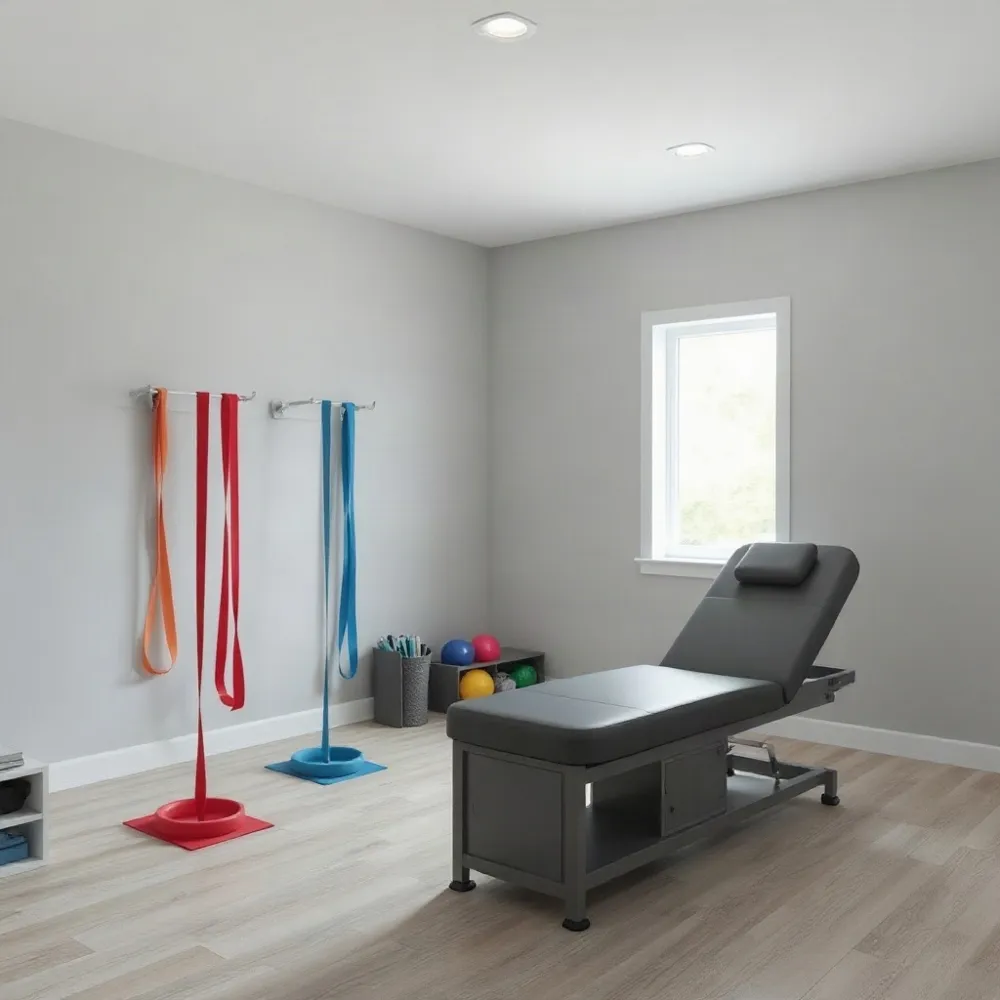 General pain management can include medication, physical rehabilitation, activity guidance, and support for the emotional strain pain may bring. Interventional pain management is a specialized part of that care, using targeted procedures when an evaluation suggests a particular source of pain.
These procedures may include injections, nerve blocks, or radiofrequency ablation, which uses heat to disrupt pain signals from selected nerves. They are not a substitute for every other form of care. A clinician may combine a procedure with rehabilitation and medication guidance, based on your diagnosis, health history, and preferences. Interventional pain management emphasizes individualized decisions, since results vary and some treatments provide temporary relief.
At Lifespring Pain Management Center in Kaysville, board-certified physicians use accurate diagnosis to guide options such as epidural injections, nerve blocks, and radiofrequency ablation. A useful plan also starts with what you want to do more comfortably, whether that means walking, sleeping, or returning to daily activities. Shared decision-making helps weigh likely benefits, limitations, and alternatives before choosing a procedure.
A review of interdisciplinary treatment found improvements in pain and some aspects of physical function compared with usual care, but the studies differed substantially, making the size and durability of benefits uncertain. The findings support considering coordinated care without treating any one approach as a guarantee of relief (review of multimodal pain treatment).
Options for Spine Joint and Nerve Pain
 Several non-surgical treatments may help with chronic back, neck, joint, or nerve pain, but the right choice depends on the suspected cause, your health history, symptoms, and goals. At Lifespring Pain Management Center in Kaysville, clinicians offer options such as injections, radiofrequency ablation, platelet-rich plasma therapy, and spinal cord stimulation as part of individualized care. An overview from Stony Brook Medicine explains how interventional treatments may fit within a broader pain plan.
Epidural injections place medication near irritated spinal nerves to help reduce inflammation and pain. Relief varies and may be temporary, but for some people, reduced pain can make it easier to take part in rehabilitation. Nerve blocks deliver medication near a selected nerve or joint and may also help a clinician assess whether that area is contributing to symptoms.
Radiofrequency ablation uses heat to disrupt selected nerves that carry pain signals. A clinician may consider it after diagnostic blocks suggest a particular nerve is involved, but it is not suitable for every condition. Lifespring’s treatment options also include PRP, which uses a patient’s blood-derived components and may be considered for some joint or back conditions. Evidence varies by condition, results are not guaranteed, and insurance coverage may be limited.
For some people with persistent nerve pain that has not improved enough with other approaches, spinal cord stimulation may be considered. The device is implanted, and a temporary trial is commonly used to assess whether it helps before a permanent implant is considered. Each option has limits, so discuss possible benefits, risks, and alternatives with a qualified clinician.
Realistic Goals When Pain Persists

Can chronic pain be cured?
Sometimes. When an underlying cause can be treated, pain may ease substantially or resolve. But a complete cure is not possible for everyone. If pain continues, care can still aim to improve comfort, movement, sleep, and participation in daily life.
It may help to distinguish eliminating pain from making meaningful progress. You might still have symptoms while finding it easier to walk, work, or enjoy time with family. Tell your clinician what you most want to regain, and track those activities alongside pain intensity.
A plan may combine therapies, medication, or procedures, then change as your needs and response become clearer. Interventions can provide temporary relief and may need monitoring or adjustment, so they should not be treated as guaranteed or permanent solutions, as a 2024 editorial on interventional pain management explains.
At Lifespring Pain Management Center, board-certified physicians assess pain and discuss individualized, non-surgical options such as injections or nerve treatments. A team-based approach may also support function and quality of life, though results vary across patients and programs, as this review of multimodal pain treatment notes.
Medication as One Part of Care
Yes. Medication may be part of interventional pain care, but it is not the only option or automatically a long-term requirement. Depending on the cause of your pain and your health history, a clinician may also discuss targeted procedures, physical therapy, and other forms of support.
Options may include nonsteroidal anti-inflammatory drugs (NSAIDs), acetaminophen, topical treatments, or certain antidepressants and anticonvulsants for nerve pain. Each works differently, and suitability depends on your individual needs. A clinician can explain expected benefits, possible side effects, and how a medicine fits with other treatments.
At Lifespring Pain Management Center, medication guidance can sit alongside options such as nerve blocks, epidural injections, and other targeted procedures, as well as rehabilitation and other supportive care. The plan is shaped around diagnosis and daily function, not medication alone. Research on interventional care likewise describes procedures as one part of a broader, individualized approach (interventional pain management).
Do not stop or change a prescribed medicine without first checking with your clinician. If a medication is not helping, causes unwanted effects, or no longer fits your goals, discuss adjustments and other options with your care team.
When Pain Changes or Becomes Harder
What should I do if chronic or nerve pain becomes difficult to manage?
If pain is changing, becoming harder to manage, or interfering more with sleep and daily activities, contact your healthcare professional. A brief record can make the conversation more useful: note when symptoms occur, what seems to worsen or ease them, and how they affect movement, sleep, and activities you value.
At Lifespring Pain Management Center in Kaysville, a reassessment can focus on the suspected pain source, how current care is working, and what matters to you. Its approach may include options such as medication, injections, or other non-surgical treatments, depending on your condition and goals. A clinician can review whether the plan needs to change; interventional pain care may require monitoring and adjustment, and not every person needs a procedure. Don’t stop or change prescribed medication without discussing it with your clinician.
Seek urgent medical evaluation for new loss of bowel or bladder control, sudden numbness in the groin, significant or rapidly worsening weakness, or other sudden, concerning symptoms. Persistent pain does not automatically mean surgery is needed, but surgery may be appropriate for some conditions after medical assessment.
Understanding Pain at the Back of the Neck
Pain at the back or top of your neck can have several causes. Muscle strain, prolonged or awkward posture, stress, and injury may contribute. Your neck can also be affected by arthritis or narrowing of the spinal canal, particularly as your spine changes over time.
A bulging or herniated disk in your neck may irritate a nearby nerve, causing pain, tingling, or numbness that travels into your shoulder or arm. Because similar symptoms can come from different sources, an evaluation is important before you choose treatment. A clinician can consider your symptoms, health history, and examination findings to help guide the next steps.
Your care depends on the suspected cause and your goals. It may include tailored exercises or physical therapy, changes to your posture and daily activities, or targeted non-surgical procedures such as injections or other treatments when appropriate.
Research on chronic neck pain has found that a program combining exercise with therapy that addresses both movement and the emotional effects of pain improved disability more than general group physical therapy, though results from a specific program may not apply to everyone. Research on comprehensive rehabilitation for chronic neck pain supports considering both movement and the emotional effects of persistent pain.
Seek urgent medical care if neck pain follows a serious injury or occurs with new weakness, trouble walking, or other concerning symptoms. Prompt assessment can help determine whether immediate treatment is needed.
Support for Pain’s Emotional Effects
How can psychological support be part of chronic pain treatment?
For adults in Utah seeking non-surgical pain relief, psychological support can complement medical care. It does not mean your pain is imagined or “all in your head.” Persistent pain can affect mood, sleep, relationships, and confidence, and support can help you address those effects while your clinicians evaluate and treat the physical condition.
A therapist or other qualified professional may help you develop practical ways to manage stress, difficult emotions, sleep challenges, and the demands of daily life. Strategies can include relaxation, pacing activities to avoid doing too much at once, and noticing thought patterns that make pain harder to cope with. Approaches that focus on thoughts and behaviors, along with mindfulness, may help some people manage pain’s effects and function more fully, though they do not guarantee pain will disappear. UCLA Health’s overview of chronic pain approaches discusses mindfulness and relaxation as possible tools.
At Lifespring Pain Management Center, care is based on your specific diagnosis and needs. You can ask your care team whether psychological support might fit alongside medical treatment, and share which goals matter most, such as sleeping better or returning to a valued activity. Research on care that combines different medical and behavioral specialties supports using both physical and behavioral methods, while noting that results and programs vary. A review of pain treatment that combines multiple methods describes this approach.
The right support depends on your preferences and circumstances. Progress may look like improved function or quality of life, even if some pain remains. Your plan can be reviewed and adjusted as your needs change.
A Plan Built Around Your Life
A thoughtful pain-care plan starts with listening and a careful evaluation, not an assumption that one treatment suits everyone. Options such as injections or other interventional procedures have potential benefits and limits, and results depend on the person and the cause of pain. Interventional pain management may be one part of care alongside other treatments.
At Lifespring Pain Management Center in Kaysville, care can include tailored non-surgical options such as nerve blocks, radiofrequency ablation, and spinal cord stimulation. When speaking with a qualified healthcare professional, describe how pain affects your life and what you hope to do more comfortably. Ask how different approaches might work together, and what benefits, risks, and realistic expectations apply to you.
Your next step will depend on your needs and preferences. Progress may mean moving with less discomfort, sleeping better, or taking part more fully in daily life. A plan can be reviewed and adjusted with your clinician as your needs change.