
Movement That Meets You Where You Are
When knee pain or stiffness makes walking, standing up, or climbing stairs harder, even ordinary routines can start to feel uncertain. It is understandable to worry that movement might aggravate the joint.
A diagnosis of knee osteoarthritis does not automatically mean you should avoid activity. Gentle, appropriate exercise can help maintain movement and strengthen the muscles that support the knee, though it is not a cure. The right starting point depends on how you feel and what you can comfortably do. NHS Inform’s knee osteoarthritis exercise guidance recommends building activity gradually and adjusting it to symptoms.
This guide covers comfortable activity choices, simple strengthening movements, and ways to respond if an exercise feels difficult. At Lifespring Pain Management Center in Kaysville, Utah, board-certified physicians assess chronic pain and offer personalized, non-surgical treatment options. If knee symptoms are limiting your daily life, a clinician can help you consider what support and activity plan may suit your needs.
How Exercise Can Support Knee Function
 Yes, exercise can help many people with knee osteoarthritis manage pain and stiffness and move more comfortably. Walking, gentle range-of-motion movements, water-based activity, and strengthening exercises can support mobility, balance, and everyday function. The Mayo Clinic’s guidance on exercise and arthritis emphasizes choosing activities that fit the joints affected and a person’s abilities.
Stronger muscles around the knee help support the joint during tasks such as standing from a chair or walking. Gentle strengthening may include sit-to-stands from a sturdy chair or straight-leg raises, adjusted to what feels manageable. Exercise can improve strength and function, but it does not reverse osteoarthritis.
Steady, comfortable activity is generally a better starting point than pushing hard. Begin gradually, and ease off if pain becomes sharp, worsens, or lingers after exercise. Guidance from a physical therapist or healthcare professional can help adapt movements to your symptoms and overall health. For people whose knee pain is part of a broader chronic pain picture, Lifespring Pain Management Center in Kaysville offers non-surgical care with board-certified physicians and treatment plans tailored to individual needs.
Choose a Mix of Comfortable Activities
A balanced routine can combine low-impact aerobic activity, gentle movement to maintain knee flexibility, and strengthening for the muscles that support the joint. The right mix depends on your comfort, health, and what you can keep doing regularly.
Level-ground walking may be suitable even when your knees feel stiff or sore. Stationary cycling, swimming, and water aerobics are other options; buoyancy in water reduces weight-bearing pressure on painful joints. Gentle knee bends and stretches can support movement, while simple thigh-tightening exercises build strength. The NHS Inform exercise guidance describes options and advises building activity gradually.
If you are new to exercise, begin with short bouts rather than treating a long daily target as an immediate requirement. A few comfortable minutes of walking or cycling can be a practical start. As a Utah clinic focused on non-surgical care, Lifespring Pain Management Center can help patients discuss pain and mobility concerns with board-certified physicians and consider an individualized approach.
Choose activities that fit your routine, and ask a clinician or physical therapist which movements suit your symptoms and overall health. If pain becomes severe or remains worse the next day, ease back and seek advice about adapting the plan.
Start With Simple Strengthening Movements
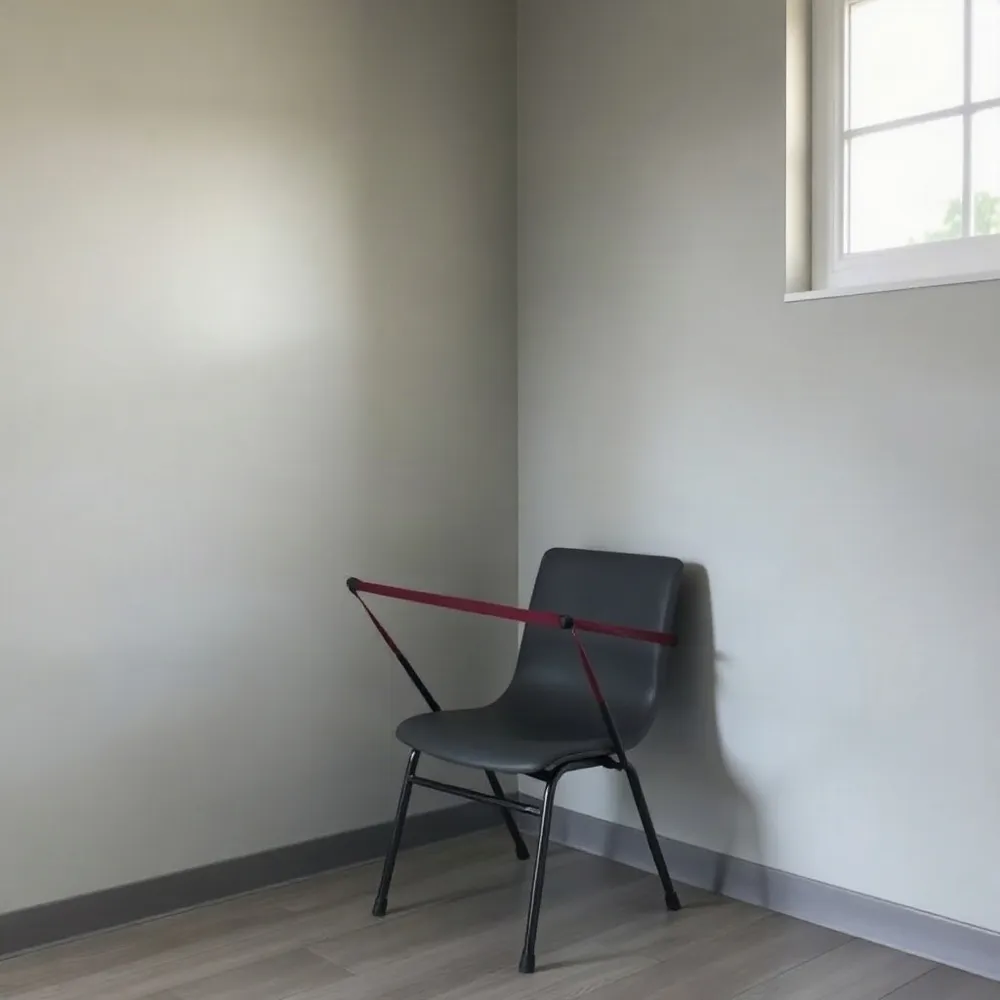 If you would like to add strengthening, begin with movements that feel manageable rather than trying a full routine at once. Lifespring Pain Management Center focuses on accurate diagnosis and tailored, non-surgical care, which can help people with persistent pain discuss activity choices in the context of their symptoms.
A few simple options are tightening your thigh while lying down, gently straightening the knee while seated, or practising standing up from and returning to a sturdy chair. For sit-to-stands, keep both feet planted and move slowly. Use the chair’s armrests for support, or raise the seat with a firm cushion if standing feels difficult.
For a straight-leg raise, lie on your back with one knee bent and the other leg straight. Tighten the thigh of the straight leg, lift it gently, then lower it with control. Stop short of any movement that causes sharp or worsening pain. These are examples, not a personal prescription; a clinician can help you choose suitable exercises.
Start with just one or two movements and a few repetitions. Add repetitions gradually as the exercises become easier, rather than pushing through discomfort. A slight early increase in symptoms can happen, but regular practice should make the movements feel more manageable. NHS Inform advises adding activity in small steps and modifying an exercise by slowing down, reducing repetitions, or resting longer if pain rises.
If pain continues to worsen, new pain develops, or you are unsure where to begin, pause and ask a healthcare professional for guidance. The NHS Inform knee osteoarthritis exercise guidance describes gradual strengthening options and when to seek advice.
Adjust Movements That Aggravate Symptoms
There is no universal list of exercises to avoid with knee osteoarthritis, and movement does not automatically damage an arthritic knee. What feels manageable depends on your symptoms, fitness, and how an exercise is performed. If you enjoy running, sports, or strength training, you may be able to adapt them rather than stop altogether.
Repeated running or jumping, sports with sudden pivots, deep squats, lunges, and kneeling can aggravate symptoms for some people. Try lowering the intensity, shortening the movement, or choosing a lower-impact option such as cycling or swimming. The Mayo Clinic’s arthritis exercise guidance recommends gentle, controlled movement and adjusting activity when pain occurs.
Resistance work may need changes, too. Use a lighter load or bend your knee less if a heavier exercise, such as a leg press, feels uncomfortable. A physical therapist or clinician can help you find a comfortable range and check your form. At Lifespring Pain Management Center in Kaysville, board-certified physicians assess pain conditions and offer individualized, non-surgical care, which can help patients discuss movement concerns as part of a broader pain plan.
Stop the activity if you feel sharp or worsening pain, notice swelling, or find that discomfort does not settle after exercise. Do not try to push through these symptoms. NHS Inform’s knee osteoarthritis exercise guidance advises stopping exercises that worsen symptoms or cause new pain and seeking professional advice when needed.
Balance Activity With Rest and Symptom Checks
 For most people with knee osteoarthritis, gentle, regular movement is preferable to avoiding activity altogether. It can help maintain mobility and strengthen muscles that support the joint. If you are inactive or have other medical concerns, check with a healthcare professional before starting a program. At Lifespring Pain Management Center, clinicians begin with an accurate diagnosis and tailor non-surgical care to each person’s condition and goals.
A flare or a day when your knee feels more irritated may call for a short period of rest. As symptoms settle, return to movement gradually, adjusting the duration, pace, or type of activity. NHS guidance recommends starting with a small number of repetitions and progressing as comfortable; if pain rises too much, try fewer repetitions, slower movements, or longer rests. Exercise pain should stay within an acceptable range, and your knee should not feel worse the next morning. NHS Inform’s knee osteoarthritis exercise guidance
Some muscle soreness can occur when you try an unfamiliar movement. Worsening joint pain, sharp pain, or new symptoms are different: stop the activity rather than pushing through. If the problem persists, worsens, or makes daily activities harder, ask a healthcare professional for advice about what to change. Lifespring Pain Management Center’s board-certified physicians assess pain conditions and can discuss individualized, non-surgical options when symptoms need broader evaluation.
Build a Routine You Can Keep
A useful routine does not need to begin with long workouts or a perfect schedule. Start with a small amount of movement that feels manageable, then build gradually as your comfort and strength allow. Guidance from NHS Inform recommends adding activity in steps and adjusting repetitions or pace if symptoms rise.
Exercise should not mean pushing through worsening knee pain. If pain persists, limits daily activities, or changes when you move, ask a healthcare professional or physical therapist which options are appropriate and how to adjust them. At Lifespring Pain Management Center, board-certified physicians focus on accurate diagnosis and personalized, non-surgical care for chronic joint pain.
Choose comfortable activities you can return to regularly, and adapt the plan when symptoms change. A steady, realistic routine is more useful than a demanding one that leaves you discouraged or in more pain.