Why Consider Nonsurgical Knee Pain Relief?
Chronic knee pain affects millions, limiting daily activities and quality of life. The encouraging truth is that surgery is not your only path. Knee osteoarthritis (KOA) alone can cause joint pain, muscle weakness, and reduced mobility, but many effective nonsurgical options exist. Lifespring Pain Management Center in Kaysville, Utah, offers personalized, non‑invasive treatments to help you find relief and restore function. This article covers causes, natural remedies, safe exercises, and advanced medical treatments — all designed to help you move forward without the operating room.
Understanding Your Knee Pain and What to Avoid
 For many adults in Utah, the idea of knee surgery feels like a last resort. The good news is that a growing body of evidence supports effective non-surgical approaches. Current guidelines, such as those summarized in a 2023 PMC review on managing knee osteoarthritis, emphasize that treatments like exercise, weight management, and certain injections can significantly reduce pain and improve function without an operating room.
Why Start with Non-Surgical Care?
Starting with conservative care is often the safest first step. As Penn Medicine explains, non-surgical treatments can help you avoid the risks, downtime, and costs associated with surgery. These approaches aim to reduce inflammation, strengthen the muscles that support your knee, and restore your mobility, so you can get back to the activities you enjoy.
Many people worry that avoiding surgery means living with pain. But a personalized plan that combines several therapies often provides meaningful relief. For example, a study highlighted by the Society of Interventional Radiology found that a non-surgical treatment quickly reduced arthritis knee pain and improved function in many patients.
Common Non-Surgical Treatment Options
The right approach depends on the specific cause of your knee pain. Here are some of the most effective non-surgical options used by pain specialists:
Physical Therapy. A structured program of exercises to strengthen the quadriceps and hamstrings, improve flexibility, and support the knee joint. This is often the first-line recommendation for osteoarthritis.
Weight Management. Losing even a small amount of weight can significantly reduce the load on your knee joints, easing pain and slowing further wear and tear.
Medications. Over-the-counter anti-inflammatories or prescription oral medications can help manage pain and reduce inflammation. Topical creams and gels are another option for localized relief.
Injections. Corticosteroid injections can reduce inflammation quickly. Hyaluronic acid injections, also known as viscosupplementation, help lubricate the joint and act as a shock absorber. As Memorial Hermann describes, these minimally invasive injections can provide significant, though not permanent, relief.
Regenerative Therapies. Platelet-rich plasma (PRP) therapy uses your own blood's growth factors to help heal damaged tissue. This is offered at Lifespring Pain Management Center and has gained attention as a way to promote natural healing.
Bracing and Supports. Using a knee brace or sleeve can provide stability, reduce pain, and improve your confidence during daily activities.
At Lifespring Pain Management Center, we understand that every knee is different. Our board-certified physicians begin with an accurate diagnosis to identify the exact source of your pain, whether it's osteoarthritis, a meniscal tear, or a nerve issue. Then, we build a personalized, multimodal treatment plan that may combine several of these therapies to help you find relief without surgery.
When Surgery Isn't the Only Answer
Many people assume that if they see an orthopedic surgeon, surgery is inevitable. But that's not the case. As the American Academy of Orthopaedic Surgeons notes, there are many ways to relieve knee pain without surgery. Similarly, Mayo Clinic Health System outlines several alternatives to knee replacement that can be tried first.
While some clinics focus solely on surgical consultation, Lifespring Pain Management Center is dedicated to providing non-surgical, evidence-based care. We focus on the least invasive treatments first, reserving more advanced interventions like spinal cord stimulation for cases where other options haven't provided enough relief. This patient-first approach means you'll never be pushed toward the operating room if a targeted injection or therapy could be your answer.
How Lifespring Compares to Other Non-Surgical Clinics
You have several options for non-surgical knee pain care, and it's helpful to know how they differ. Some clinics, like the TRIA blog, offer a list of general alternatives, but may not provide the full range of injection and regenerative therapies. Others, like Lifespring Pain Management Center, specialize in a comprehensive, multimodal approach.
Here’s a closer look at how Lifespring’s approach compares to a few common options:
| Clinic/Approach | Specialization | Key Differentiators |
|---|---|---|
| TRIA (HealthPartners) | Sports medicine & orthopedics | Offers alternatives to surgery, but may focus on surgical referral; less focus on chronic pain management. |
| General Orthopedic Clinics | Surgical consultation | Often prioritize surgical options; may not offer comprehensive non-surgical programs. |
| Lifespring Pain Management Center | Non-surgical pain relief | Specializes in multimodal, non-surgical treatments; uses FDA-approved therapies; emphasizes accurate diagnosis and compassionate care. |
The table above illustrates a key point: Lifespring Pain Management Center is built around the philosophy of relieving pain without surgery. We offer a full spectrum of treatments, from nerve blocks and epidural injections to radiofrequency ablation and Botox for chronic migraines. Our goal is to restore your mobility, hope, and dignity, so you can live life on your terms.
Natural Remedies and Lifestyle Changes to Ease Knee Pain
When knee pain persists despite rest, ice, and over-the-counter medication, surgery may feel like the only path forward. For many adults, though, the answer lies in conservative care that targets the root cause without the risks, downtime, or cost of an operation. Understanding the full range of nonsurgical options available is the first step toward relief that fits your lifestyle and goals.
Physical Therapy and Strengthening
A structured physical therapy program is one of the most effective first-line treatments for knee osteoarthritis and other chronic knee conditions. Targeted exercises strengthen the muscles around the knee, improve flexibility, and reduce the load on the joint. According to the National Institutes of Health, exercise therapy is a cornerstone of nonsurgical knee osteoarthritis management, helping many patients achieve meaningful pain reduction without surgery.
A physical therapist can design a program specific to your pain pattern, whether that involves quadriceps strengthening, hamstring stretches, or low-impact aerobic conditioning. Many patients notice gradual but steady improvement over several weeks, making this a safe starting point for most people.
Weight Management and Lifestyle Modifications
Excess body weight places significant stress on weight-bearing joints, especially the knees. The Mayo Clinic notes that even modest weight loss can substantially reduce knee pain and improve function in people with arthritis. Combined with activity modification and joint-friendly exercises like swimming or cycling, weight management can slow the progression of joint damage and delay or eliminate the need for surgery.
Oral and Topical Medications
For mild to moderate pain, over-the-counter nonsteroidal anti-inflammatory drugs (NSAIDs) such as ibuprofen or naproxen can reduce both pain and inflammation. Topical creams and gels containing NSAIDs or capsaicin offer a localized alternative with fewer systemic side effects. A review in the Journal of Clinical Medicine highlights that topical NSAIDs are as effective as oral versions for many people, with a lower risk of gastrointestinal issues — a valuable option for those who cannot tolerate oral medications.
Corticosteroid Injections
When oral medications are not enough, corticosteroid injections deliver powerful anti-inflammatory medication directly into the joint. These injections can provide fast, temporary relief from a flare-up, often within a few days. However, as the Hospital for Special Surgery notes, the effects are usually short-lived, and repeated use may accelerate cartilage damage over time. They are best used sparingly and as part of a broader treatment plan.
Viscosupplementation
Viscosupplementation, sometimes called a hyaluronic acid injection, involves injecting a thick, gel-like substance into the knee joint to restore lubrication and cushioning. This therapy can improve mobility and reduce pain for several months in people with knee osteoarthritis. The American Academy of Orthopaedic Surgeons notes that while results vary, many patients experience meaningful relief without needing surgery.
Platelet-Rich Plasma (PRP) Therapy
PRP therapy uses your own blood to concentrate platelets and growth factors, which are then injected into the knee to promote natural healing of damaged tissues. This regenerative approach has gained popularity as a nonsurgical way to address tendon and ligament injuries, as well as early arthritis. While research is still evolving, the Mayo Clinic suggests that PRP may help reduce pain and improve function in some patients, particularly those with mild to moderate degeneration.
Radiofrequency Ablation (RFA)
For knee pain originating from nerves, radiofrequency ablation uses heat to temporarily disable the small nerves responsible for transmitting pain signals. This minimally invasive procedure can provide pain relief lasting from six months to over a year, offering a significant break from chronic discomfort. The Society of Interventional Radiology reports that RFA can reduce knee pain and improve function in patients with arthritis who have not responded to more conservative treatments.
Bracing and Assistive Devices
Knee braces, sleeves, and shoe inserts can provide support, improve alignment, and reduce pressure on the affected part of the joint. An unloader brace, for example, can shift weight away from a worn inner or outer compartment, providing relief during daily activities. These devices are often used alongside other treatments to maximize comfort and function.
A Personalized Approach to Nonsurgical Care
No single treatment works for everyone, and the best plan often combines several approaches. At Lifespring Pain Management Center in Kaysville, Utah, we focus on accurate diagnosis and personalized, multimodal care that avoids invasive surgery and reduces reliance on medication. Whether you're considering physical therapy, injections, or regenerative medicine, we work with you to design a plan that addresses your specific pain pattern and goals. If you're ready to explore nonsurgical options, our team is here to guide you every step of the way.
Safe Exercises and Physical Therapy for Knee Health
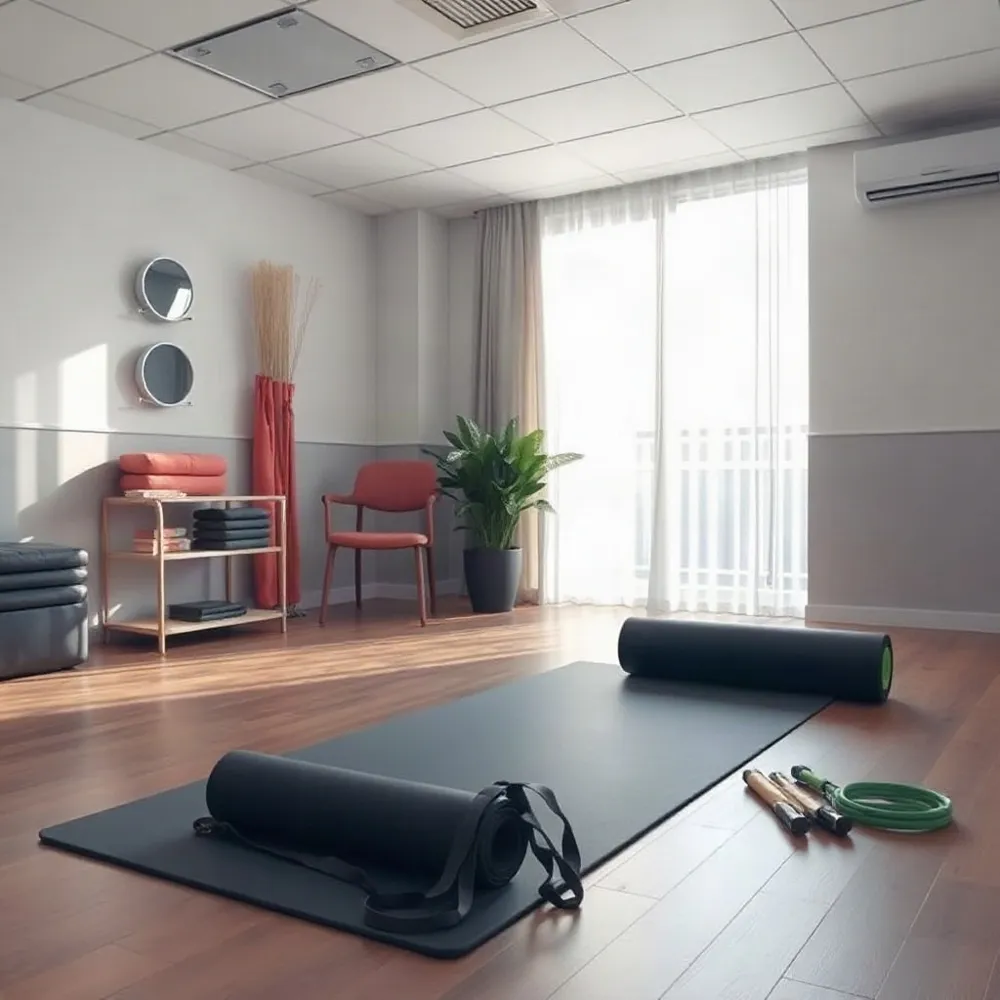 When knee pain makes daily activities feel overwhelming, the idea of exercise can seem counterintuitive. Yet targeted movement is one of the most effective ways to reduce stiffness, strengthen supporting muscles, and ease pressure on the joint. The goal isn't to push through pain but to move in ways that promote healing without aggravating the underlying condition.
Before starting any routine, it's important to understand that not all exercises are safe for every type of knee problem. For example, high-impact activities like running or jumping can worsen conditions such as osteoarthritis or meniscal tears. Instead, focus on low-impact options that improve mobility and build strength gradually. The American Academy of Orthopaedic Surgeons notes that proper form and controlled movements are essential to avoid further injury.
Range-of-Motion Exercises to Improve Flexibility
Range-of-motion exercises help maintain or restore normal joint movement. These are often the first step in a rehabilitation program because they keep the knee flexible without placing excessive load on it. Simple movements like heel slides, where you slowly bend and straighten your knee while lying down, can be performed daily to reduce stiffness.
Another gentle option is the straight-leg raise. Lying on your back with one leg bent and the other extended, you tighten the thigh muscle and lift the straight leg a few inches off the floor. Hold for a few seconds, then lower slowly. This exercise strengthens the quadriceps without bending the knee, making it ideal for early recovery or when weight-bearing is painful.
Strengthening Exercises for Joint Support
Strong muscles around the knee, particularly the quadriceps and hamstrings, act as shock absorbers and reduce the load on the joint. A well-supported knee is less likely to experience pain during everyday movements like walking or climbing stairs. Exercises such as wall sits, step-ups, and calf raises can be modified to match your fitness level.
For example, wall sits involve sliding your back down a wall until your thighs are parallel to the floor, then holding the position. Start with 10 to 15 seconds and gradually increase as strength improves. Similarly, hamstring curls can be done standing or lying down, focusing on slow, controlled movements to avoid strain. The key is consistency rather than intensity, and stopping immediately if you feel sharp pain.
Balance and Proprioception Training
Balance exercises improve proprioception, which is your body's ability to sense joint position. This is particularly important after a knee injury, as it helps prevent future episodes by teaching your body to react appropriately to uneven surfaces. Simple activities like standing on one leg or using a balance board can be highly effective when done near a wall or chair for support.
Start by holding onto a countertop and gradually progress to no support as your confidence grows. The goal is not perfection but gradual improvement in stability. Over time, this can translate to better coordination during activities like hiking or playing with children, which are common sources of knee strain for many adults.
What to Avoid and When to Stop
While exercise is beneficial, certain movements can do more harm than good. High-impact activities, deep squats, and exercises that involve twisting or pivoting should be avoided, especially if you have arthritis or a recent injury. Additionally, if you experience sharp, shooting pain or swelling that lasts more than a few hours after exercise, it's a sign to dial back and consult a professional.
Listening to your body is crucial. Mild muscle soreness is normal, but pain that worsens during or after exercise indicates you may be overdoing it. If you're unsure about which exercises are right for your specific condition, seeking guidance from a specialist can help you create a personalized plan. At Lifespring Pain Management Center in Kaysville, Utah, the team focuses on non-surgical approaches and can recommend a routine tailored to your needs, ensuring you move safely toward relief.
Remember, the most effective exercise program is one you can maintain consistently. Start slow, stay patient, and celebrate small victories. Over time, these safe movements can significantly improve your knee function and quality of life, helping you stay active without relying on surgery.
| Exercise | Primary Benefit | Key Tip |
|---|---|---|
| Heel Slides | Improves range of motion | Move slowly and breathe |
| Straight-Leg Raise | Strengthens quadriceps | Keep lower back pressed down |
| Wall Sits | Builds thigh strength | Avoid letting knees pass toes |
| Hamstring Curls | Strengthens back of thigh | Use light ankle weights if needed |
| Single-Leg Stance | Enhances balance | Hold onto a wall for support |
Medical Non-Surgical Treatments: Injections, Bracing, and More
Before considering any procedure, it helps to know that most knee pain responds well to treatments that don't involve surgery. Physical therapy, activity modification, and targeted exercise can strengthen the muscles around the joint and reduce the load on damaged cartilage. A structured program guided by a physical therapist is often the first step recommended by specialists, and many people see meaningful improvement without ever booking an operating room.
Weight management plays an outsized role in knee comfort. Every extra pound of body weight adds roughly four pounds of pressure through the knee joint during daily activities. Losing even a modest amount of weight can significantly ease discomfort and slow the progression of arthritis. Pairing weight loss with low-impact aerobic exercise, such as swimming or cycling, keeps the joint moving without the jarring impact of running or jumping.
The Role of Injections and Regenerative Therapies
When conservative measures aren't enough, injection-based treatments often bridge the gap between medication and surgery. Corticosteroid injections deliver powerful anti-inflammatory medicine directly to the joint, providing short-term relief that can help you participate more fully in physical therapy. Hyaluronic acid injections, sometimes called viscosupplementation, aim to restore the joint's natural lubrication and shock absorption, with benefits that can last for months.
Regenerative options like platelet-rich plasma (PRP) therapy take a different approach. PRP concentrates your own blood's growth factors and injects them into the knee to support the body's natural healing response. While research is still evolving, many patients report reduced pain and improved function. A 2023 review in the PMC journal summarized that non-surgical management, including exercise, weight loss, and injections, remains the cornerstone of knee osteoarthritis care before any surgical consultation is considered.
Minimally Invasive Procedures Beyond Injections
For people whose pain stems from nerve signals rather than just joint damage, radiofrequency ablation (RFA) offers a longer-lasting option. RFA uses heat to temporarily interrupt the nerves carrying pain signals from the knee, providing relief that can last six to twelve months. This outpatient procedure has a quick recovery and doesn't require general anesthesia, making it a practical choice for many adults who want to avoid the downtime of surgery.
Another option is genicular nerve blocks, which numb the specific nerves around the knee. These blocks serve both diagnostic and therapeutic purposes: if a temporary block relieves your pain, RFA is likely to be effective. Nonsurgical treatments for knee pain at leading academic centers routinely include these nerve-targeting approaches as part of a stepwise plan.
Finding the Right Non-Surgical Path for You
The right nonsurgical approach depends on the precise source of your knee pain. Imaging such as X-ray or MRI helps identify whether your problem is cartilage wear, ligament strain, or nerve irritation. A thorough evaluation ensures you're not chasing a treatment for the wrong diagnosis. For example, pain that radiates from the hip or lower back can sometimes be mistaken for knee arthritis, and addressing the root cause may resolve the pain entirely.
Many people find that a combination of treatments works best: physical therapy to build strength, an injection to calm acute inflammation, and lifestyle changes to reduce long-term stress on the joint. Alternatives to knee replacement surgery emphasize that even moderate arthritis can be managed without going under the knife. The key is starting early and staying consistent with your plan.
What to Expect From a Non-Surgical Program
A well-designed nonsurgical program is not a one-size-fits-all prescription. Your provider should take time to understand your activity level, your pain triggers, and your goals. The focus is on accurate diagnosis and a personalized, heart-centered approach that avoids invasive surgery and reduces reliance on medication. Patients from Kaysville, Ogden, Layton, Farmington, Roy, and Salt Lake City come for spinal cord stimulation, epidural and nerve block injections, PRP therapy, radiofrequency ablation, and Botox for chronic migraines.
Whether you're exploring non-surgical options for the first time or have tried treatments elsewhere without lasting relief, a thorough consultation can clarify your path forward. The goal is to restore mobility, hope, and dignity, not just mask the pain temporarily. With the right plan, many people avoid knee replacement surgery entirely and return to the activities they love.
Fast Relief and Long-Term Solutions at Lifespring
 For adults in Utah dealing with persistent knee discomfort, the idea of surgery can feel overwhelming. Many want to know if there is a way to find relief without going under the knife. The good news is that a wide range of non-surgical options exist, from physical therapy and lifestyle changes to minimally invasive injections. Before choosing a path, it helps to understand what these treatments involve and how they compare. As you explore these options, keep in mind that Lifespring Pain Management Center offers personalized, non-surgical approaches designed to address the root cause of your pain.
Common Non-Surgical Treatments for Knee Pain
Non-surgical treatments are often the first line of defense against knee pain. According to the Penn Medicine, options like physical therapy, bracing, and activity modification can significantly reduce discomfort and improve function without surgery. These approaches focus on strengthening the muscles around the knee, improving flexibility, and reducing stress on the joint. For many patients, this conservative path provides meaningful relief, especially when started early.
Another popular category involves injections and minimally invasive procedures. Corticosteroid injections, hyaluronic acid (viscosupplementation), and platelet-rich plasma (PRP) therapy are commonly used to reduce inflammation and promote healing. A review in the PMC highlights that these therapies can be effective for managing knee osteoarthritis symptoms, particularly in the early to moderate stages. At Lifespring Pain Management Center, we offer several of these injection-based treatments, including platelet-rich plasma therapy and nerve block injections, tailored to each patient's specific condition.
What to Look for in a Non-Surgical Provider
When choosing a non-surgical treatment provider, consider their approach to diagnosis and their range of services. A clinic that offers a variety of minimally invasive options, from radiofrequency ablation to nerve blocks, can adapt the treatment plan to your unique needs. Lifespring Pain Management Center stands out by combining board-certified physicians, FDA-approved therapies, and a heart-centered, compassionate approach. We focus on accurate diagnosis and personalized care to help you restore mobility, hope, and dignity without invasive surgery.
Your Path to Pain-Free Living Starts Today
Knee pain is one of the most common reasons adults seek medical care, yet many assume surgery is the only lasting answer. The truth is that most knee problems, from arthritis to meniscus irritation, respond well to nonsurgical treatments. At Lifespring Pain Management Center, we help adults in Kaysville, Ogden, Layton, and across northern Utah find meaningful relief without going under the knife, using a heart-centered approach that treats the whole person, not just the joint.
Nonsurgical care offers distinct advantages. It avoids the risks of anesthesia and infection, shortens recovery time, and allows you to return to daily activities sooner. According to Penn Medicine, nonsurgical treatments can effectively manage pain for many conditions that once seemed to require surgery. For those with osteoarthritis, a 2023 review in PMC highlights that current nonsurgical management including exercise and weight management can improve function and reduce pain, delaying or avoiding the need for joint replacement.
What Nonsurgical Knee Treatment Involves
Nonsurgical treatment isn't one-size-fits-all. It's a personalized plan that may combine physical therapy, injections, bracing, and lifestyle changes. Options like steroid injections, viscosupplementation, and platelet-rich plasma (PRP) therapy can reduce inflammation and promote healing. The Hospital for Special Surgery notes that non-surgical options range from simple measures like ice and heat to advanced injections, depending on the cause and severity of your pain.
A key benefit is the emphasis on accurate diagnosis. Many knee problems are misattributed to wear and tear when muscle imbalances or nerve pain are the real culprits. Lifespring's board-certified physicians use thorough evaluations to pinpoint the source of your pain, so treatment targets the actual problem, not just the symptoms.
Avoiding Surgery. For many, delaying or avoiding knee replacement preserves natural joint function. A study from Memorial Hermann explains that minimally invasive treatments can quickly reduce arthritis pain and improve function, often within days, letting you get back to life faster.
Fewer Risks. Surgery carries inherent risks, including infection, blood clots, and anesthesia complications. Nonsurgical methods carry far fewer risks, and side effects are typically limited to temporary soreness at injection sites, making them safer for older adults or those with other health conditions.
Why Patients Choose Lifespring
What sets Lifespring Pain Management Center apart is the combination of advanced, FDA-approved therapies and a compassionate, patient-first philosophy. Unlike a traditional surgeon's office where the answer may default to a scalpel, Lifespring explores every viable nonsurgical avenue first. For example, we offer platelet-rich plasma therapy and radiofrequency ablation, which can provide lasting relief without the recovery time of surgery.
Many patients arrive after trying physical therapy or medications without success, or after being told their only option is knee replacement. They find at Lifespring a team that listens, explains options in plain language, and builds a treatment plan that fits their life. Whether it's managing chronic migraines or knee arthritis, the goal is always the same: restore mobility, reduce pain, and improve your quality of life—without the hospital stay.