
Finding the Right Path After Your Crash
The shock of a car accident can mask injuries for hours or days, as adrenaline and endorphins delay pain signals. What feels minor at the scene can later become persistent discomfort, making it essential to seek timely, compassionate care.
Healing without major surgery is possible. From simple self-care to advanced interventional procedures like nerve blocks and spinal cord stimulation, Lifespring Pain Management Center in Kaysville offers a clear path forward with a heart-centered, expert team focused on restoring your mobility and quality of life.
Utah Car Accident Recovery Facts
- Pain from whiplash and soft tissue injuries often does not surface for 24 to 48 hours after a car accident.
- The best first step after any crash is immediate medical evaluation; adrenaline can mask hidden injuries like nerve damage or internal trauma.
- Utah operates under a no-fault insurance system; your own PIP coverage pays initial medical costs regardless of who caused the accident.
- You can sue the at-fault driver in Utah only if your injury meets a serious injury threshold: permanent disfigurement, bone fracture, or significant/ permanent loss of a bodily function.
- The statute of limitations for a personal injury lawsuit in Utah is four years from the accident date; wrongful death claims must be filed within two years.
- Average car-accident settlement ranges in Utah: $10k–$30k for minor whiplash, $25k–$150k for herniated discs, and $150k–$1M+ for catastrophic injuries.
- Radiofrequency ablation can provide long-lasting nerve pain relief after whiplash lasting up to two years and can be repeated if needed.
- Spinal cord stimulation requires a 7-day trial; if it reduces pain by at least 50%, a minimally invasive permanent device may be placed.
- Botox injections are an FDA-approved treatment for chronic migraines that can develop after head trauma from a car accident.
- Fibromyalgia triggered or worsened by a car crash can be compensated in Utah, with documented settlements such as a $300,000 case.
1. At-Home Self-Care to Start the Healing Process
 After a car accident, the first hours and days are often the most confusing. Adrenaline may mask the full extent of your injuries, and pain can take 24 to 48 hours to surface — especially with conditions like whiplash. Starting with the right at-home self-care can make a significant difference in how your body recovers.
Rest as the Foundation of Recovery
Your body directs energy toward healing when you rest. In the first few days after a crash, prioritize sleep and avoid strenuous activity. Rest does not mean complete stillness — gentle movement within a pain-free range is helpful — but heavy lifting, twisting, or high-impact activities should wait until you are cleared by a professional.
Ice and Heat: A Two-Phase Approach
During the first 48 hours, apply ice packs to sore or swollen areas for 15 to 20 minutes several times a day. Ice reduces inflammation and numbs acute pain. After the initial swelling subsides, switch to heat therapy — a warm towel, heating pad, or warm bath — to improve blood flow and relax tight, tense muscles. Many people find alternating ice and heat offers the most balanced relief.
Gentle Movement to Restore Mobility
Gentle stretching can help prevent stiffness and maintain range of motion. Simple neck stretches, shoulder rolls, and chin tucks performed slowly and within a pain-free zone are safe starting points. The goal is not to push through pain, but to signal your muscles and joints that movement is still possible. Over-the-counter NSAIDs such as ibuprofen or naproxen can help manage inflammation and discomfort during this phase, but they should be used according to label directions and not as a substitute for a doctor's guidance.
Massage Therapy for Muscle Tension and Emotional Relief
Professional massage therapy addresses muscle knots and soft tissue tension caused by crash impact. It also helps reduce anxiety and stress that often accompany accident recovery. A licensed therapist can work on sensitive areas without aggravating underlying injuries, improving circulation and promoting relaxation.
When to Seek Professional Help
At-home care is valuable, but it has limits. If pain persists beyond a few days, worsens, or includes symptoms like numbness, tingling, weakness, or persistent headaches, professional evaluation becomes essential. Untreated whiplash or soft tissue injuries can lead to chronic pain, reduced mobility, and long-term complications. Lifespring Pain Management Center offers comprehensive, non-surgical assessments that start with a detailed accident history, imaging review, and a movement-based exam to identify the root cause of pain. Their board-certified physicians create step-by-step treatment plans designed to restore mobility, reduce reliance on medication, and avoid surgery — all while serving patients from Kaysville, Ogden, and surrounding Utah communities.
2. Physical Therapy, Chiropractic Care, and Massage Therapy
For many people, the path to recovery after a car accident starts with hands-on therapies that avoid surgery and reduce reliance on medication. Physical therapy, chiropractic care, and massage therapy each approach healing from a different angle, and when used together, they can address both the physical and emotional effects of a crash.
Physical therapy: rebuilding strength and range of motion
Physical therapy uses customized exercises and stretches to restore strength, flexibility, and range of motion after an injury. A physical therapist can design a program to gradually reintroduce movement without causing further harm, helping to heal sprains, strains, and muscle imbalances that often follow a car accident.
Chiropractic care: realigning the spine and joints
Chiropractors use spinal adjustments and manipulations to realign the body's musculoskeletal structure, which can reduce pain and improve mobility, especially after whiplash or back strain. Chiropractic care addresses misalignments that may not show up on initial scans but can cause ongoing discomfort if left untreated.
Massage therapy: releasing tension and improving circulation
Massage therapy increases blood flow to injured soft tissue, helping to relieve muscle knots and reduce stress and anxiety. A licensed massage therapist can work on specific areas of tension, complementing other treatments and providing relief from the emotional toll of the accident.
These non-invasive therapies are most effective when guided by licensed professionals who understand the specific injuries common after a car accident. At Lifespring Pain Management Center in Kaysville, Utah, board-certified physicians and providers coordinate with physical therapists, chiropractors, and massage therapists to create a personalized, multimodal plan that helps patients from Ogden, Layton, and surrounding areas recover without surgery.
3. Advanced Non-Surgical Procedures: Nerve Blocks and Epidural Injections
When at-home care and physical therapy are not enough to control your pain after a car accident, advanced non-surgical procedures can target the source of your pain directly. These minimally invasive treatments use imaging guidance to deliver medication precisely where it is needed, reducing inflammation and calming irritated nerves.
Epidural steroid injections bathe your swollen spinal nerves in a combination of a numbing agent (lidocaine) and a corticosteroid. The lidocaine provides immediate relief while the steroid works over several days to reduce inflammation, often providing weeks to months of improvement for conditions like herniated discs or spinal stenosis caused by the crash.
Facet joint injections target the small paired joints along the back of your spine. These joints can become inflamed from the sudden force of a collision, leading to localized back or neck pain. Injecting a small amount of anesthetic and steroid into the joint can confirm the source of your pain and provide lasting relief.
Trigger point injections address the sensitive knots in muscle fibers that often form after whiplash or back strain. Using a slender needle, a provider injects lidocaine to calm the trigger point, breaking the cycle of muscle spasm and referred pain.
Selective nerve root blocks deliver medication directly around a single compressed spinal nerve, pinpointing and blocking its pain signal. This procedure not only relieves radiating pain into your arm or leg, but also helps your care team confirm exactly which nerve is causing the problem.
All of these procedures are performed with live X-ray (fluoroscopy) guidance to ensure safety and accuracy. Board-certified physicians use these image-guided techniques for car accident injuries, tailoring each injection to your specific injury pattern to provide relief and restore mobility without surgery.
4. Radiofrequency Ablation for Long-Lasting Nerve Pain Relief
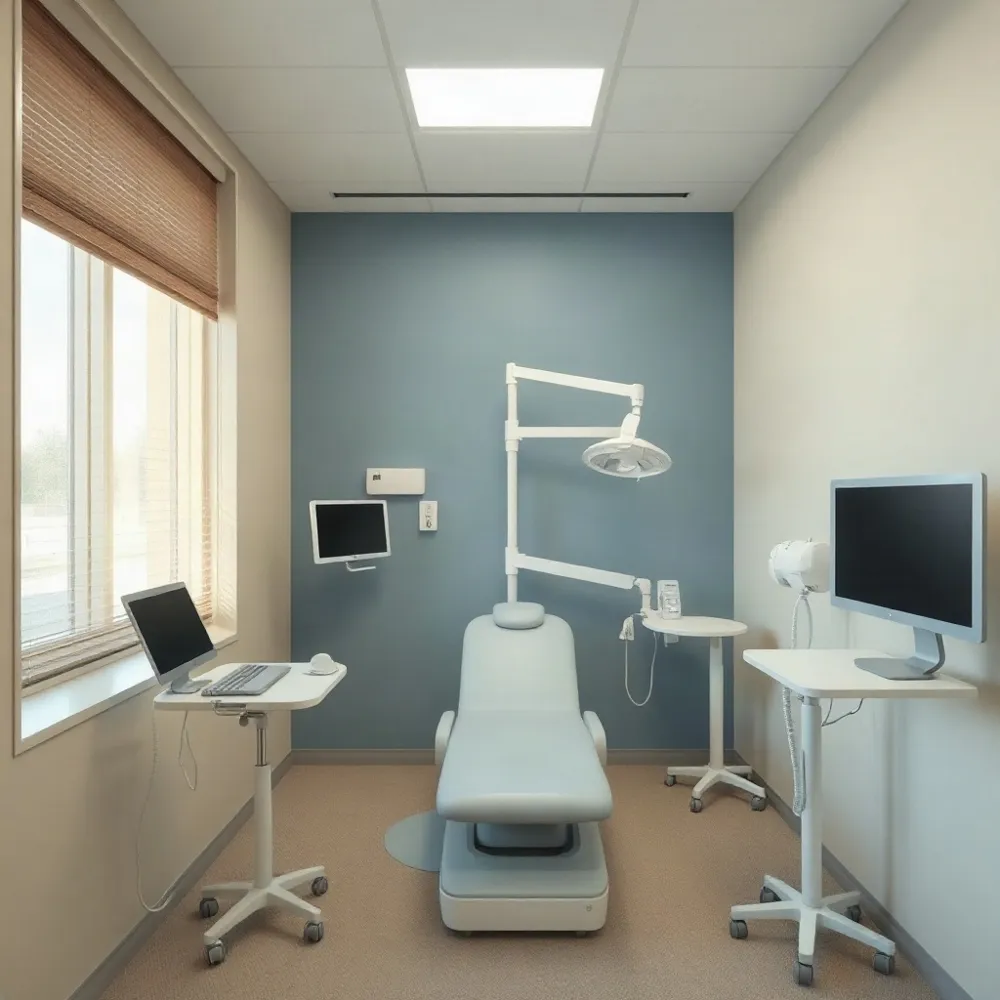 Radiofrequency ablation (RFA) is a minimally invasive procedure that uses radiofrequency energy to gently heat targeted nerve tissue and stop pain signals from reaching the brain. It is a well-established, non-surgical option for people whose pain from a car accident persists despite other treatments.
RFA is particularly effective for persistent neck pain, headaches, and back pain after whiplash. Many patients find it works best when their pain feels noticeably better lying down but worse with lifting, twisting, or bending. The procedure can provide relief that lasts up to two years and can be repeated if needed.
At Lifespring Pain Management Center, board-certified physicians perform RFA as part of a personalized, multimodal care plan. The goal is lasting relief from pain signals that do not respond to rest, physical therapy, or injections, helping patients from Kaysville and surrounding Utah communities return to daily life without surgery.
5. Spinal Cord Stimulation and Regenerative Therapies
When pain persists beyond the initial healing phase, advanced non-surgical options can address the underlying causes without major surgery. Spinal cord stimulation (SCS), platelet-rich plasma (PRP) therapy, and Botox for chronic migraines are three such treatments available at Lifespring Pain Management Center that target different sources of post-accident pain.
Spinal cord stimulation: blocking pain signals at the source
Spinal cord stimulation uses a small implanted device that delivers mild electrical pulses to the spine, interrupting pain signals before they reach the brain. A seven-day trial period allows patients to assess effectiveness before any permanent implantation. If the trial reduces pain by at least 50%, the device is placed minimally invasively, providing a long-term alternative to medication and surgery.
Platelet-rich plasma (PRP) therapy: harnessing your body's natural healing
Platelet-rich plasma therapy uses the patient’s own blood, concentrated with growth factors, and injected into damaged tissues to support repair and reduce inflammation. This regenerative approach avoids the risks of surgery and can be particularly effective for soft tissue injuries, joint pain, and ligament strains common after a car accident.
Botox for chronic migraines after head trauma
For patients who develop chronic migraines following a car accident, Botox injections are an FDA-approved, clinically proven treatment that reduces headache frequency and intensity. The injections calm overactive pain pathways in the head and neck, offering relief without daily medication.
These three therapies are part of the non-surgical care options at Lifespring. They share a common goal: reduce reliance on drugs and avoid invasive surgery while restoring mobility, hope, and quality of life for patients recovering from auto accidents.
Common Pain Types After a Crash
After a car accident, you may experience a range of soft tissue injuries, with neck and back pain from whiplash being the most common. The sudden jerking motion of your head and neck can damage muscles, tendons, and ligaments, causing pain that may take hours or even days to surface. While a broken bone usually causes immediate pain, many common car accident injuries like whiplash or deep bruising can take days to fully surface.
You may also experience headaches after a crash, ranging from mild tension headaches to severe migraines, often resulting from head trauma or muscle strain in your neck. Muscle and joint pain from sprains and strains is also frequent, as is abdominal pain caused by seatbelt injuries or internal trauma. Seatbelt injuries or internal organ damage can lead to abdominal pain after a car accident.
Car accidents can also cause you significant emotional distress, including anxiety, depression, and PTSD. These psychological effects are a normal response to trauma and can amplify physical pain. At Lifespring Pain Management Center, we provide compassionate care that addresses both the physical and emotional toll of an accident, helping you find relief without surgery.
When to See a Doctor for Back Pain
Back pain after a car accident is common, but even mild or delayed discomfort can signal an injury that needs professional attention. The shock of a collision often masks symptoms, and many people assume they are fine because they do not hurt right away. Adrenaline and endorphins can delay pain signals for hours or even days, so it is important to have a medical evaluation after any crash, regardless of how you feel in the moment.
You should see a doctor promptly if your back pain worsens over time, spreads to your legs, or is accompanied by numbness, tingling, or weakness in your legs. Difficulty walking or a loss of bladder or bowel control are red flags that could indicate a herniated disc, nerve compression, or spinal instability. These conditions benefit from early diagnosis and intervention to prevent long-term complications. Delayed symptoms are especially common with whiplash and soft tissue injuries, so do not assume the absence of immediate pain means you are unharmed.
At Lifespring Pain Management Center in Kaysville, Utah, we offer non-surgical treatment for back pain after car accidents. Our board-certified physicians review your accident history and imaging, and perform a movement-based exam to identify the cause of your pain. Whether your injury involves a herniated disc, nerve compression, or spinal instability, we create a plan to help you heal without invasive surgery.
Chronic Pain Syndrome After a Car Accident
If you've been in a car accident, chronic pain syndrome can develop when pain persists beyond the expected healing time of your injury. This can happen when initial injuries are not fully addressed. Common triggers include whiplash, herniated discs, and nerve damage, which can set off a cycle where your nervous system remains in a heightened pain state, turning acute pain into a long-term condition.
Soft tissue injuries, such as strained muscles and ligaments, may also lead to lingering discomfort if the original damage is not fully addressed. Broken bones that technically heal can still result in chronic pain due to altered joint mechanics or scar tissue formation. Because these injuries may not always appear on standard scans, they can be misunderstood, making it essential to seek specialized, compassionate care for accurate diagnosis and lasting relief.
At Lifespring Pain Management Center in Kaysville, Utah, we specialize in identifying the root causes of persistent pain after a car accident. With board-certified physicians and a focus on accurate diagnosis, we provide personalized treatment plans that address both the physical and emotional toll of chronic pain without resorting to surgery.
Best Pain Reliever After a Crash
Over-the-counter medications like ibuprofen or naproxen can help reduce inflammation and pain after a car accident. However, the single most effective step you can take is to seek immediate medical attention. A healthcare provider can accurately diagnose hidden injuries such as whiplash, nerve damage, or internal trauma and recommend the safest, most effective relief for your specific condition.
Healing Your Body and Mind After a Crash
The path to recovery after a car accident involves more than just treating physical pain. A holistic approach that addresses both your body and your emotional well-being can lead to better outcomes and help you return to a full, active life.
Healing your body starts with an accurate diagnosis. Injuries like whiplash, muscle strain, and joint inflammation often do not cause immediate pain, making a professional evaluation essential. At Lifespring Pain Management Center, the first visit includes a detailed accident history, imaging review, and a movement-based exam to identify the specific source of your discomfort. This clear diagnosis forms the foundation of a targeted, non-surgical treatment plan.
From there, a multimodal approach can combine techniques such as spinal manipulation, nerve block injections, or platelet-rich plasma therapy to address both pain and underlying tissue damage. These interventions work together to reduce inflammation, calm irritated nerves, and promote natural healing without the risks of surgery.
At home, gentle heat, staying hydrated, and light movement help reduce stiffness and support your body's natural repair processes. It is important to avoid relying solely on pain medication, which can mask symptoms without addressing the root cause. Working with a compassionate care team that focuses on restoring mobility and quality of life gives you a better path forward.
Mental Recovery After a Car Accident
Mental recovery after a crash varies for each person. Some individuals start feeling better within a few weeks, while others may experience emotional effects for months or longer as they process the trauma. Feelings of anxiety, fear, and sadness are a normal part of healing, and giving yourself time and compassion is essential. If these emotions persist or interfere with daily life, seeking professional support can make a significant difference.
Utah Car Accident Laws and Settlements

Utah's No-Fault Insurance System
Utah operates under a no-fault insurance system. This means that after an accident, your own personal injury protection (PIP) coverage pays for your medical expenses and lost wages, regardless of who caused the crash. You are generally required to file a claim with your own insurer first.
You may step outside the no-fault system and file a claim against the at-fault driver only if your injuries meet a “serious injury” threshold. This includes permanent disfigurement, a bone fracture, or significant and permanent loss of a bodily function. Consulting with an experienced personal injury attorney is important to determine if your injuries qualify and to navigate the claims process.
Statute of Limitations and Reporting Requirements
In Utah, you generally have four years from the date of the accident to file a personal injury lawsuit. If the accident resulted in a wrongful death, the claim must typically be filed within two years of the death. Missing these deadlines can prevent you from recovering any damages, so prompt action is crucial.
If an accident causes injury, death, or property damage of $2,500 or more, you are required to report it to the Utah Department of Public Safety. This legal obligation ensures that all parties have an official record of the incident.
Average Settlement Ranges in Utah
Car accident settlements in Utah vary widely based on injury severity. The overall average falls around $45,000, but typical cases range from $18,000 to $25,000. For minor injuries like whiplash, settlements generally land between $10,000 and $30,000. More serious conditions such as herniated discs or broken bones can range from $25,000 to $150,000.
Severe or catastrophic injuries, including traumatic brain or spinal cord injuries, can result in settlements from $150,000 to well over $1 million due to the high cost of lifetime care and Utah’s lack of caps on compensatory damages. Because Utah is a no-fault state, your PIP coverage pays for initial medical bills, but you may pursue a larger settlement once your expenses exceed the PIP threshold or your injuries are deemed serious.
Can You Get a Settlement for Fibromyalgia After a Car Accident?
Yes, it is possible to receive a settlement for fibromyalgia after a car accident in Utah, especially if the crash triggered or worsened your condition. Fibromyalgia is a recognized chronic pain disorder that can develop following physical trauma. Documented cases exist, such as a $300,000 settlement for a woman whose fibromyalgia was caused by a car crash, that demonstrate this is possible.
To build a strong claim, you will need medical records that clearly link the accident to your fibromyalgia diagnosis, as well as documentation of your ongoing pain, fatigue, and other symptoms. Your PIP coverage pays first, but you may pursue additional compensation from the at-fault driver if your medical costs exceed those limits or your injuries are severe. Working with a personal injury attorney who understands how to prove trauma-induced fibromyalgia can improve your chances of securing a fair settlement.
For personalized guidance on your specific situation, consulting with qualified legal and medical professionals as soon as possible is always recommended.
Moving Forward Without Surgery
Effective non-surgical options exist for every stage of car accident recovery, from at-home self-care to advanced procedures like radiofrequency ablation and spinal cord stimulation.
Do not ignore delayed or lingering pain. Early intervention can prevent a simple injury from becoming a chronic condition. Lifespring Pain Management Center's board-certified physicians provide a heart-centered, team-based approach focused on restoring mobility, hope, and dignity.
Schedule a consultation for a personalized treatment plan designed to avoid surgery and reduce reliance on medication.