When Pain Limits Daily Life
Persistent pain can make ordinary tasks feel harder, from getting dressed and preparing meals to working, sleeping, or taking a walk. It may be constant or come and go, and the same condition can affect people in very different ways. MedlinePlus explains how pain varies and can disrupt daily life.
For adults in Utah, these limits can affect independence as well as comfort. At Lifespring Pain Management Center in Kaysville, board-certified physicians begin with an accurate diagnosis and consider treatment options suited to each person’s condition and goals.
This article looks at nonsurgical approaches that may support movement and daily function, including gradual activity and targeted treatments. A review of non-drug pain care describes these options as possible parts of an individualized plan, alone or alongside other care, rather than a guaranteed cure. The review discusses combined approaches to pain management. The aim is not to promise a pain-free life, but to explore practical ways to work toward greater mobility.
Understanding Pain and Its Possible Sources
 Pain management is a personalized process for understanding what may be causing pain, easing symptoms, and supporting everyday function. A clinician considers your symptoms, health history, and possible causes before discussing options. At Lifespring Pain Management Center in Kaysville, that assessment helps physicians consider nonsurgical treatments such as injections or nerve blocks when appropriate.
Chronic pain lasts longer than three months or continues beyond the expected healing period. It can affect movement, work, sleep, and quality of life, and its pattern and intensity differ from person to person, even when the underlying condition is similar. MedlinePlus explains chronic pain and non-drug approaches, while a 2025 review describes how pain care may combine approaches suited to a person’s needs and goals.
Nerve pain, also called neuropathic pain, can develop when nerves or the nervous system are damaged or do not work as they should. It may feel burning, tingling, numb, stabbing, or electric. Sometimes even light touch is painful. Possible causes include diabetes, shingles, nerve compression or injury, infections, autoimmune or metabolic conditions, and disorders affecting the brain or spinal cord. The cause is not always clear at first, so an evaluation can help guide next steps.
Accurate assessment connects treatment choices to your symptoms and priorities. For adults in Utah, Lifespring’s board-certified physicians tailor care to the individual, with the aim of reducing pain and helping support mobility and quality of life. No single treatment works for everyone, and results vary.
Building a Nonsurgical Plan for Movement
Nonsurgical care is chosen around the likely cause of pain, your health history, and what you want to be able to do. A plan may combine guided movement with procedures such as targeted injections, nerve blocks, or heat-based nerve treatments (radiofrequency ablation). Depending on your condition, treatments like electrical nerve stimulation (spinal cord stimulation) or regenerative injections (platelet-rich plasma) may be worth discussing; Botox is sometimes used for chronic migraines. Each option has different potential benefits and risks, so a clinician’s evaluation matters.
Your clinician will use accurate diagnosis to guide your individualized, nonsurgical care. Available treatments may include injections, heat-based nerve procedures, regenerative injections, and Botox for chronic migraines. These are options to assess against your condition and goals, not a standard package for everyone.
Guided exercise and rehabilitation can help build strength and support everyday function. A 2025 review found exercise may improve pain-related function, mood, fatigue, and sleep compared with no treatment, while noting that results vary by condition and activity (review of non-drug pain interventions). There is no single exercise plan for all chronic pain, and doing too much can worsen symptoms. Begin at a level suited to your abilities and adjust with professional guidance.
Movement is only one part of care. Psychological strategies, including cognitive behavioral therapy (a structured talk therapy), can support coping and daily function. Yoga, tai chi, qigong, mindfulness, acupuncture, and massage may help you, though evidence and effects differ by approach and condition. These strategies can address physical, emotional, and attentional aspects of pain; a tailored combination may be more useful for you than relying on one method alone.
Some approaches require continued practice to maintain benefits. Care can also account for sleep, mood, and daily routines, since pain affects more than movement. Discuss options with a health professional, including likely benefits, risks, alternatives, and whether an approach fits your diagnosis. MedlinePlus also recommends discussing non-drug pain treatments with a health care provider (non-drug pain management guidance).
Considering Targeted Injections
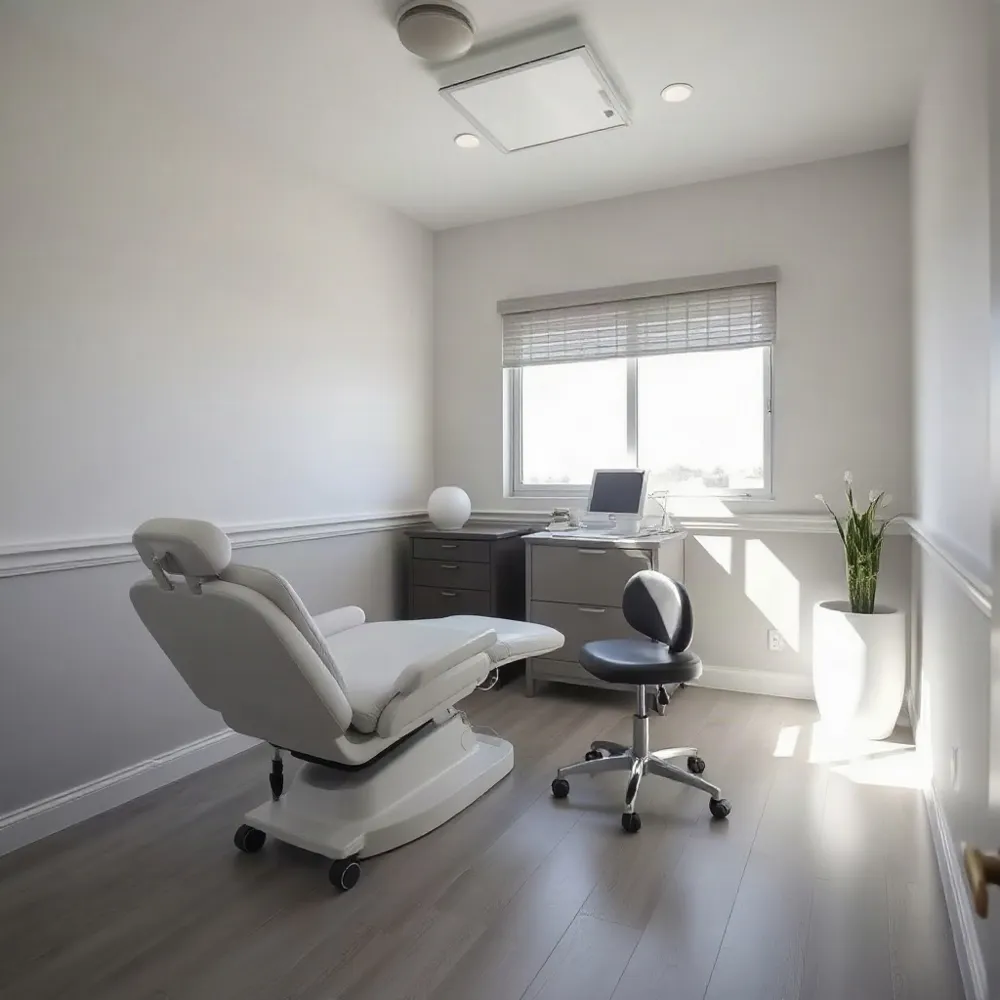 A nerve block or other targeted injection places medication near a specific nerve, group of nerves, or painful area. Depending on the procedure, the medication may interrupt pain signals or reduce inflammation. A diagnostic block may also help a clinician assess whether a particular nerve is contributing to your symptoms. Lifespring Pain Management Center offers nerve blocks and epidural injections as options that its board-certified physicians can consider after evaluating your diagnosis and health history.
Some epidural steroid injections are used when irritated spinal nerves cause pain that travels into an arm or leg. They are not suited to every kind of back pain, and both the amount and duration of relief vary. An injection is best understood as one possible part of a broader care plan, not a guaranteed or stand-alone solution. Discussing non-drug options with a health care provider can help you weigh what may fit your needs, as MedlinePlus explains.
After a back injection, temporary soreness or a brief pain flare can occur. Steroid injections may also cause a temporary headache, flushing, trouble sleeping, or a short-term rise in blood sugar. Less common risks include bleeding, infection, allergic reaction, or irritation or injury to a nearby nerve. Risks depend on the procedure and its location.
Ask your clinician what effects to expect and how to care for yourself afterward. Contact your care team promptly for severe or worsening symptoms, fever, new weakness or numbness, or loss of bladder or bowel control. Lifespring’s approach centers on accurate diagnosis and tailoring treatment to the individual, so ask how an injection would fit with other care options.
When Spinal Cord Stimulation May Be Considered
 Spinal cord stimulation (SCS) uses a small implanted device to send electrical signals near your spinal cord, changing how your nervous system processes pain. It aims to manage pain signals, not repair the underlying cause, and it is considered only for selected patients.
Your specialist may discuss SCS with you if you have persistent nerve-related pain or a combination of pain types that has not improved enough with other treatments. Possible situations include certain ongoing back or leg pain after surgery, a condition called complex regional pain syndrome (CRPS) that causes severe, ongoing pain, or nerve pain caused by diabetes. A careful diagnosis matters because other causes of pain may call for different care. The National Library of Medicine’s overview of non-drug pain management also emphasizes discussing treatment choices with your health care provider.
At Lifespring Pain Management Center in Utah, evaluation begins with identifying the source and type of your pain. A specialist can review your health history, treatments tried, goals, and potential risks, along with practical and psychological factors that may affect your treatment. A temporary trial may help show whether stimulation offers meaningful relief before a permanent device is considered.
For some people with this condition, SCS may reduce pain and support daily function, but it does not cure the condition and results vary. Possible risks include infection, a change in the device’s position, and discomfort around the implant. Lifespring offers spinal cord stimulation as one part of its range of nonsurgical options, with suitability determined through an individual clinical assessment.
Living With a Spinal Cord Stimulator
Daily life after spinal cord stimulator (SCS) implantation varies with the person, procedure, and device. Many people use a handheld controller to adjust stimulation and attend follow-up visits so the care team can check the system or change its settings.
During recovery, follow your clinician’s directions for wound care and temporary activity limits. Walking, work, household tasks, and travel may be possible once you are cleared, but the timing and precautions depend on your recovery and device. Tell medical and imaging teams about the implant before any procedure, especially an MRI, because compatibility varies by system. Keep your device information available and follow your clinician’s guidance.
Possible complications include infection, bleeding, discomfort or irritation at the implant site, and stimulation that feels unpleasant. The wires may shift or break, or the device may malfunction, changing the sensation or reducing pain relief. Addressing a device problem may require another procedure. Some people have little or no lasting relief, so results cannot be guaranteed. Your care team can explain the risks and precautions that apply to you.
Contact your clinician if your pain or stimulation changes, or if you have concerns about the device or implant site. At Lifespring Pain Management Center, spinal cord stimulation is one option within individualized, nonsurgical care. The aim is to support meaningful activity and quality of life, with treatment guided by your diagnosis and response.
For general guidance on living with an SCS, including activity and MRI precautions, see MedlinePlus information on non-drug pain management.
Make Mobility Your Shared Goal
Chronic pain care is personal, and there is no single plan that suits everyone. Talk with a qualified clinician about your symptoms, daily priorities, and concerns so you can weigh which options, if any, fit your health and goals. At Lifespring Pain Management Center, care is shaped around an accurate diagnosis and your individual circumstances.
Progress may mean walking with greater ease, returning to a valued activity, or managing daily tasks with more confidence, even if pain remains. A multifaceted approach to non-drug pain management may support function as well as symptom relief. Ask your clinician what changes would be meaningful and realistic for you.